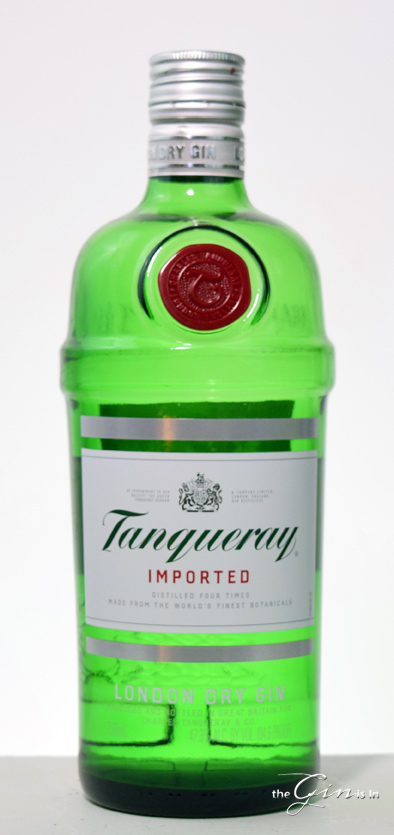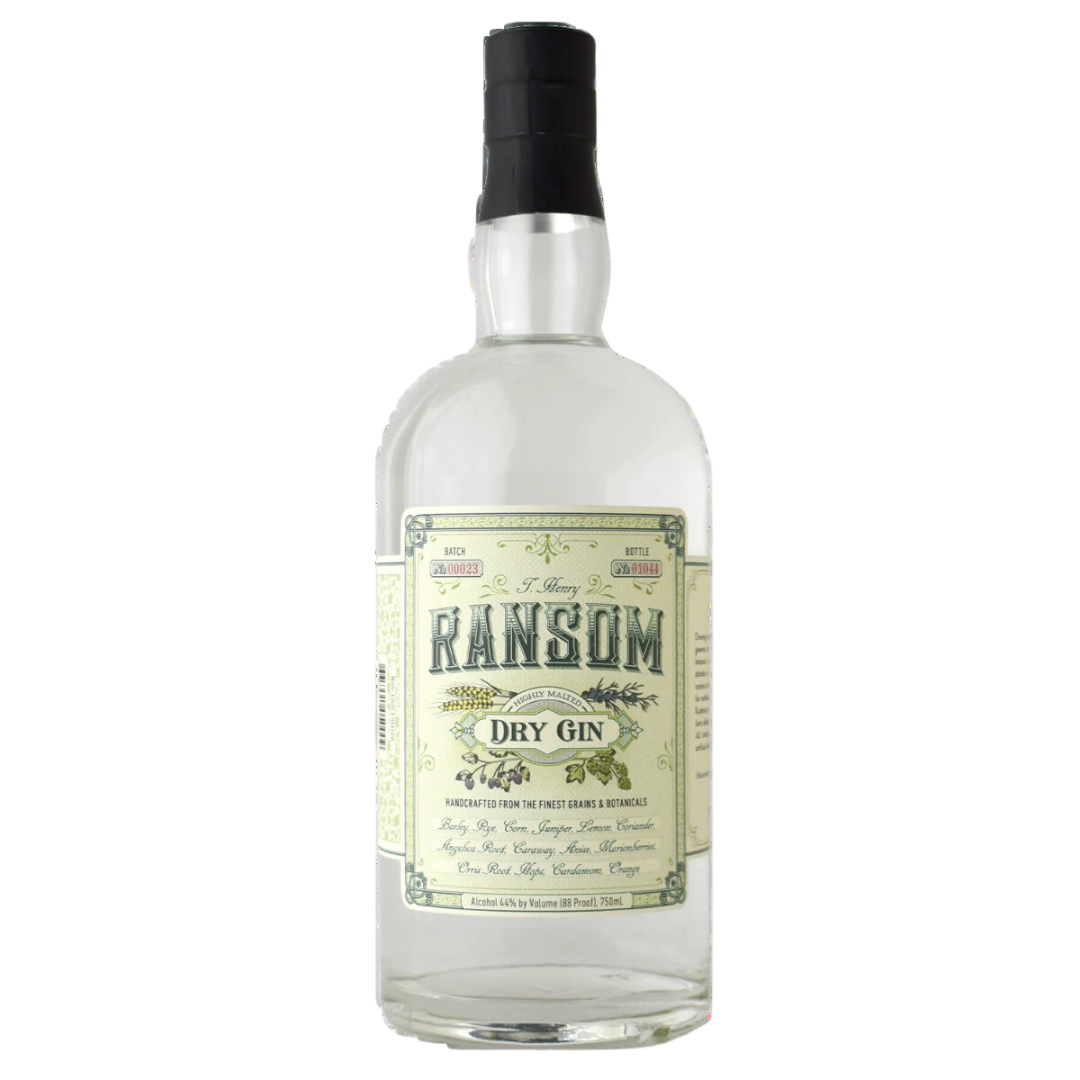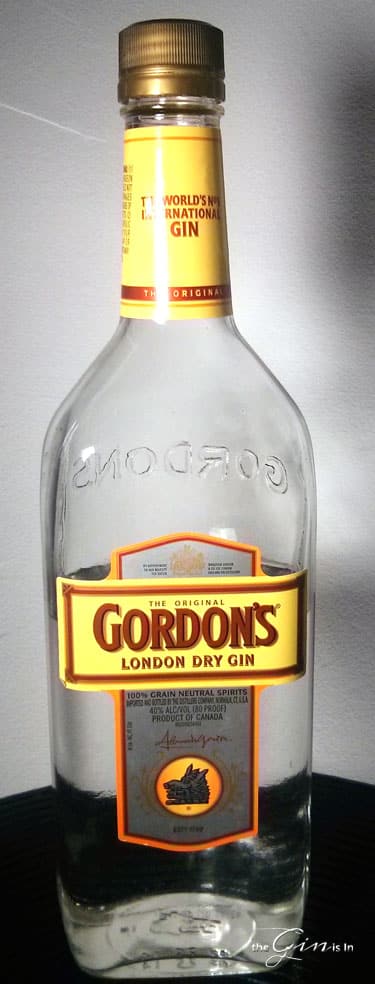
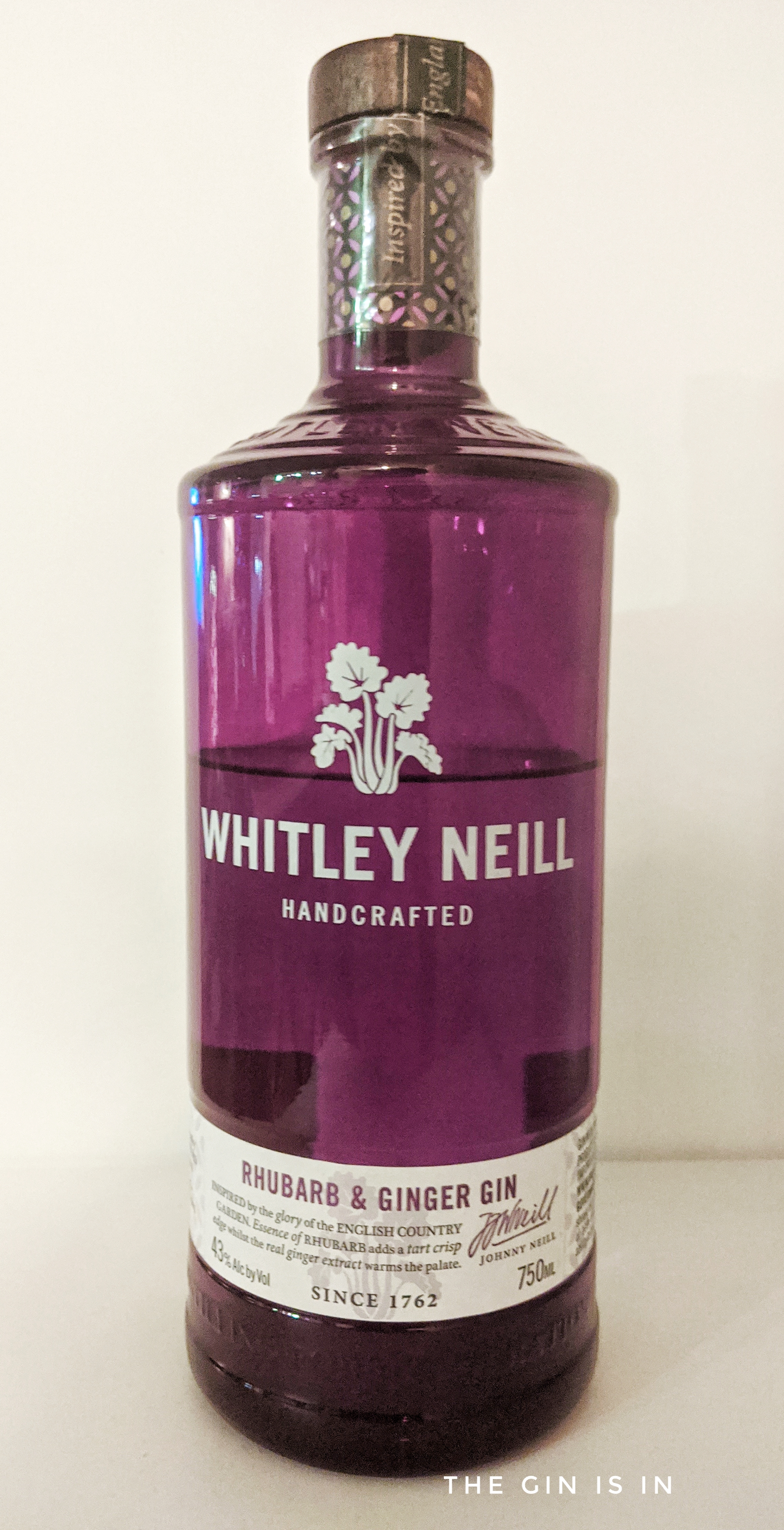

The European Commission has published draft proposals for new labelling requirements that would require flavoured gins to be clearly distinguished from traditional gin on bottle labels and in advertising. If adopted, the regulations could significantly impact how flavoured gin products — currently the fastest-growing segment of the European gin market — are presented to consumers.
What's Being Proposed
Under the draft regulations, products marketed as "gin" would need to meet the existing EU spirit drink regulations, which require juniper to be the predominant flavour. Products where added flavourings (fruit, botanicals added post-distillation, or sweeteners) alter the flavour profile such that juniper is no longer dominant would need to be labelled as "gin-based spirit drink" or "gin liqueur," depending on their sugar content and ABV.
Additionally, the proposals would require front-of-label disclosure of added sugar content above 5g per litre, and would prohibit the use of the word "gin" in isolation on products that do not meet the standard gin classification. Terms like "strawberry gin" would need to become "strawberry gin-based spirit drink" or similar.
Industry Response
The proposals have divided the industry. Traditional gin producers and industry bodies have broadly welcomed the move. "Consumers deserve clarity about what they're buying," said a spokesperson for the Gin Guild, an industry body representing traditional gin producers. "A product that is primarily flavoured with strawberry and sweetened with sugar is fundamentally different from a London Dry gin, and the labelling should reflect that."
However, producers of flavoured gins — many of which have driven the category's recent growth — have pushed back forcefully. "These proposals are protectionist and backward-looking," said the CEO of a major flavoured gin brand who asked not to be named. "Our products are made with real gin as the base, and consumers understand perfectly well what they're buying. Adding bureaucratic labels will confuse, not clarify."
Market Implications
The potential impact on the flavoured gin market is significant. Flavoured gins currently account for approximately twenty-three per cent of gin sales by volume in the EU, according to data from the International Wine and Spirit Record (IWSR). In some markets — notably Spain, the UK (pre-Brexit, now outside the EU's regulatory scope), and Germany — flavoured expressions have been the primary driver of gin category growth.
Analysts at Bernstein estimate that reclassification could reduce flavoured gin sales by eight to twelve per cent in the first year, as consumers adjust to new labelling and some brands face increased costs associated with packaging changes and potential reformulation.
UK Implications
The UK, no longer subject to EU regulation, would not be directly affected. However, UK-based producers who export to the EU would need to comply, potentially requiring different labelling for domestic and EU markets. The UK government has not indicated any plans to introduce similar domestic regulations, though the Food Standards Agency is understood to be monitoring the EU proposals with interest.
The draft regulations are now subject to a sixty-day consultation period, with final adoption expected in late 2026 or early 2027. Implementation would follow a two-year transition period, giving producers time to adjust their labelling and, if necessary, their recipes.
The outcome of this regulatory process will shape the gin industry's direction for years to come. At stake is nothing less than the definition of what can call itself gin — and whether the category's recent growth has been built on innovation or on the blurring of lines that consumers rely on for informed choice.