
In January, the streets of Seville are carpeted with oranges. They fall from the bitter orange trees that line the city's avenues and plazas — Citrus aurantium, the Seville orange — and they rot where they land, too bitter for eating, too abundant for collection. To the city's residents, they're a nuisance. To the gin industry, they're gold.
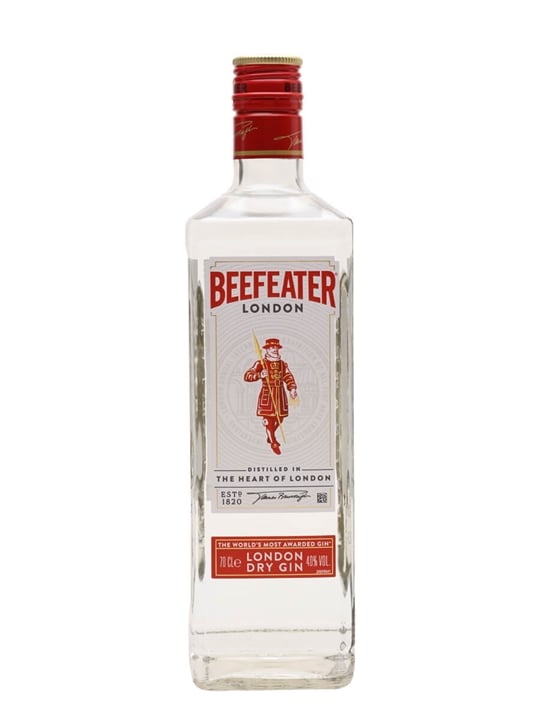
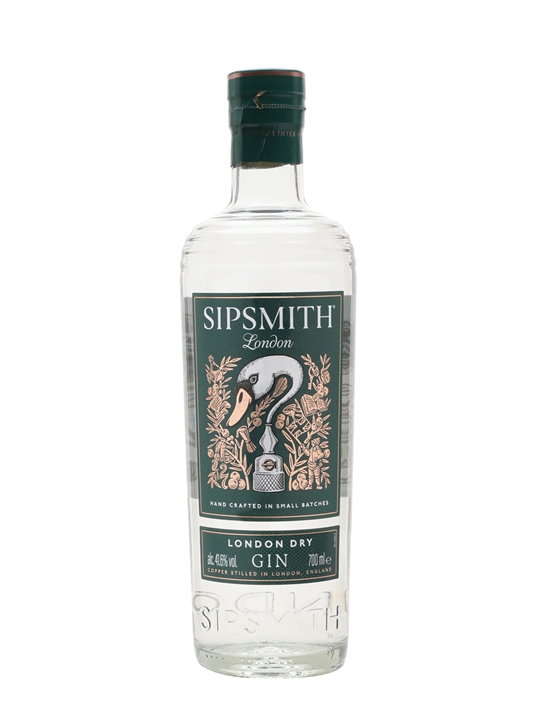
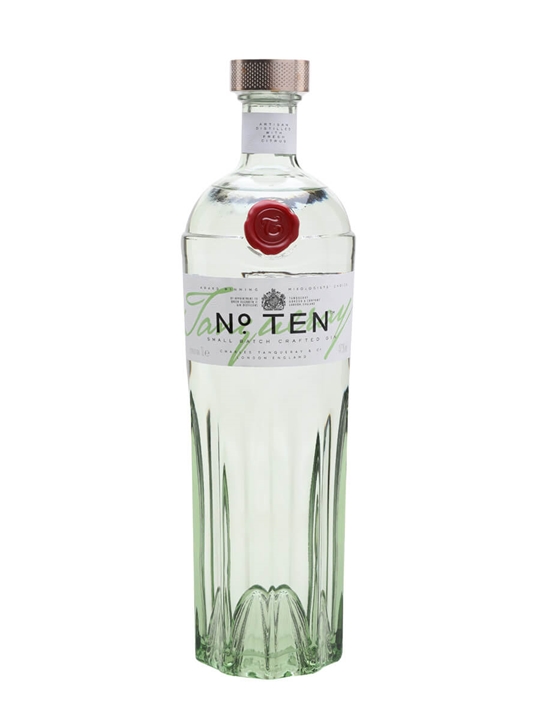
Seville orange peel is one of gin's essential botanicals. Not every gin uses it, but a remarkable number do — including Beefeater, Sipsmith, Tanqueray No. Ten, and dozens of craft distilleries across Scotland and beyond. The peel provides a bitter, marmalade-like citrus character that juniper alone cannot achieve — a brightness that lifts the spirit and prevents it from becoming heavy or one-dimensional.
The Harvest
I arrived in Seville in the second week of January, when the harvest was at its peak. My guide was Antonio Delgado, a third-generation citrus broker whose family has been supplying Seville orange peel to British gin distilleries since the 1960s.
"The British have been buying our oranges for centuries," Antonio told me as we walked through an orange grove on the outskirts of the city. "Marmalade, first. Then gin. The British don't eat them, but they can't seem to live without them."
He's right. The Seville orange's relationship with Britain is ancient — dating back to at least the 17th century, when Scottish merchant James Keiller's wife allegedly invented marmalade from a batch of Seville oranges her husband had bought on a whim. Whether the story is true or not, the trade route it represents — Seville to Britain, bitter oranges to transformed products — has been continuous for centuries.
From Tree to Still
The oranges destined for gin distilleries undergo a specific preparation. The fruit is harvested by hand — machines damage the peel, which is the only part the gin industry wants — and the peel is carefully removed in long spirals, keeping as much of the aromatic outer layer (the zest) as possible while minimising the bitter white pith underneath.
The peels are then dried, either in the Andalusian sun or in low-temperature dehydrators, which concentrates the essential oils that give the peel its intense citrus aroma. A single orange yields perhaps 15 grams of dried peel. A typical gin distillation might use 200-300 grams per batch. The maths tells you how many oranges are needed to keep Britain's gin industry supplied.
Antonio's warehouse on the industrial outskirts of Seville is a remarkable sensory experience. Hundreds of hessian sacks of dried orange peel are stacked from floor to ceiling, and the air is thick with citrus oil — so concentrated that your eyes water and your throat tingles. It smells, quite literally, like a gin distillery before the juniper arrives.
The Journey North
From Antonio's warehouse, the dried peel travels north by road — across Spain, through France, across the Channel, and into the botanical stores of distilleries from London to Speyside. The journey takes about a week, and the timing is critical: distillers want their Seville peel fresh from the new season's harvest, when the oil content is at its peak.
"By March, we've shipped everything," Antonio says. "The distilleries have enough stock to last until next January's harvest. Then we start again."
It's a seasonal rhythm that connects Andalusian agriculture with British spirits production in a way that feels almost medieval — a trade route driven by natural cycles rather than industrial schedules.
Why Seville?
I asked several distillers why they specifically seek out Seville orange peel when sweet orange peel is cheaper and more widely available. The answer was consistent: bitterness.
"Sweet orange peel gives you sweetness and fragrance, but Seville peel gives you complexity," explained one Scottish distiller who asked not to be named. "That bitterness is what creates tension in the gin — it pushes against the juniper's resinous sweetness and the other botanicals' aromatics. Without it, the gin would be one-dimensional."
It's a reminder that in gin distillation, as in cooking, bitterness is not a flaw — it's a tool. Used correctly, it adds depth, balance, and the kind of flavour complexity that keeps you coming back for another sip.
An Ancient Connection
As I left Seville, driving past rows of orange trees heavy with fruit, I thought about the simplicity of the connection between this sun-drenched Andalusian city and a damp distillery in Speyside or Chiswick. A tree grows oranges. A person picks them. The peel is dried and shipped. A distiller adds it to a pot with juniper and grain spirit. And somewhere, months later, someone raises a glass of gin and tonic without the faintest idea that their drink began in a Spanish orange grove in January.
That invisible connection — between grower and drinker, between Mediterranean sun and British glass — is one of gin's quiet miracles. Every bottle contains a journey.