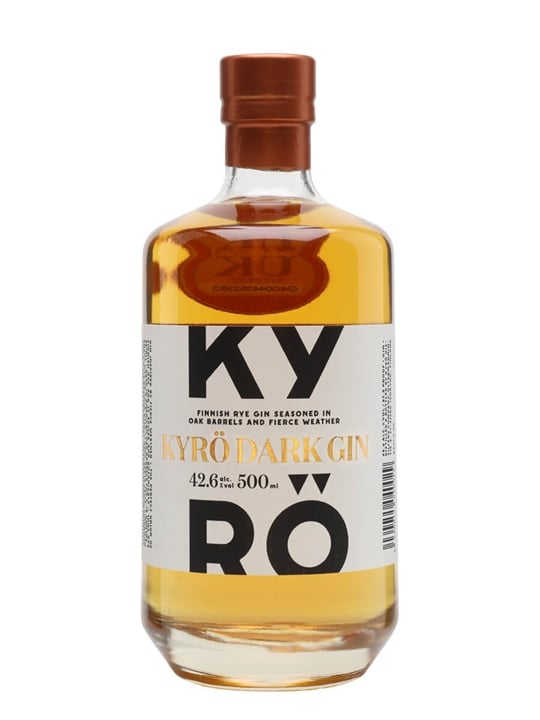

Barrel-aged gins occupy a fascinating corner of the market — they're the category's answer to the whisky drinker who isn't quite ready to commit to a juniper-forward spirit neat. Kyrö Dark Gin sits squarely in that space, and it's a bottle that tells you rather a lot about where the Nordic distilling movement is heading.
The Business Behind the Bottle
Kyrö has built its reputation on rye whisky, which makes their move into barrel-aged gin entirely logical. When a distillery already has casks maturing on site and a deep understanding of wood influence, it would almost be negligent not to experiment. At 42.6% ABV and pitched at £33.95, this lands in accessible territory — not so precious that it sits untouched on a back bar, but priced with enough confidence to signal that the wood ageing isn't merely cosmetic.
Style and Botanical Character
The botanical bill here is unmistakably Nordic. Meadowsweet and cranberry speak to a Scandinavian palate that favours hedgerow sweetness over Mediterranean warmth, while birch adds that clean, slightly resinous backbone that Finnish distillers seem drawn to instinctively. Orange peel provides the necessary citrus bridge — it's the most conventional element in an otherwise quite distinctive lineup, and I suspect it does a good deal of heavy lifting in keeping the spirit approachable after its time in wood.
What interests me most is the interplay between these lighter, almost delicate botanicals and the barrel influence. Barrel-aged gins live or die on balance. Push the wood too far and you've made a mediocre whisky; hold it back too much and the exercise feels pointless. At 42.6%, Kyrö has chosen not to bottle at cask strength, which suggests they're prioritising drinkability over theatre — a commercially sound decision that I rather respect.
Where It Sits
The barrel-aged gin category has grown crowded, with everyone from craft startups to major houses releasing wood-finished expressions. Kyrö's advantage is authenticity: they're not borrowing someone else's casks for a marketing story. The rye heritage lends genuine credibility here. At 7.5 out of 10, this is a well-executed entry that demonstrates real understanding of wood and spirit, though it faces stiff competition from more established barrel-aged expressions that have had longer to refine their approach.
Best served: Over a single large ice cube with a twist of orange peel. This is an after-dinner gin, the sort of thing a good bartender reaches for when someone at the rail says they usually drink bourbon. It also works remarkably well in a Negroni, where the barrel character harmonises with sweet vermouth rather than fighting it.