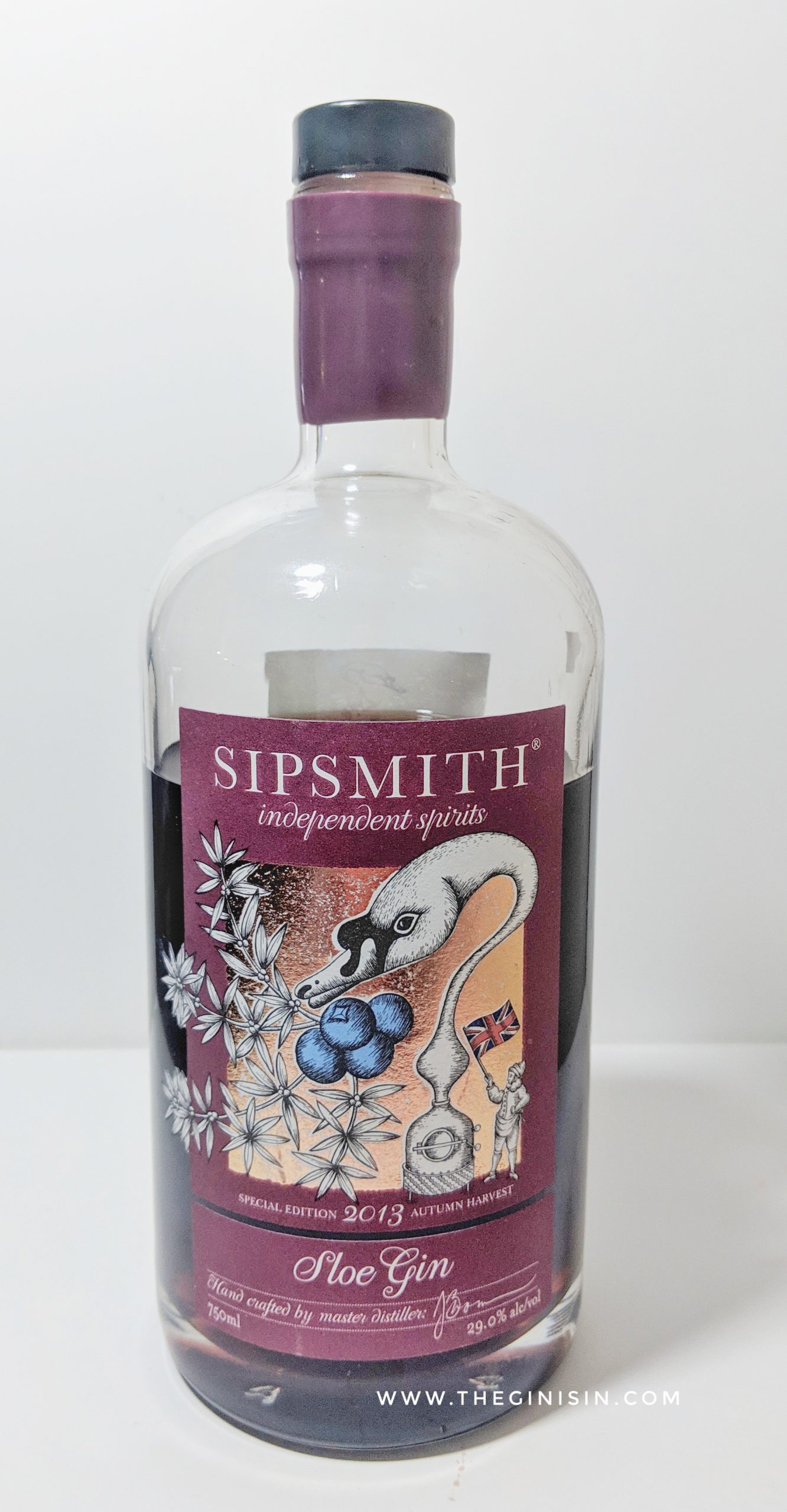

First Impressions
Sloe gin is one of those quintessentially British spirits that most people encounter first as a homemade creation — grandmothers steeping sloe berries in cheap gin with too much sugar, producing something that tastes more like cough syrup than a serious drink. The commercial versions have historically been little better. Sipsmith's entry into the category is a welcome corrective: a properly made sloe gin built on a quality London Dry base, with the restraint to let the sloe berries speak rather than drowning them in sugar.
The deep ruby colour is gorgeous, and the aroma that rises from the glass immediately signals that this is something more considered than the average supermarket sloe gin.
The Distillery
Sipsmith was founded in London in 2009 by Fairfax Hall and Sam Galsworthy, and was the first copper distillery to open in London for nearly 200 years. Their London Dry gin, distilled on a small copper pot still named Prudence, forms the base for this sloe gin. The sloe berries are steeped in the gin for several months, during which they release their rich, tart fruit character along with the subtle almond flavour from their stones.
The key to Sipsmith's approach is sugar restraint. Where many sloe gins use sugar to mask rough berry tannins, Sipsmith uses just enough to balance the natural tartness of the sloes. The result is a sloe gin that retains acidity, structure, and a genuine connection to the base spirit.
Tasting
The nose is inviting and autumnal. Ripe sloe berries dominate — a dark, slightly tart fruit aroma that's somewhere between blackthorn and damson plum. There's a distinct almond nuttiness from the sloe stones that adds depth and complexity, along with a hint of marzipan sweetness. Underneath the fruit, juniper from the base gin makes itself known, providing structure and a reminder that this is, at its heart, a gin product.
On the palate, richness and tartness balance each other well. Sloe fruit leads, concentrated and berry-forward, with a plum jam sweetness that's present but controlled. The almond undertones add a savoury depth that prevents the fruit from becoming one-dimensional. Juniper provides a welcome backbone — you can taste the quality of the base spirit, which distinguishes Sipsmith from sloe gins built on inferior foundations. The acidity is well-calibrated, providing enough tartness to keep the sweetness in check and maintain drinkability.
At 29% ABV, this is lighter than a full-strength gin, which is standard for the sloe category. The lower proof makes it dangerously easy to drink, but there's enough structure here to prevent it from feeling watery or inconsequential. The mouthfeel is viscous and coating — the berry sugars give it a pleasant, slightly syrupy texture.
The finish is medium-long. Sloe tartness persists, accompanied by gentle almond and a dry juniper echo that anchors the whole experience.
How to Drink It
The classic British serve — sloe gin topped with champagne or prosecco (known as a Sloe Royale) — is the definitive way to drink this. The sparkling wine's acidity and effervescence lift the rich berry character beautifully. It's a serve that works at any time of year but feels especially right in autumn and winter.
Neat, slightly chilled, is also excellent — particularly after dinner as a digestif. In cocktails, try it in a Sloe Gin Fizz (sloe gin, lemon juice, sugar syrup, soda water) or as a substitute for Campari in a low-ABV Negroni variation, where the berry tartness provides a surprisingly effective bitter-sweet counterpoint to vermouth.
The Bottom Line
Sipsmith Sloe Gin earns a 7 for quality, balance, and faithfulness to the style. At $35, it's well-priced for a premium sloe gin, and the quality of the base spirit elevates it above most competitors. It loses points because the sloe gin category inherently offers less complexity than a full-strength botanical gin — the flavour profile is narrower by design. But within its category, this is one of the best available. If you're going to have one sloe gin on your shelf, Sipsmith's version makes a strong case for being the one.