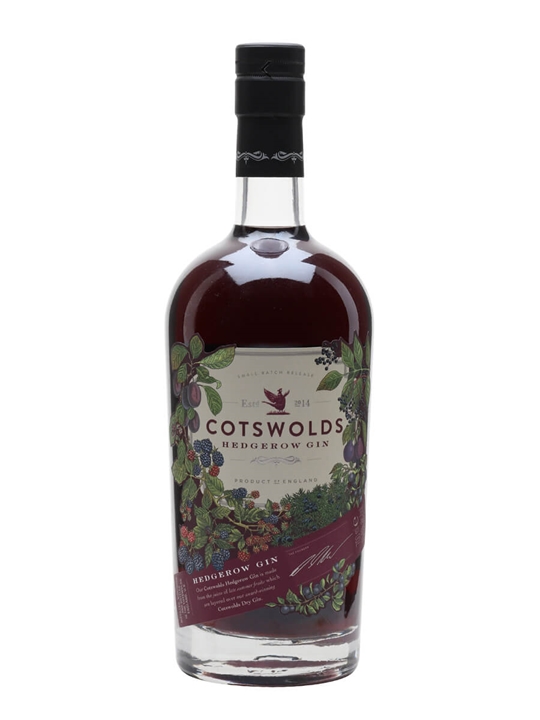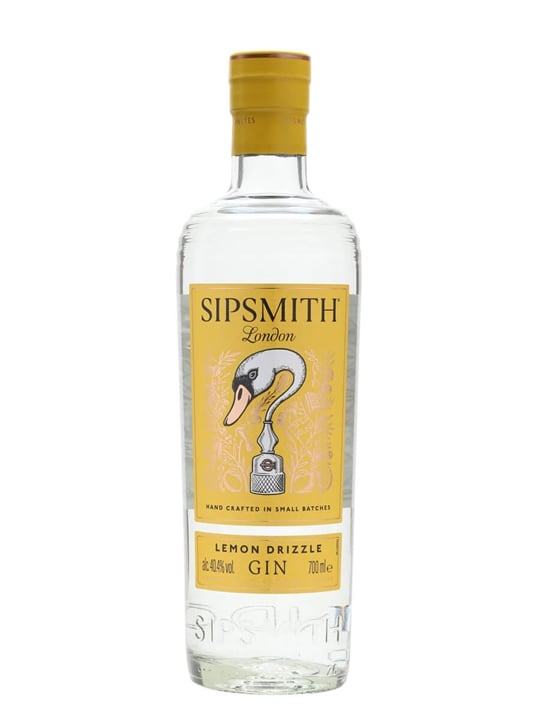

Sloe gin sits in an unusual place in the gin landscape. Technically a liqueur rather than a gin (its ABV typically sits below 30%), it's the style most likely to be found in non-gin-drinkers' cupboards — sweet, fruity, and approachable. At its worst, sloe gin is a one-dimensional sugar bomb. At its best, it's a complex, layered spirit that retains genuine juniper character beneath its berry sweetness.
Sipsmith's version aims firmly at the latter target, and largely hits it.
The Process
Sipsmith steeps hand-picked sloe berries in their London Dry Gin for several months, allowing the fruit to macerate slowly and extract colour, flavour, and tannin. Sugar is added — it must be, for sloe gin to work — but Sipsmith uses less than many competitors, allowing the gin's botanical character to show through more clearly.
On the Nose
Rich and immediately appealing. Ripe sloe berries — somewhere between damson and blackberry — dominate, with a jammy, almost compote-like sweetness. But beneath the fruit, you can detect Sipsmith's London Dry backbone: juniper, a hint of citrus peel, and a dry, herbal quality from the angelica root. It's this underlying gin character that separates good sloe gin from mere fruit liqueur.
On the Palate
The entry is sweet and fruity — there's no getting around sloe gin's essential character — but Sipsmith manages to balance that sweetness more successfully than most. The sloe berry flavour is rich and concentrated, with a tart, almost astringent quality from the berry skins' tannin that provides counterpoint to the sugar. Mid-palate, the gin base asserts itself: juniper and citrus emerging through the fruit, adding complexity and preventing the drink from becoming cloying.
The mouthfeel is smooth and slightly syrupy, as you'd expect from a liqueur-style spirit, but it's not heavy. At 29% ABV, there's less alcohol weight than a full-strength gin, but Sipsmith's base spirit provides enough structure to keep things interesting.
The Finish
Medium length, with sloe berry sweetness fading into a dry, slightly tannic conclusion. There's a pleasant bitterness — almond-like, possibly from the sloe stones — that adds sophistication to the finish. Juniper resurfaces right at the end, a quiet reminder that this is gin-based, not just fruit-based.
How to Serve
The classic serve is simple: Sipsmith Sloe Gin over ice, topped with tonic water and garnished with a lemon wheel. The tonic's quinine bitterness balances the sloe's sweetness beautifully. It's also excellent in a Sloe Gin Fizz — sloe gin, lemon juice, sugar syrup, egg white, shaken and topped with soda — which is one of the most underrated cocktails in the canon.
For an autumnal G&T with a twist, try a 50/50 blend of Sipsmith London Dry and Sipsmith Sloe, topped with tonic. The result is a drink with the structure of a proper G&T and the berry warmth of sloe gin.
The Assessment
Sipsmith Sloe Gin is among the best commercially available sloe gins on the market. It's sweet — it has to be — but it's balanced, complex, and retains genuine gin character. The quality of the base spirit elevates it above competitors who use inferior gin as their starting point.
If you're a sloe gin sceptic, this might be the bottle that changes your mind. If you're a sloe gin enthusiast, this should already be on your shelf.