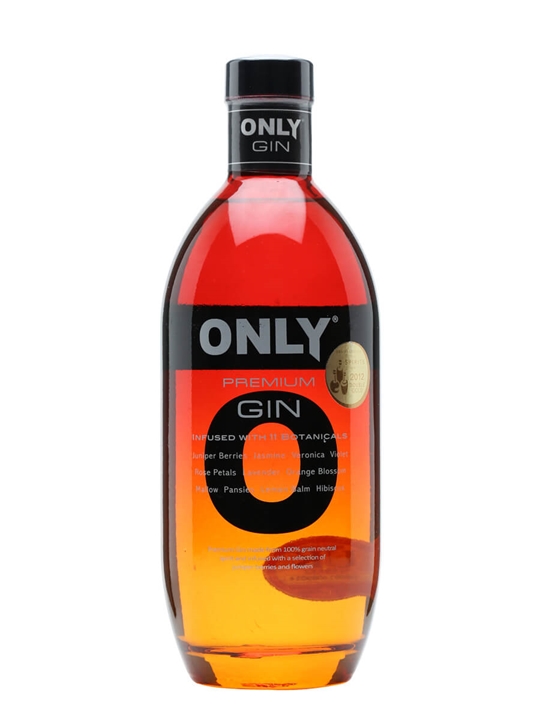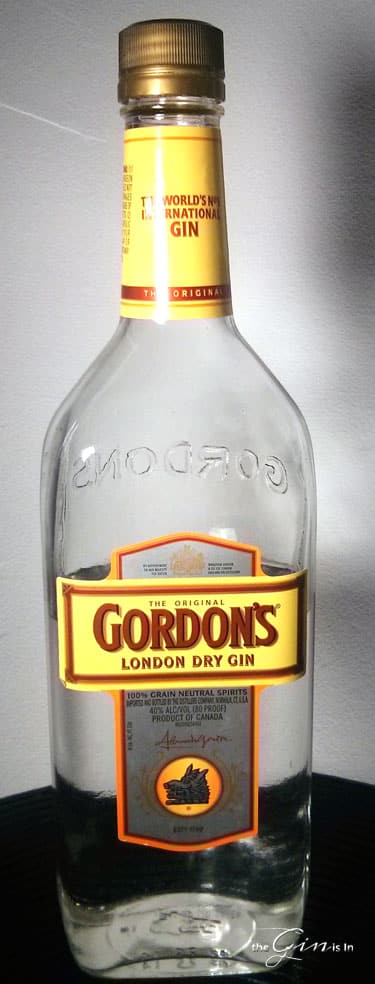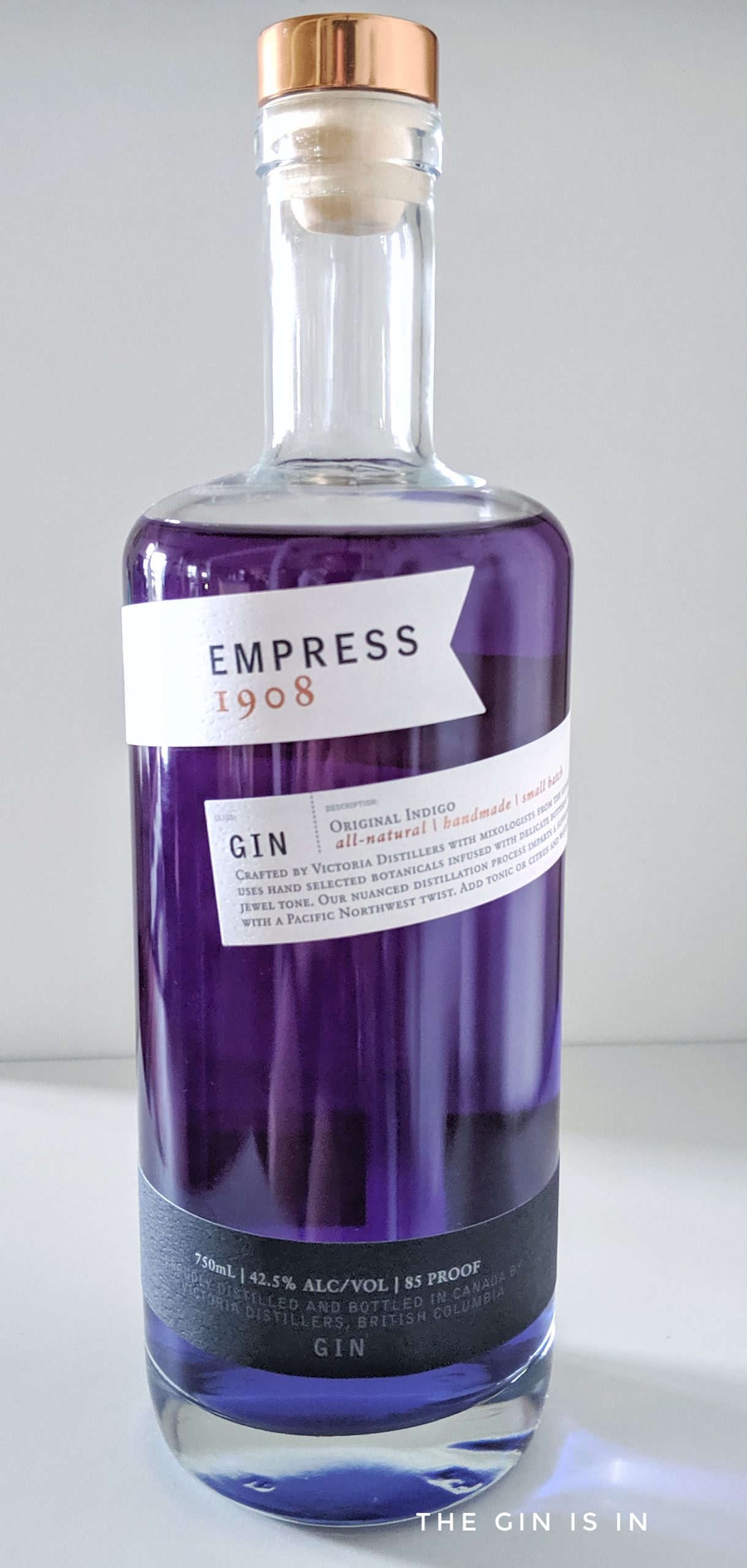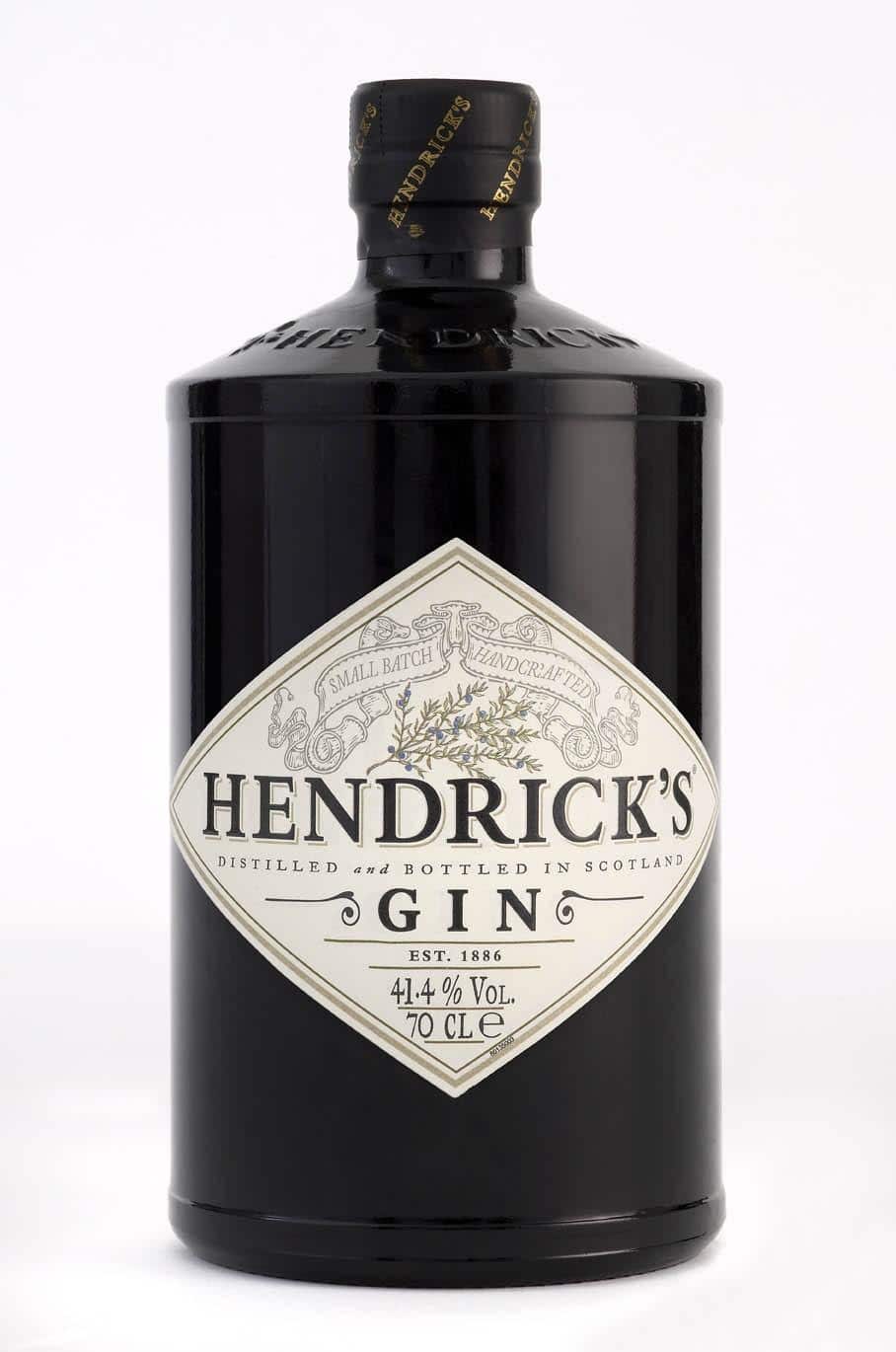

A blind tasting strips away everything except the liquid. No labels, no price tags, no brand stories — just gin, your senses, and an honest assessment of what's in your glass. It's humbling, revealing, and almost always surprising. The gin you thought was your favourite might finish last. The budget bottle might beat the premium one. That's the beauty of blind tasting: it tells you what you actually like, rather than what you think you should like.
Here's how to organise a great gin blind tasting at home.
Planning
Number of gins: Four to six is the sweet spot. Fewer than four doesn't give you enough comparison points. More than six and palate fatigue becomes a real issue — by gin number seven, everything starts tasting the same.
Theme: A themed tasting is more interesting than a random selection. Good themes include: London Dry gins at different price points; gins from different countries; different gin styles (London Dry vs Contemporary vs Old Tom); or gins from a single region (Scottish gins, for example).
Guests: Six to eight people is ideal. Large enough for diverse opinions, small enough for everyone to participate in discussion. Mix experienced gin drinkers with newcomers — the newcomers often have the most interesting, unbiased reactions.
Setup
Cover the bottles: Wrap each bottle in aluminium foil or put them in paper bags, numbered 1 through 6 (or however many you're tasting). The person who wrapped the bottles should record which gin is which number — but keep that information secret until the tasting is complete.
Glassware: Use identical glasses for each gin — copita (nosing) glasses are ideal, but any small, tulip-shaped glass will work. Wine glasses are fine. Label each glass with the corresponding number.
Pour size: 15-20ml per gin. You don't need much — you're tasting, not drinking. For six gins, that's roughly 90-120ml of gin per person, which is only 2-3 standard measures.
Water: Provide still water and plain crackers or breadsticks for palate cleansing between gins. This is not optional — without palate cleansers, the later gins in the flight are unfairly disadvantaged.
The Tasting Process
Step 1 — Look: Hold the glass up to the light. Note the colour (most gins are clear, but barrel-aged or certain flavoured gins may have colour), viscosity (does it cling to the glass?), and clarity.
Step 2 — Nose: Bring the glass to your nose gently — don't shove your nose into the glass, which will just give you an alcohol burn. Take short, gentle sniffs. Try to identify specific aromas: juniper, citrus, floral notes, spice, herbs. Write down your impressions before moving on.
Step 3 — Taste neat: Take a small sip and let it coat your mouth. Don't swallow immediately — let the gin sit on your tongue for a few seconds. Notice the entry (what hits you first?), the mid-palate (what develops?), and the finish (what lingers?). Write down your impressions.
Step 4 — Taste with water: Add a few drops of water to the glass. This reduces the alcohol's impact and can reveal flavours that were hidden at full strength. Taste again and note any differences.
Step 5 — Score: Score each gin on a scale of 1-10, considering aroma, flavour, balance, complexity, and personal enjoyment. There's no right answer — the best gin is the one you enjoy most.
Scoring Sheets
Give each guest a simple scoring sheet with the following categories for each gin:
Gin Number: ___
Aroma (1-10): ___
Flavour (1-10): ___
Balance (1-10): ___
Finish (1-10): ___
Overall (1-10): ___
Notes: ___
Collect the sheets at the end, tally the scores, and reveal the results alongside the bottle identities. The collective surprise when a £20 gin outscores a £45 one is one of the great pleasures of blind tasting.
The Reveal
This is the best part. Unwrap the bottles one by one, starting with the lowest-scoring gin. Watch the reactions as people discover their assumptions were wrong (they almost always are). Discuss what surprised people and why.
Tips for Success
No food before or during: Eat afterwards, not before. Strong flavours interfere with your palate.
No perfume or cologne: Strong scents interfere with your ability to nose the gins accurately.
No discussion during tasting: Let people form their own opinions before sharing. Group discussion can bias individual assessments.
Keep it fun: This is a social event, not an exam. The reveal and discussion should be lively, opinionated, and enjoyable. The point is to learn about your own preferences, not to prove anyone right or wrong.
A well-run blind tasting will teach you more about gin — and about your own palate — than a year of casual drinking. Give it a try. You might be surprised by what you discover.