
You don't need a wall of bottles to make great gin drinks at home. I've seen professional bars produce extraordinary cocktails from surprisingly modest inventories, and the same principles apply at home. What matters isn't how many bottles you own — it's choosing the right ones.
Here's my tiered approach to building a gin home bar, from starter essentials to full enthusiast setup.
Tier 1: The Essentials (Under £50)
Start here. With these four items, you can make a G&T, a Martini, a Gimlet, and several other classic gin drinks.
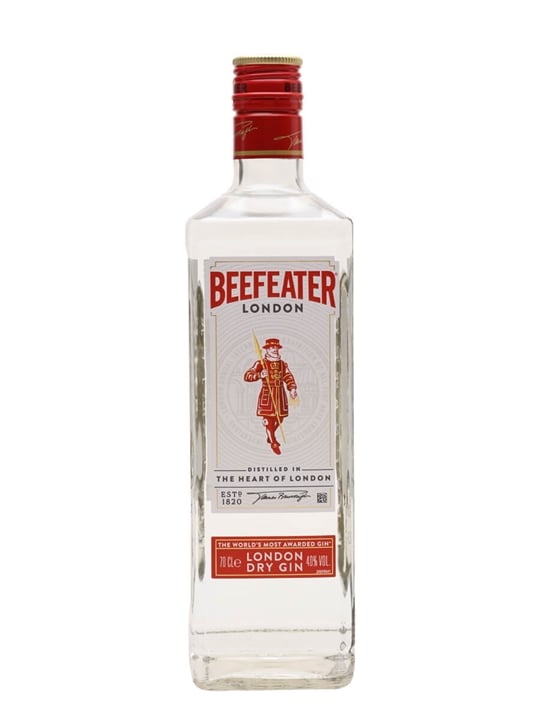
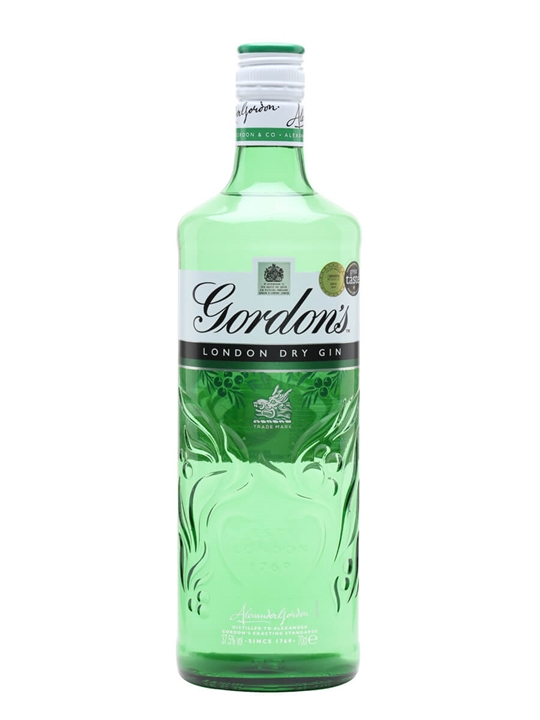
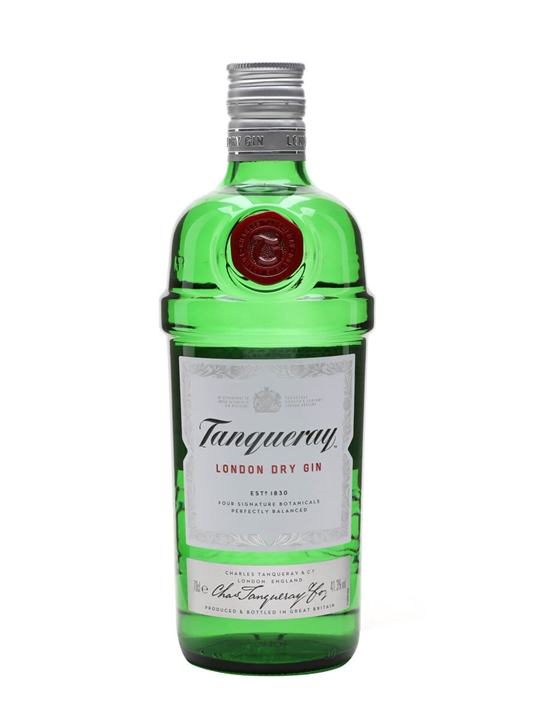
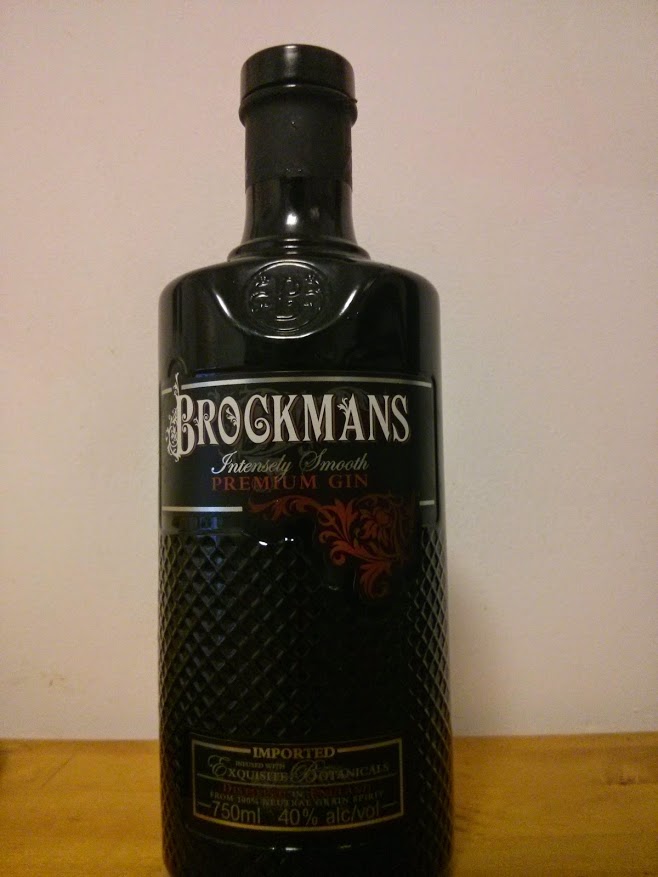
One good London Dry gin (£20-25): This is your workhorse. Beefeater, Tanqueray, or Gordon's Export — any of these will serve you well as a foundation bottle. They're all juniper-forward, versatile, and available everywhere. Don't overthink this choice; at the starter level, reliability matters more than prestige.
Dry vermouth (£8-12): Essential for Martinis. Noilly Prat or Dolin Dry are both excellent and affordable. Keep it in the fridge once opened — vermouth is a wine product and will oxidise within a few weeks if left at room temperature.
Tonic water (£5-8): Buy a quality tonic — Fever-Tree Indian Tonic or Schweppes 1783. The tonic makes up 60-75% of a G&T, so skimping here undermines everything. Buy small cans or bottles rather than large ones; flat tonic ruins a drink.
Fresh lemons and limes (£2): Always have citrus on hand. A lemon twist or lime wedge transforms a basic serve.
Tier 2: The Intermediate Bar (Under £150)
Add these to your essentials and your repertoire expands dramatically.
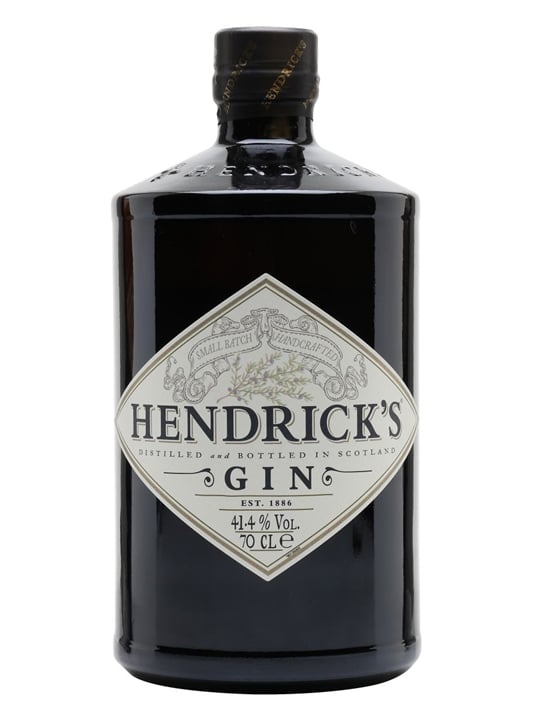
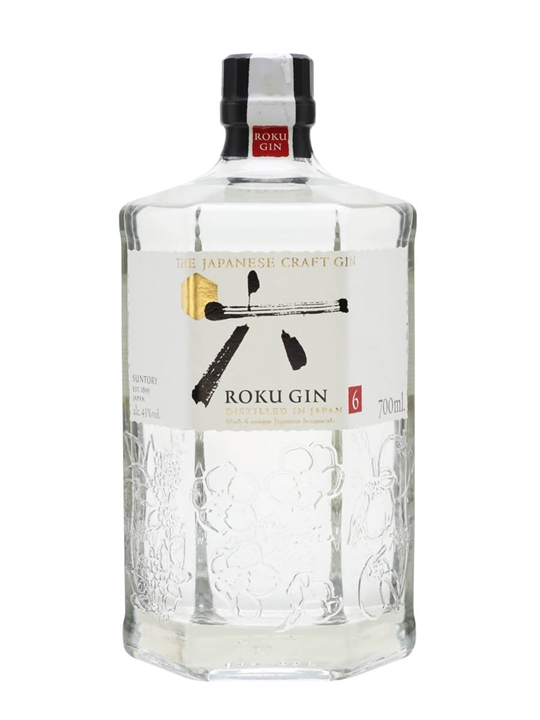
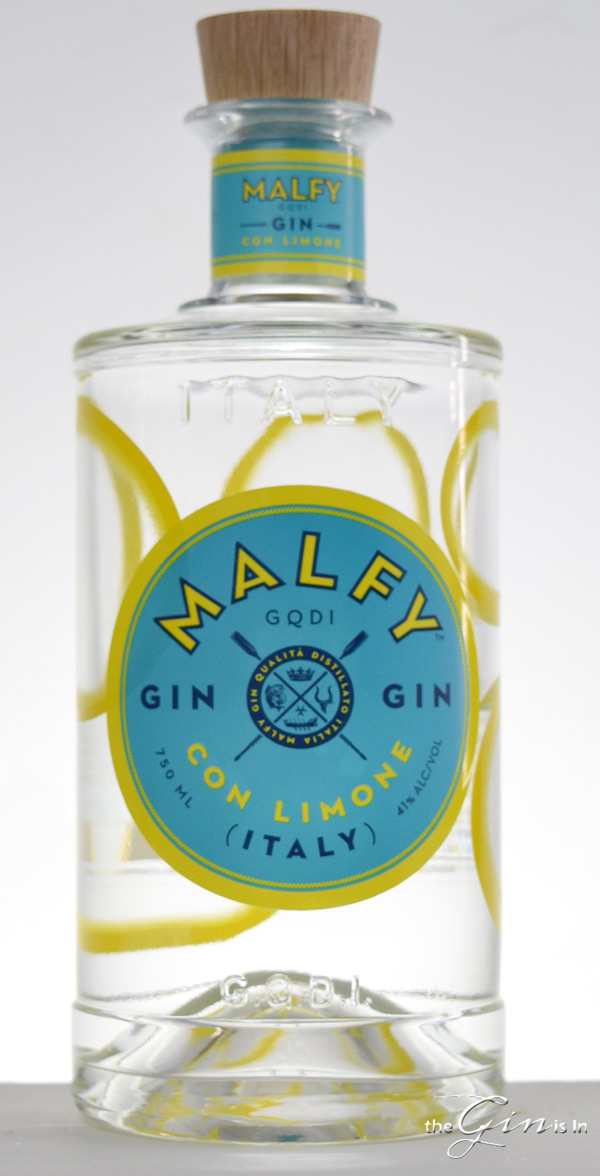
A contemporary or flavoured gin (£25-35): Something different from your London Dry — Hendrick's, Roku, or Malfy. This gives you range and lets you explore what different botanical profiles bring to familiar drinks.
Sweet vermouth (£10-15): Unlocks the Negroni, the Martinez, and a host of other classic cocktails. Cocchi Vermouth di Torino or Antica Formula are worth the investment.
Campari (£18-22): The other Negroni ingredient. Campari is also the base for a Garibaldi, an Americano, and countless other Italian aperitivo drinks.
Simple syrup: Make your own — equal parts sugar and water, heated until dissolved. Costs almost nothing and is essential for sours, fizzes, and Collins drinks.
Basic bar tools (£15-20): A jigger (for measuring), a bar spoon, and a basic shaker. These three tools will let you make virtually any cocktail properly.
Tier 3: The Enthusiast Bar (Under £350)
Now we're getting serious. This setup will let you make almost anything a professional bar can.
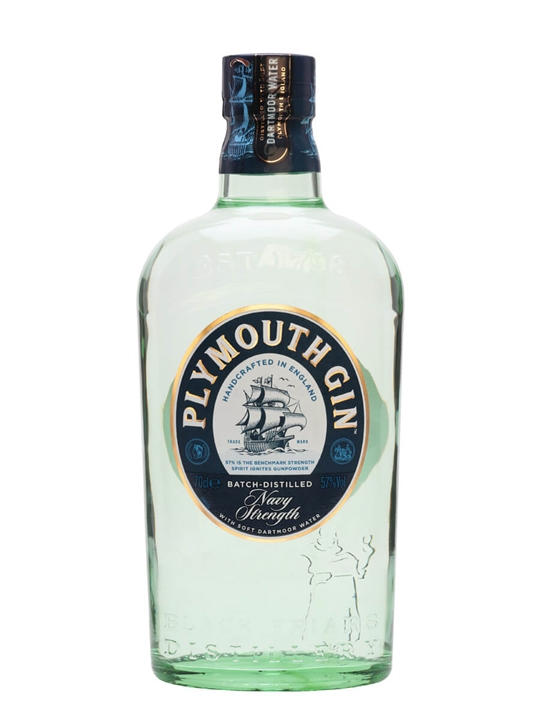
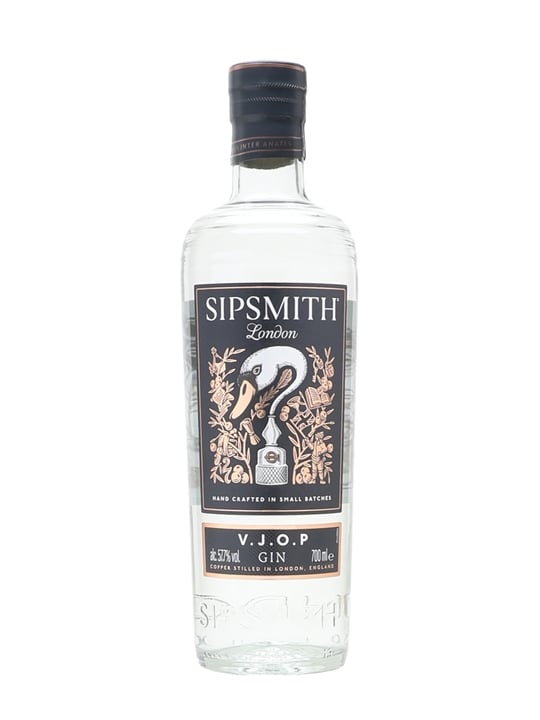
A navy strength gin (£30-35): Plymouth Navy Strength or Sipsmith VJOP. These higher-proof gins bring intensity and hold their own in spirit-forward cocktails where a 40% gin would get lost.
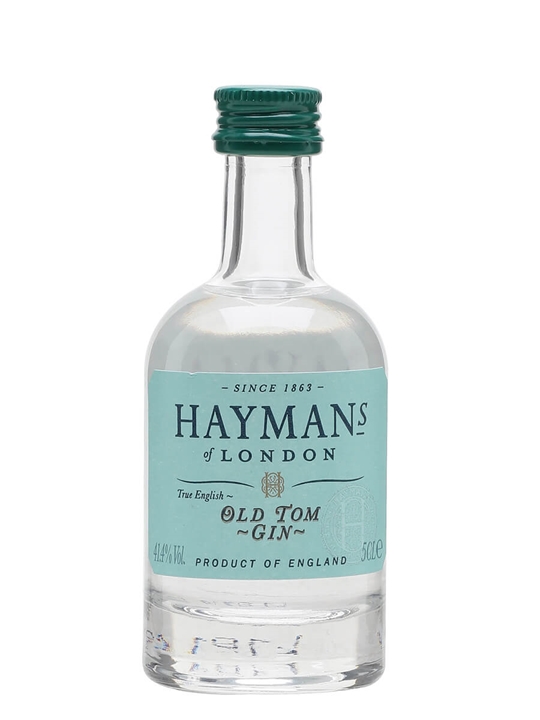
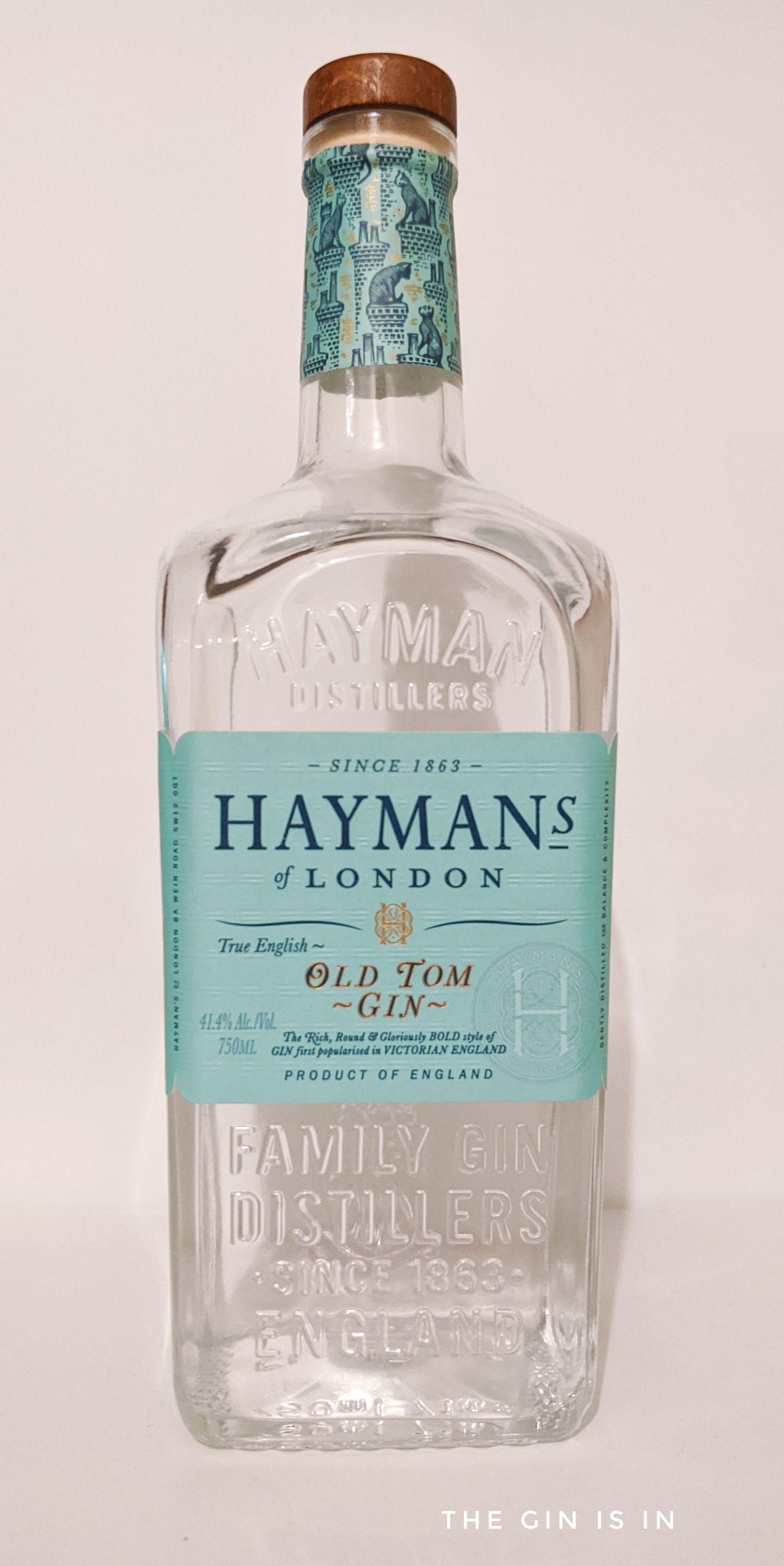
An Old Tom gin (£25-30): Hayman's Old Tom is the standard-bearer. This slightly sweeter style opens up the Tom Collins, the Martinez, and the Ramos Gin Fizz.
Orange bitters (£8-10): Angostura Orange or Regans' No. 6. A few dashes add remarkable depth to Martinis and other stirred drinks.
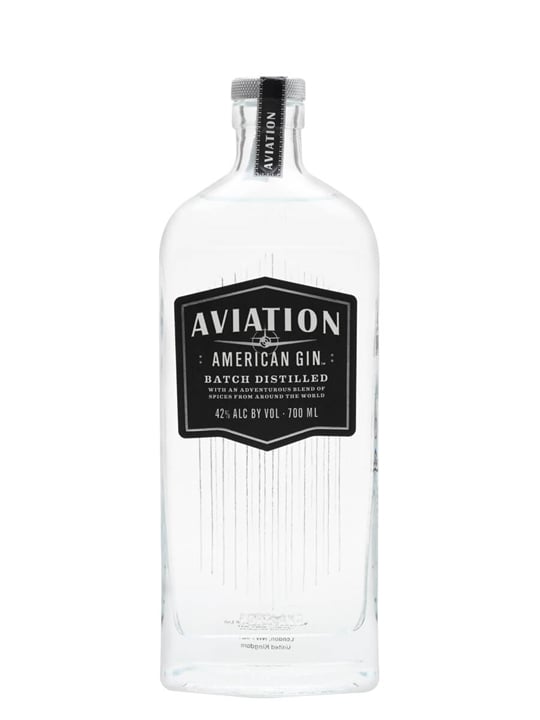
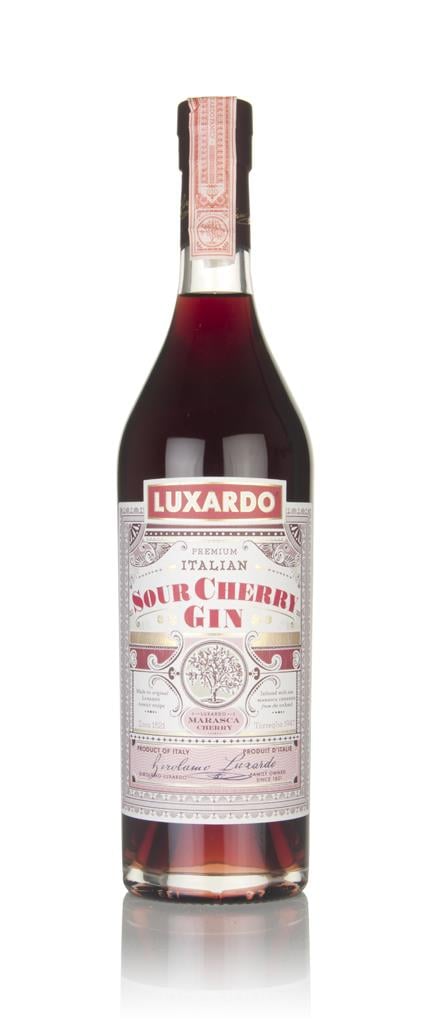
Luxardo Maraschino liqueur (£18-22): Essential for the Aviation, the Last Word, and the Hemingway Daiquiri (which uses gin in some variations). A bottle lasts ages.
Quality glassware: A set of coupe glasses, a couple of highballs, and a Martini glass or two. You don't need crystal — IKEA does perfectly serviceable cocktail glasses.
Ice: Invest in large silicone ice moulds for clear, slow-melting ice cubes. Good ice is the single most underrated element of home cocktail making.
General Principles
Buy quality over quantity. Three excellent bottles beat ten mediocre ones. Every bottle on your bar should earn its place by being used regularly.
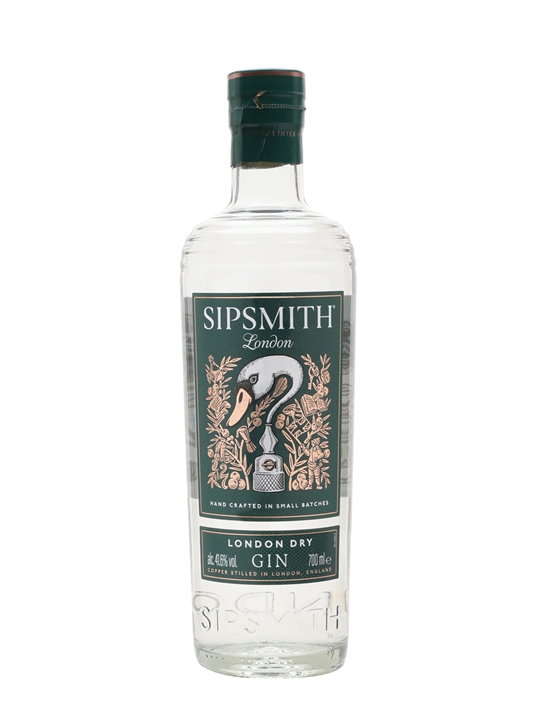
Rotate your stock. Once you've finished a bottle, replace it with something different in the same category. Your London Dry this month might be Beefeater; next time, try Sipsmith or Portobello Road.
Don't neglect the mixers. Premium tonic, fresh citrus, quality vermouth — these supporting players make a bigger difference than upgrading your gin.
Keep it organised. A tidy bar is an inviting bar. You're more likely to make drinks at home if everything is easy to find and pleasant to look at.
Start with Tier 1, make drinks for a month, and then assess what you want to add. Building a home bar is a journey, not a destination — and the best part is that every step of the journey involves drinking excellent gin.