
Wine pairing has centuries of tradition behind it. Whisky pairing has become fashionable. But gin pairing? Most people look at you oddly if you suggest it. That's a shame, because gin's botanical complexity — its blend of herbal, citrus, spice, and floral notes — makes it one of the most versatile spirits for food matching. You just need to know how to approach it.
The Principles
Food and gin pairing follows the same basic rules as food and wine pairing: complement or contrast. Complementary pairing means matching similar flavours — a citrus-forward gin with a citrus-dressed seafood dish, for example. Contrasting pairing means using the gin to provide what the food lacks — the herbal bitterness of a London Dry cutting through the richness of a fatty fish, for instance.
The key difference from wine pairing is that gin is typically served mixed rather than neat with food. A gin and tonic is the most common format for food pairing, but gin cocktails — particularly the Martini, Negroni, and simpler mixed drinks — also work well.
Seafood
Gin and seafood is one of the great natural pairings. The juniper and citrus in most gins complement the mineral, saline qualities of fresh fish and shellfish. Specific recommendations:
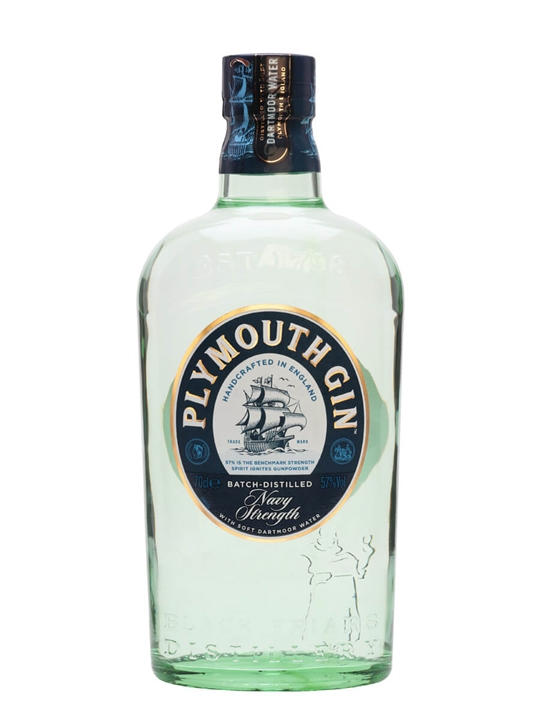
- Oysters: A dry Martini (Plymouth or Jensen's Bermondsey) served alongside fresh oysters is transcendent. The gin's bitterness and the oyster's brininess create a beautiful tension.
- Smoked salmon: London Dry gin and tonic with lemon. The smoky richness of the salmon needs the juniper's cut and the tonic's bitterness.
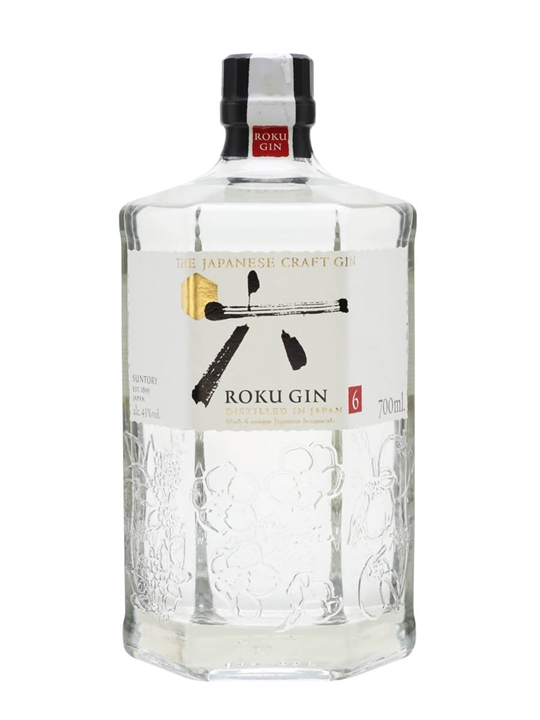
- Sashimi: Roku gin and tonic with a slice of ginger. The Japanese botanicals complement the delicacy of raw fish without overwhelming it.
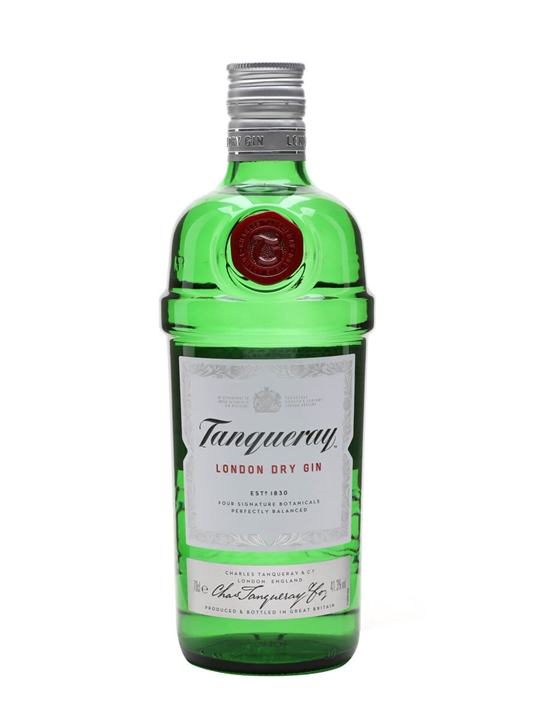
- Fish and chips: A robust G&T (Tanqueray, heavy on the lemon) provides the same function as the traditional squeeze of lemon — cutting through the batter's richness.
Cheese
Gin and cheese is an underexplored pairing that yields excellent results:
- Hard, aged cheeses (Cheddar, Comté, Parmesan): A juniper-forward London Dry G&T. The gin's herbal bitterness cuts through the cheese's fat, and the tonic's effervescence cleanses the palate.
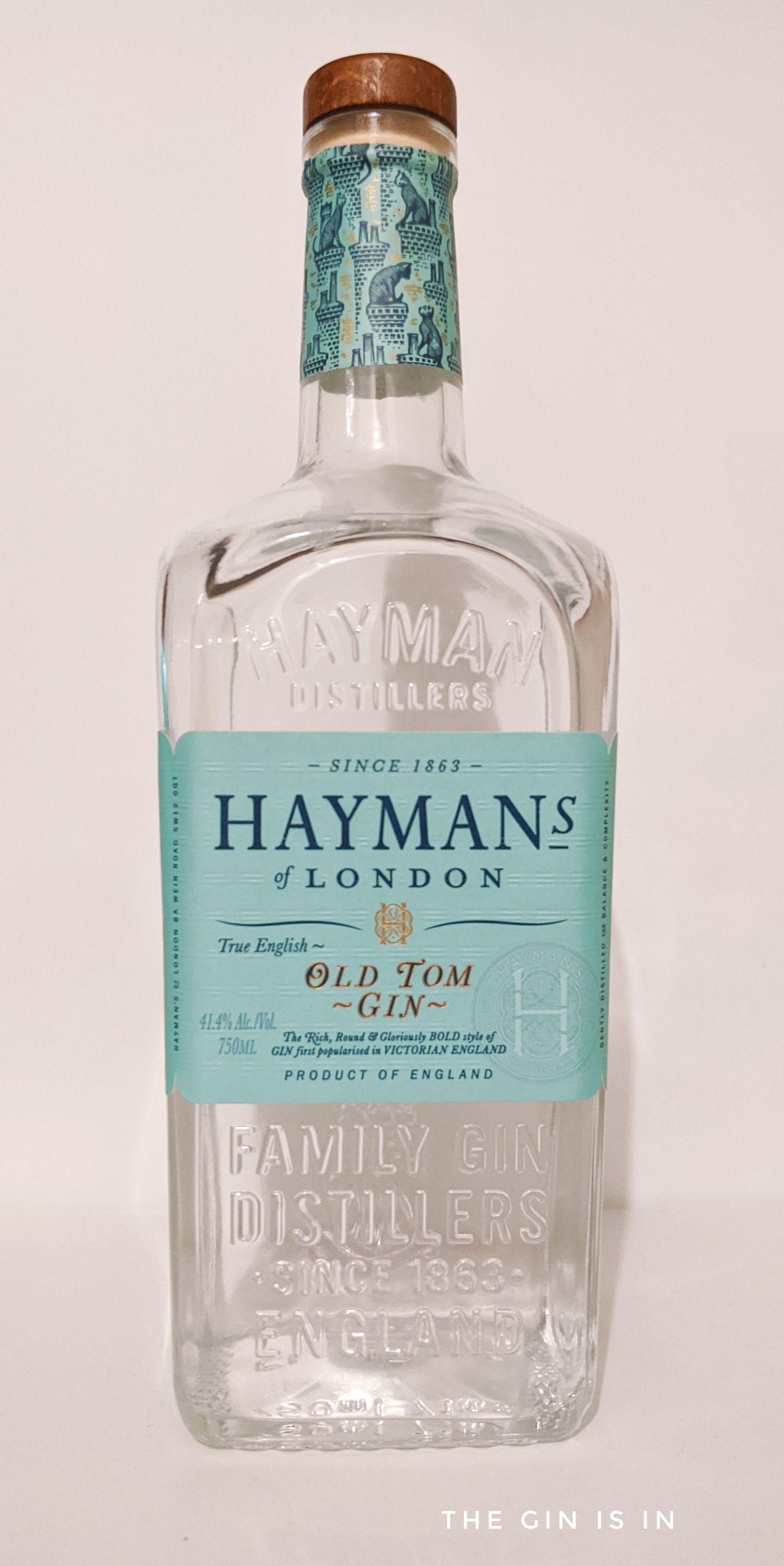
- Blue cheese: An Old Tom gin, served neat or with a splash of tonic. The sweetness of the Old Tom balances the saltiness and funk of the blue cheese.
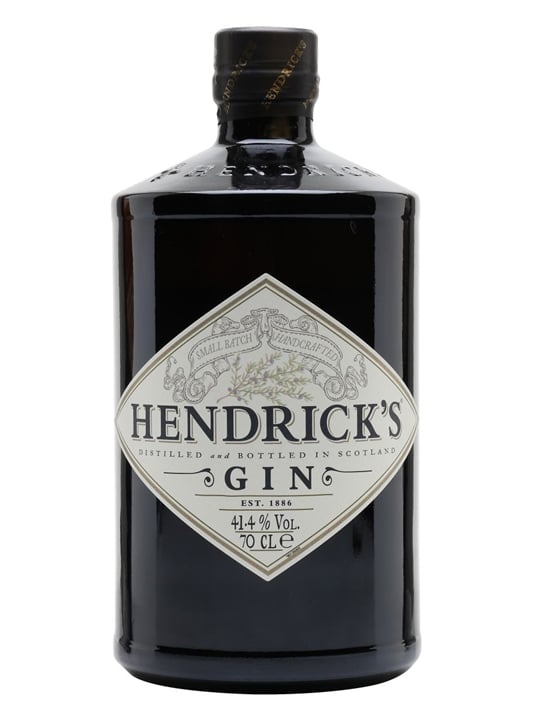
- Fresh goat's cheese: A floral contemporary gin (Hendrick's, The Botanist) with Mediterranean tonic. The floral notes echo the tang of the cheese.
Charcuterie
Cured meats and gin work brilliantly together. The fat and salt of charcuterie need something to cut through them, and gin's herbal bitterness does this as effectively as wine's acidity. A Negroni is perhaps the ultimate charcuterie companion — the Campari's bitterness and the gin's botanicals create a perfect foil for salami, prosciutto, and coppa.
Asian Cuisine
This is where gin pairing gets really exciting. The botanical complexity of gin — particularly contemporary and Japanese styles — has natural affinity with Asian flavour profiles:
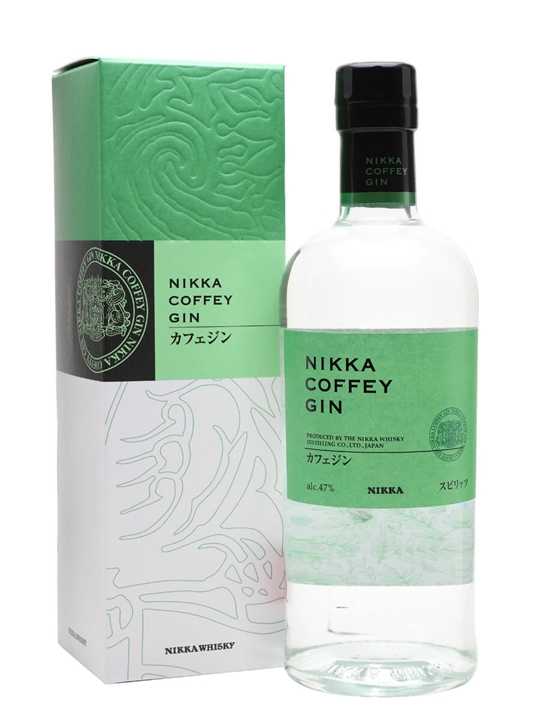
- Thai curry: A citrus-forward gin (Malfy Limone, Nikka Coffey) with light tonic. The citrus complements the lemongrass and lime in the curry.
- Dim sum: Roku gin highball with ginger. The tea notes in Roku bridge beautifully with traditional Chinese tea service.
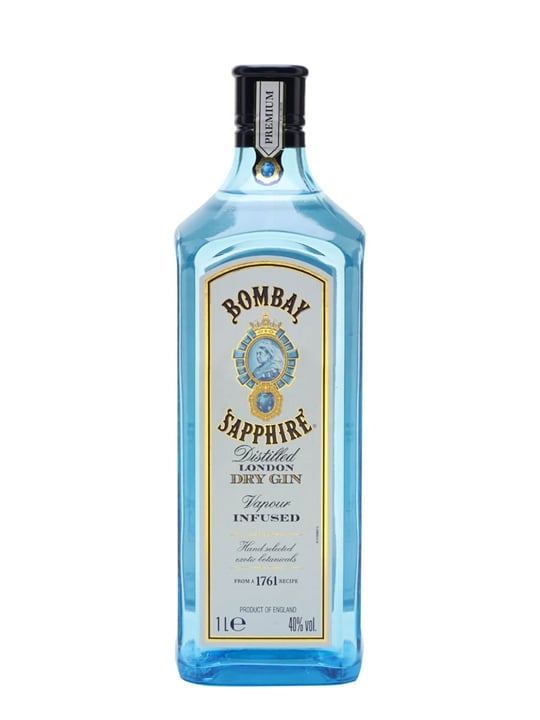
- Indian street food: A spice-heavy gin (Opihr, Bombay Sapphire) with Indian tonic. The shared spice notes create harmony.
Desserts
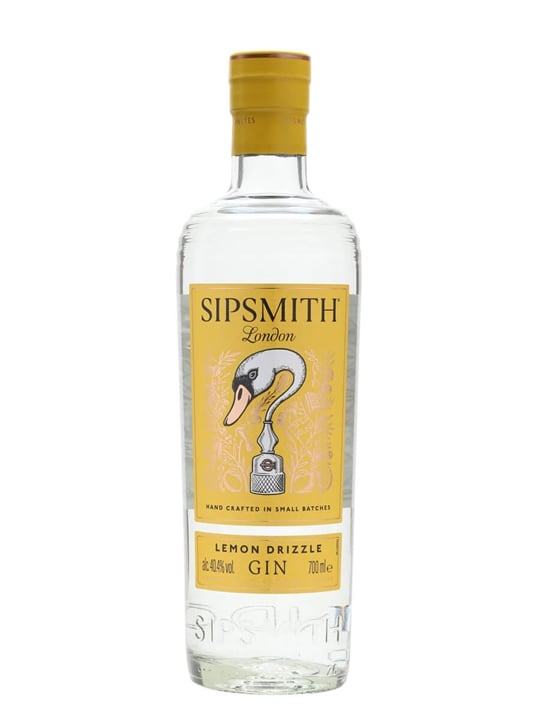
Gin with dessert is unusual but effective when done right. Sloe gin with dark chocolate is outstanding — the berry fruit and the chocolate create a pairing reminiscent of a Black Forest gateau. A Sipsmith Lemon Drizzle gin with lemon tart is an obvious but delicious match. And a Navy Strength gin poured over vanilla ice cream (a gin affogato of sorts) is more delicious than it has any right to be.
The Practical Approach
Start simple: make your favourite G&T and eat something you love alongside it. Pay attention to how the flavours interact. Do they complement each other? Does one overwhelm the other? Adjust the gin or the garnish accordingly. Food pairing is not a science — it is a conversation between what's in your glass and what's on your plate, and the best pairings are the ones you discover yourself.