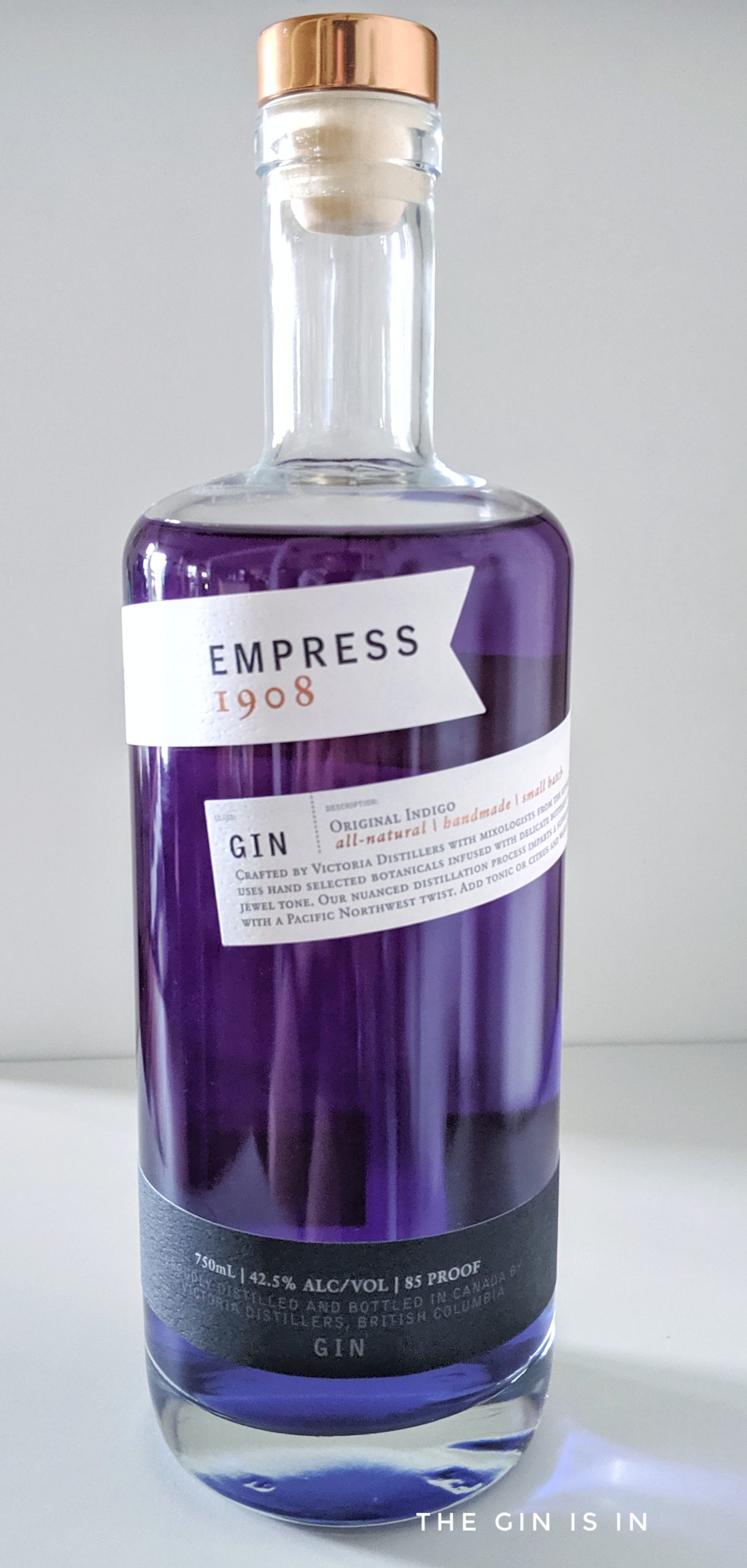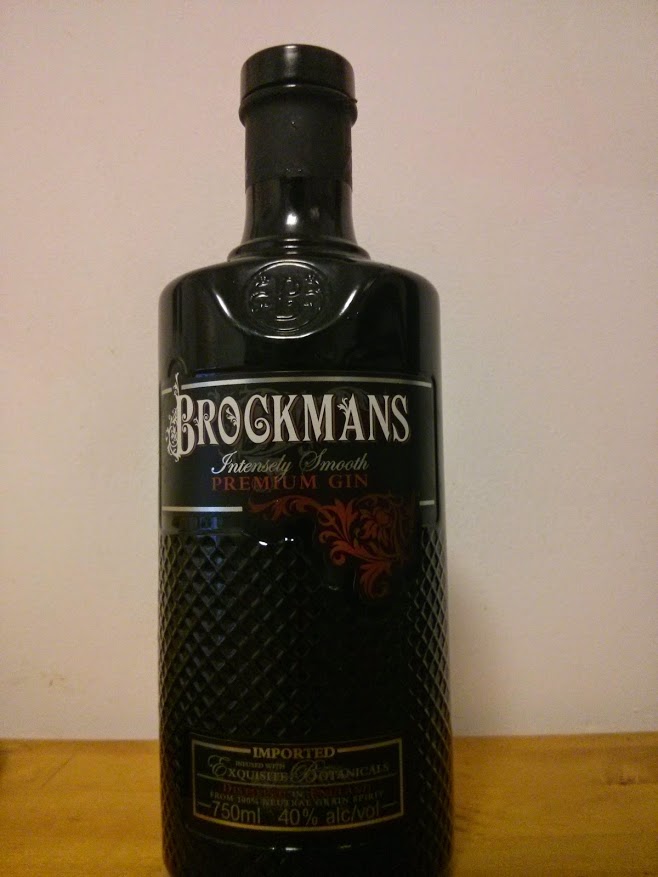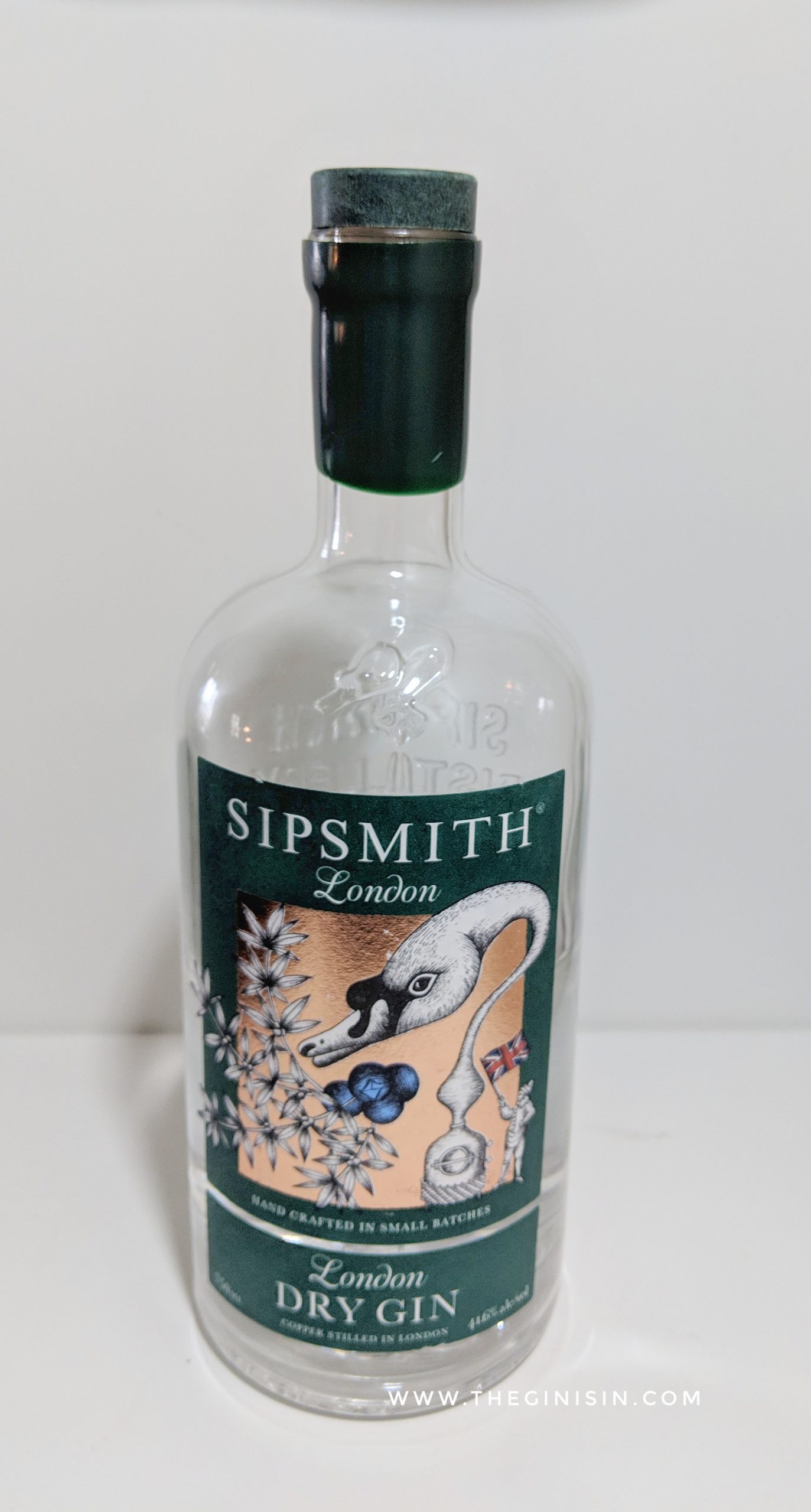

One of the most common sources of confusion for gin newcomers — and even some experienced drinkers — is the range of styles that fall under the gin umbrella. Walk into a well-stocked bar and you'll see bottles labelled London Dry, Plymouth, Old Tom, Navy Strength, Contemporary, New Western, Genever, and more. These are not just marketing terms; they represent genuinely different approaches to making gin, with distinct histories, production methods, and flavour profiles. Let me walk you through each one.
London Dry Gin
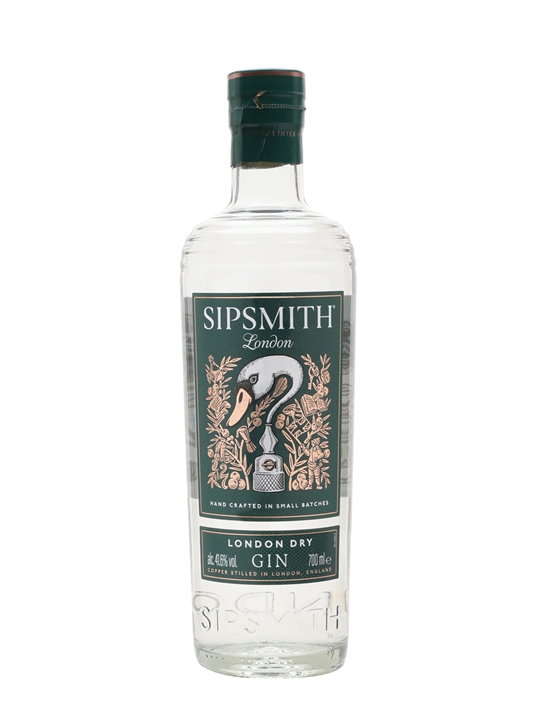
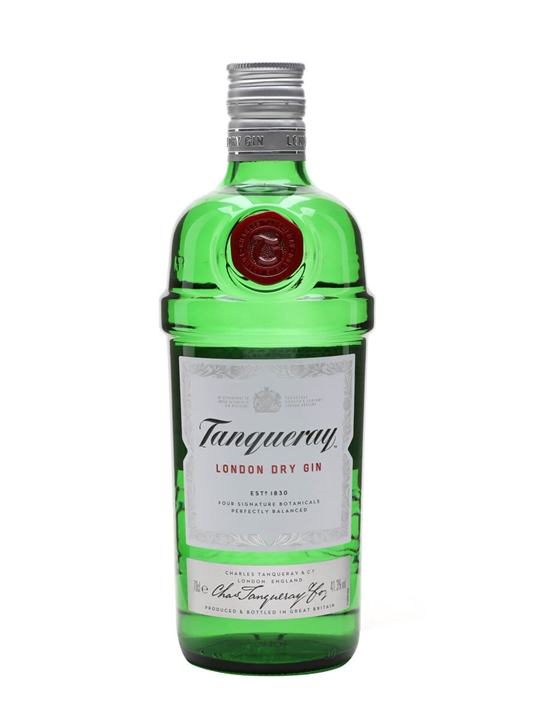
London Dry is not a geographical designation — it can be made anywhere in the world. It's a production standard defined by EU regulation. The key rules: the base spirit must be of agricultural origin and distilled to at least 96% ABV. All flavours must come from the distillation process (no flavourings added after distillation). Only a tiny amount of sugar may be added (up to 0.1g per litre). Nothing may be added after distillation that changes the colour.
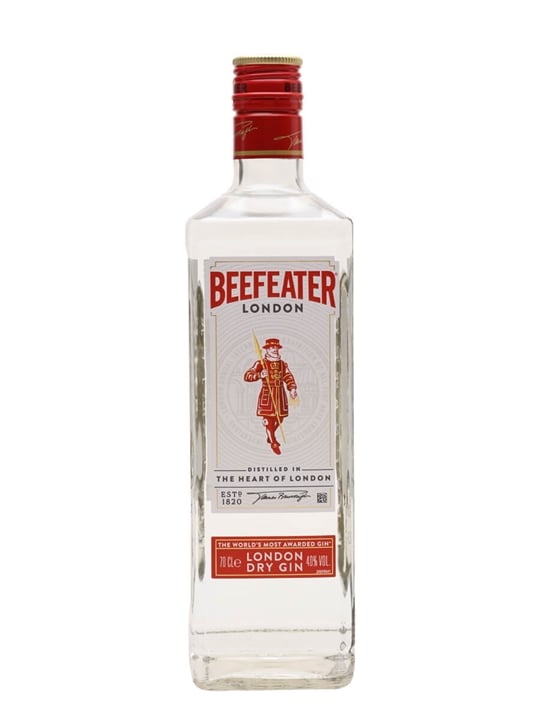
In practice, London Dry gins are characterised by a clean, juniper-forward flavour profile. They tend to be crisp, dry, and assertive. Classic examples: Tanqueray, Beefeater, Sipsmith, Portobello Road.
Flavour signature: Juniper-forward, clean, dry, citrus and spice supporting.
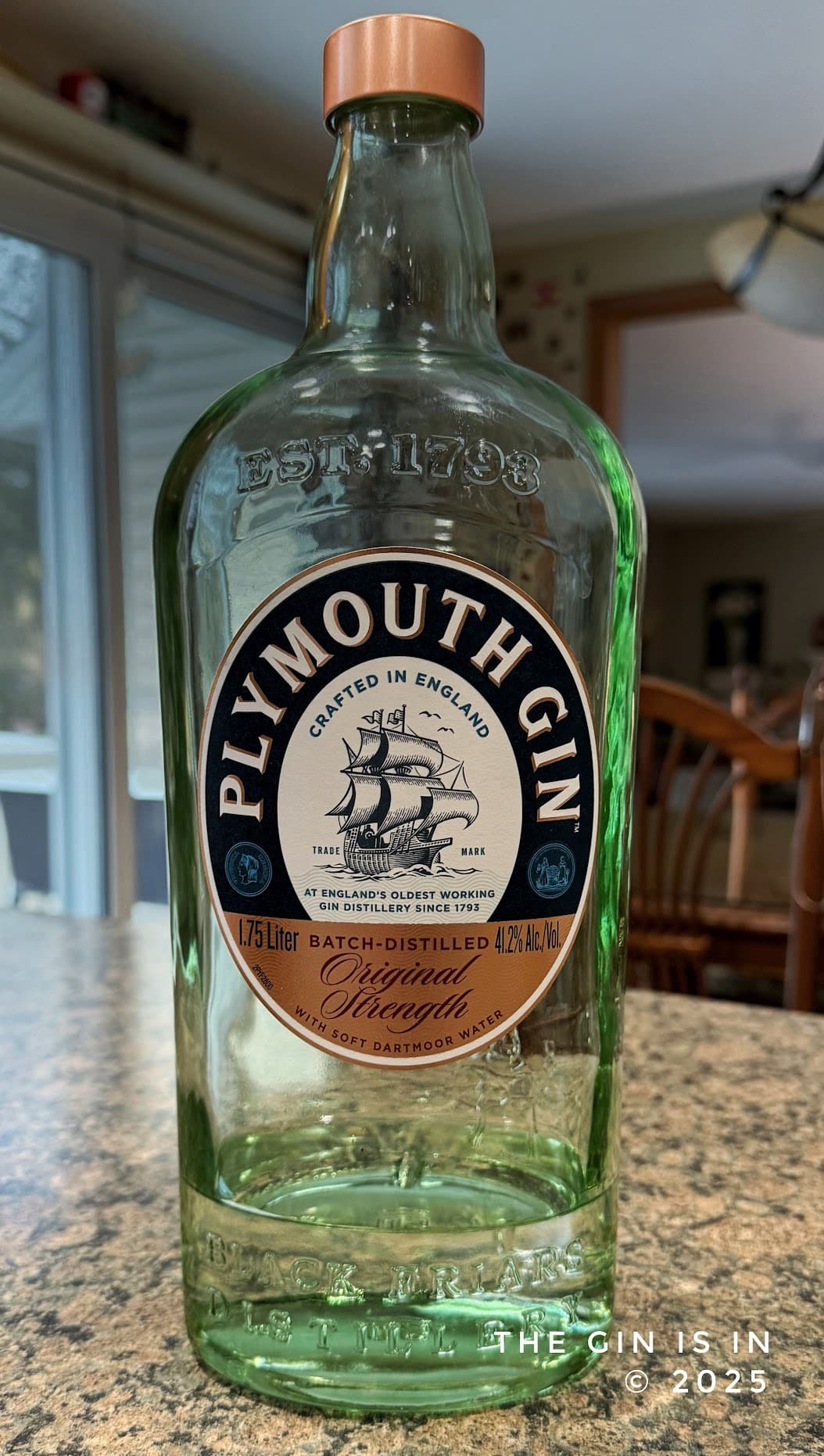
Plymouth Gin
Plymouth has a geographical indication — it can only be made in Plymouth, Devon. Currently, only one distillery produces it: the Black Friars Distillery. Plymouth sits between London Dry and Old Tom in style: less austere than the former, less sweet than the latter. It uses the same basic botanicals as London Dry but in different proportions, producing a softer, more rounded spirit. The use of naturally soft Dartmoor water contributes to its smooth character.
Flavour signature: Softer juniper, fuller body, earthy and slightly sweet, rounded citrus.
Old Tom Gin
Old Tom is the missing link between genever and London Dry. Historically, it was the predominant gin style in eighteenth and nineteenth-century England — slightly sweetened to mask the impurities of less refined distillation. Modern Old Toms are made to a much higher standard, with the sweetening serving as a stylistic choice rather than a necessity. The sugar content is higher than London Dry but lower than a liqueur.
Old Tom is essential for classic cocktails like the Tom Collins and the Martinez, where its sweetness provides balance that London Dry cannot.
Flavour signature: Gentle sweetness, rounded juniper, full body, malt-like warmth.
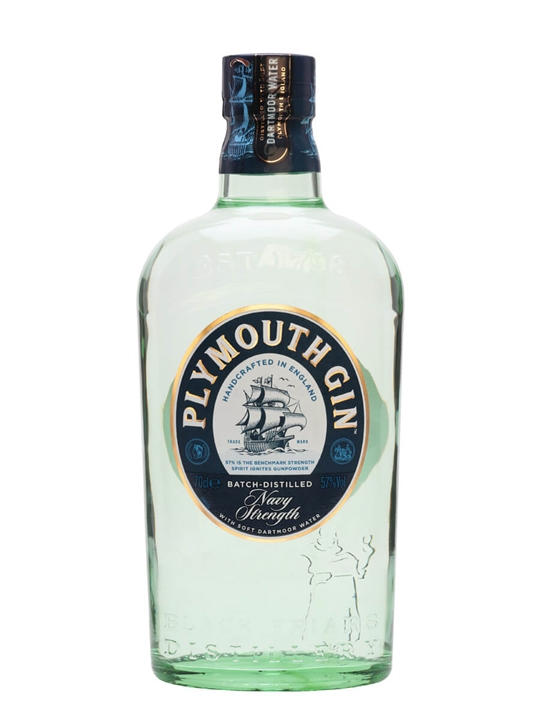
Navy Strength Gin
Navy Strength isn't a separate style so much as a proof designation. A gin must be at least 57% ABV to qualify — the proof at which gin, if spilled on gunpowder, would still allow the gunpowder to ignite. Navy Strength gins can be London Dry, Plymouth, or any other style, but at higher proof. The increased ABV intensifies the botanical flavours, making Navy Strength gins particularly effective in cocktails where the gin needs to assert itself against strong modifiers like Campari or citrus juice.
Flavour signature: Intensified version of the base style, bolder botanicals, richer mouthfeel.
Contemporary / New Western Gin
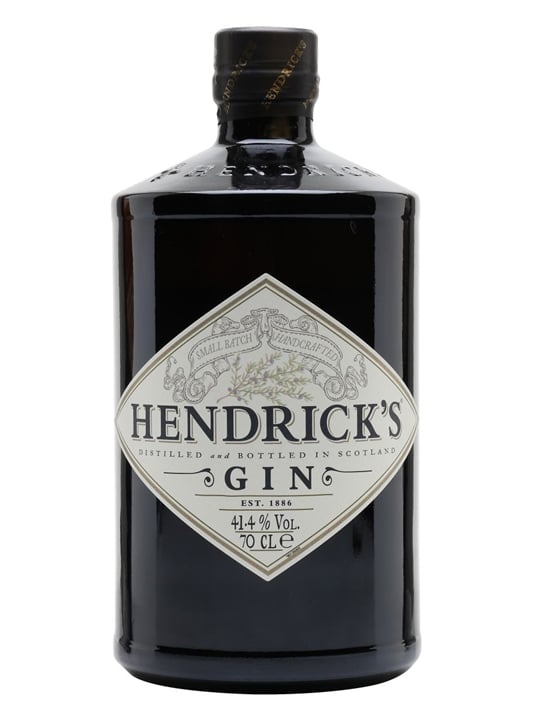
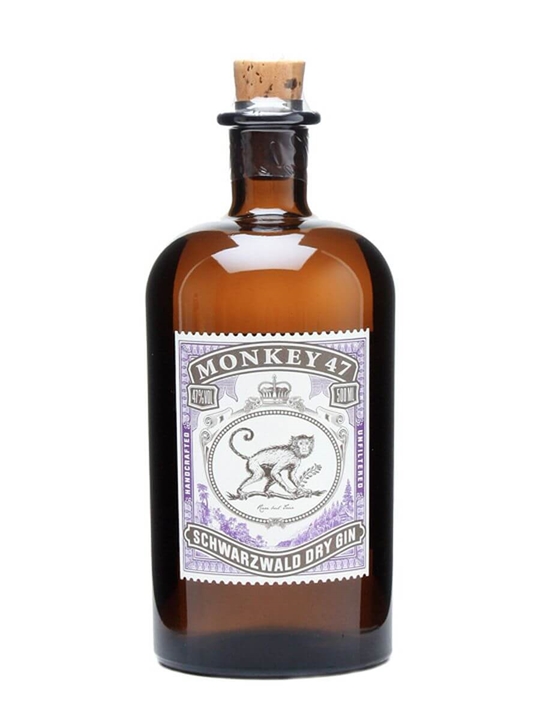
These terms describe gins that move juniper out of the spotlight, allowing other botanicals to take the lead. There's no legal definition — it's more of a philosophical approach. Hendrick's, with its cucumber and rose, is the gin that launched this category. Others include Monkey 47, The Botanist, and Ki No Bi. The best contemporary gins maintain juniper as a structural element while showcasing more unusual flavours.
Flavour signature: Varied — floral, herbal, citrus-forward, or spice-led, with juniper playing a supporting role.
Genever (Jenever)
The ancestor of all gin. Genever is a Dutch and Belgian spirit built on a malt wine base — pot-distilled grain spirit with a rich, almost whisky-like character. Juniper and botanicals are layered on top. Jonge (young) genever has less malt wine and is lighter. Oude (old) genever has more malt wine and is richer and more complex. Genever is a protected designation — it can only be produced in the Netherlands, Belgium, and parts of France and Germany.
Flavour signature: Malty richness, subdued juniper, grainy sweetness, full body, whisky-like warmth.
Sloe Gin
Technically a liqueur, not a gin. Made by steeping sloe berries (blackthorn fruit) in gin with sugar. Must be at least 25% ABV under EU rules. The best versions maintain recognisable gin character beneath the berry fruit. Traditional in British autumn and winter drinking.
Flavour signature: Berry fruit (damson, plum), underlying juniper, balanced sweetness, almond hints from stones.
Barrel-Aged Gin
Gin rested in wooden casks, typically ex-bourbon, ex-sherry, or (in Hernö's case) juniper wood. The ageing adds colour, vanilla, and oak-derived flavours while softening the spirit. There's no standard ageing period — some barrel-aged gins rest for weeks, others for years. The challenge is maintaining gin identity while incorporating wood influence.
Flavour signature: Varies by cask type — vanilla, oak, caramel (bourbon cask); dried fruit, nuttiness (sherry cask); intensified juniper (juniper cask).
Understanding these styles transforms how you choose and enjoy gin. Each has its place — in your glass, in your cocktails, and on your shelf.