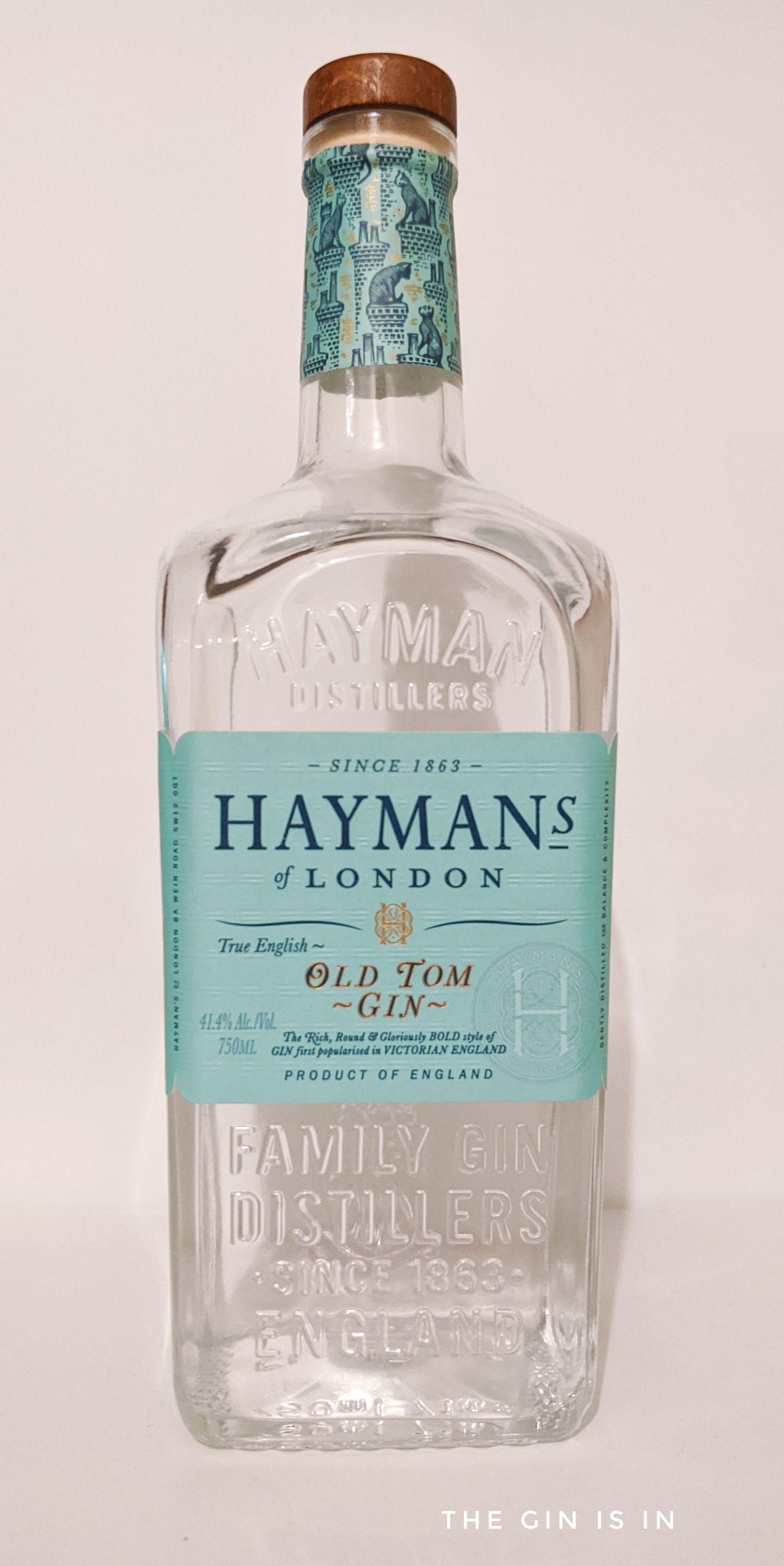
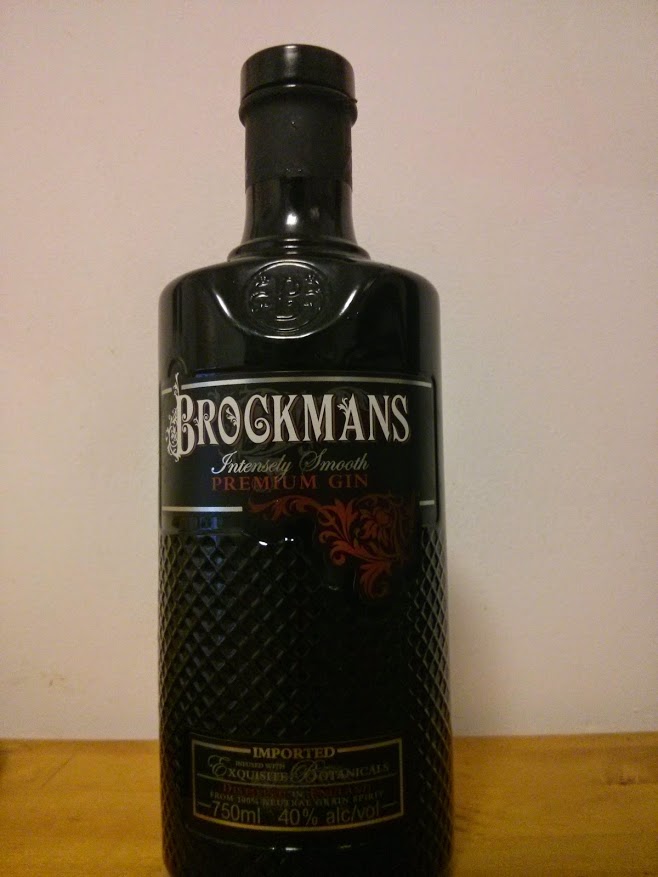

Hosting a gin tasting at home is one of the best ways to explore the spirit with friends, and it requires far less equipment and expertise than you might think. I've run tastings for beginners, enthusiasts, and industry professionals, and the fundamentals are the same: good gin, a sensible structure, and enough snacks to keep everyone functional. Here's my step-by-step guide.
Planning: Choose a Theme
A tasting without a theme is just drinking (which is also fine, but different). The theme gives your guests a framework for comparison and discussion. Some ideas that work well:
- London Dry head-to-head: Four or five London Drys at different price points. This is the best starting tasting for beginners — it establishes a baseline understanding of what gin tastes like.
- Around the world: One gin from each of five different countries. The contrast between, say, a Spanish gin, a Japanese gin, and a Scottish gin is illuminating.
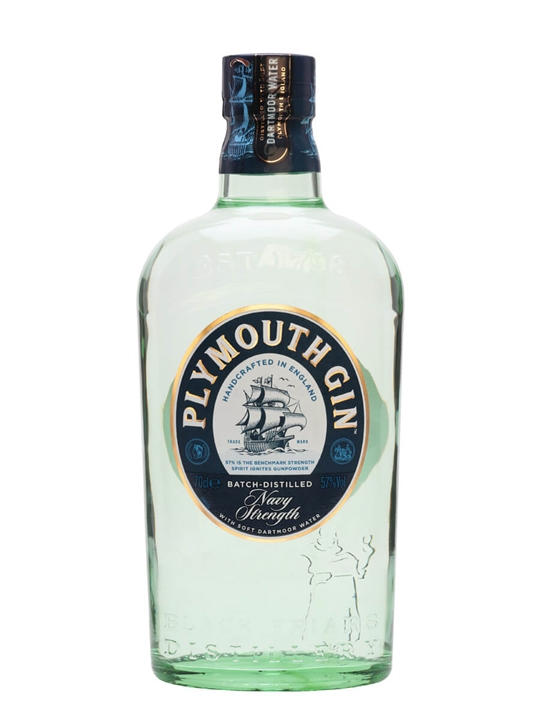
- Style tour: London Dry, Plymouth, Old Tom, Navy Strength, Contemporary. This teaches people about the range within gin.
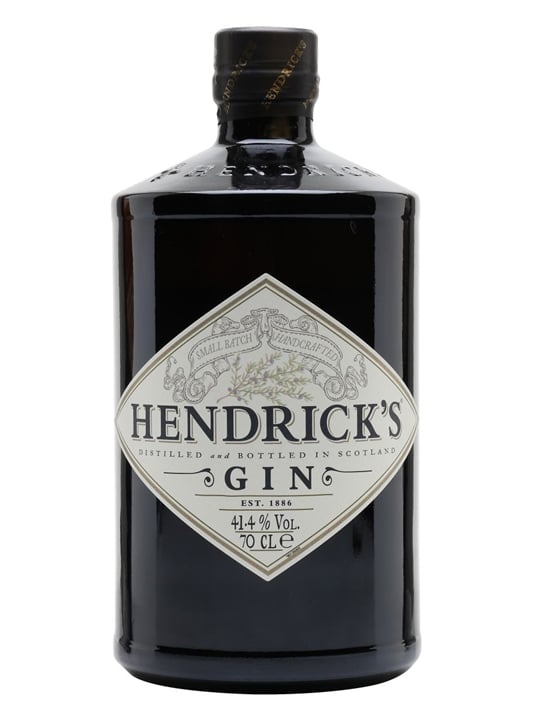
- One brand, multiple expressions: Hendrick's Original, Orbium, and Neptunia, for example. This shows how the same distillery can produce very different gins.
How Many Gins?
Five is the magic number. Fewer than four doesn't give you enough to compare. More than six and palate fatigue sets in — by the seventh gin, everyone's nodding politely but tasting very little. Five gins, tasted in a structured way, will fill about ninety minutes comfortably.
Glassware and Setup
Use tulip-shaped glasses if you have them — copita glasses, wine glasses, or even small brandy snifters work. The shape concentrates the aromatics, which is where much of the tasting experience happens. Pour 15-20ml per gin per person. Set the glasses out in tasting order, numbered or labelled.
Provide still water and plain crackers or bread for palate cleansing between gins. Avoid strongly flavoured foods during the tasting itself — cheese, charcuterie, and other snacks are better served afterwards.
The Tasting Process
For each gin, guide your guests through three steps:
- Nose: Hold the glass a few inches from your nose and breathe in gently. Don't stick your nose into the glass — the alcohol will overwhelm everything else. What can you smell? Juniper? Citrus? Spice? Florals? Encourage people to describe what they smell in their own words — there are no wrong answers.
- Palate: Take a small sip and let it coat your tongue before swallowing. Where do you feel the flavour — front of the tongue, back, sides? Is it sweet, dry, spicy, bitter? What flavours can you identify? How does the mouthfeel compare to the previous gin?
- Finish: After swallowing, pay attention to what lingers. Is the finish long or short? Warming or cooling? Does the flavour change as it fades?
Tasting Notes
Provide each guest with a simple scoring sheet — nothing elaborate. Name of the gin, space for nose/palate/finish notes, and a simple rating out of ten. This gives people something to refer back to and makes the tasting feel purposeful. It also provides a natural conversation starter: "What did you get on the nose?" is a much better question than "Do you like it?"
The G&T Round
After tasting neat, make a gin and tonic with two or three of the gins. This demonstrates how dramatically a gin's character can change with tonic — some gins that are unremarkable neat become spectacular in a G&T, and vice versa. Use the same tonic for each to keep the comparison fair.
Food Pairing
After the formal tasting, bring out food. Gin pairs beautifully with smoked salmon, charcuterie, olives, and hard cheeses. Citrus-forward gins work with seafood. Spice-heavy gins complement Middle Eastern or Indian snacks. Have fun with it — the formal part is over, and this is where the evening becomes social.
Practical Tips
Keep the group small — six to eight people is ideal. Start with lighter gins and move to heavier or more intensely flavoured ones. Don't tell guests the prices until after they've scored — you'll be amazed at how often the cheaper gin scores higher. And most importantly, remember that the point is enjoyment. A tasting should educate and entertain in equal measure.