
Every gin lists its botanicals, but very few drinkers could pick those botanicals out in a blind tasting. That's not a criticism — it's an opportunity. Understanding what each botanical contributes to a gin's flavour profile transforms the way you taste and appreciate the spirit. Think of this as your field guide to the most common gin botanicals, with practical advice on how to train your palate to identify them.
The Big Three
Juniper (Juniperus communis): The only legally required botanical in gin. Juniper contributes the piney, resinous, slightly camphor-like character that defines the spirit. In London Dry gins, it's the dominant flavour. In contemporary styles, it may recede behind other botanicals. To calibrate your palate, crush a few dried juniper berries between your fingers and inhale — that's what you're looking for in the glass. Juniper manifests differently depending on how it's used: vapour-infused juniper tends to be lighter and more floral, while steeped juniper is deeper and more resinous.
Coriander seed: The second most common gin botanical, and arguably the most important supporting player. Coriander provides a warm, slightly nutty, citrusy spice that bridges the gap between juniper and citrus peel. It's the botanical responsible for much of what people describe as "warmth" in a gin. If you've ever chewed a coriander seed, you'll recognise that gentle, almost lemony spice on the mid-palate of most gins.
Angelica root: The unsung hero. Angelica functions as a fixative — it binds the other botanical flavours together and extends the finish. On its own, it tastes earthy, dry, and slightly musky, with a hint of celery. You rarely identify angelica as a distinct flavour in gin, but you'd notice its absence: without it, gins tend to taste disjointed, with the high notes floating free of any structure.
The Citrus Family
Lemon peel: Provides bright, sharp, immediately recognisable citrus. Almost every gin uses it. The key is whether the distiller uses fresh or dried peel — fresh gives a more vivid, juicy character, while dried contributes a more concentrated, candied note.
Orange peel: Warmer and sweeter than lemon, adding depth to the citrus profile. Bitter (Seville) orange peel is more common in traditional gins and provides a marmalade-like quality. Sweet orange peel is rounder and more accessible.
Grapefruit peel: Increasingly popular in contemporary gins. Adds a bittersweet, slightly floral citrus note that's more complex than lemon or orange. If a gin has an unexpected pink or rosy citrus quality, grapefruit peel is often the explanation.
The Spice Rack
Cardamom: Warm, aromatic, slightly sweet. Common in gins inspired by Indian or Middle Eastern flavour profiles. Adds an exotic quality without heat.
Cassia bark and cinnamon: Both provide warm sweetness, but cassia is more robust and slightly bitter, while cinnamon is more delicate. If a gin has a baking-spice quality, one of these is likely responsible.
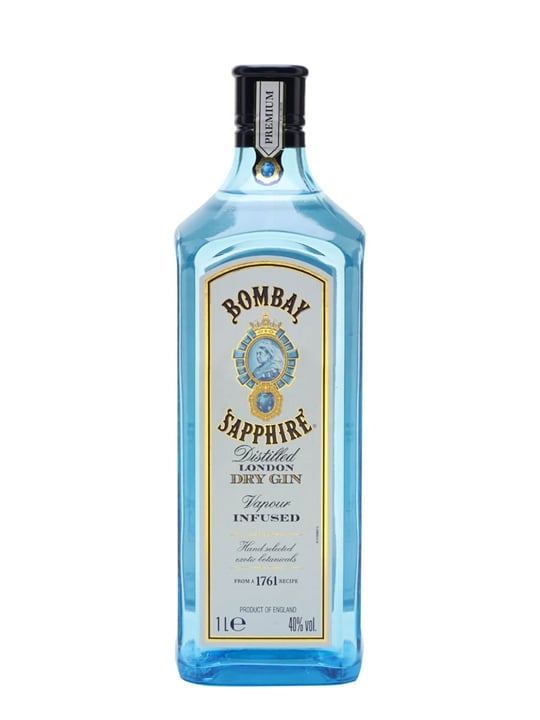
Grains of paradise: A West African spice related to ginger. Adds a unique peppery warmth with hints of citrus and cardamom. Used in Bombay Sapphire and several contemporary gins. If you detect a spice that's peppery but not quite black pepper, this might be your culprit.
The Roots
Orris root: Dried iris root that acts as a fixative (like angelica) and contributes a delicate floral, violet-like quality. It's expensive — orris root must be dried for three to five years before use — and its presence signals a quality-conscious distiller.
Liquorice root: Adds a gentle, rounded sweetness and a smooth mouthfeel. Not the anise-forward liquorice of sweets — in gin, it's more subtle, providing body and a soft finish.
Training Your Palate
The best way to learn botanicals is to taste them individually. Buy a small selection of dried botanicals from a spice supplier — juniper berries, coriander seeds, dried lemon peel, angelica root, and orris root are a good starting kit. Smell and taste each one, then pour a gin you know well and try to identify those flavours in the glass. Do this a few times and you'll be amazed at how quickly your ability to deconstruct a gin's flavour profile improves.
Remember: no one identifies every botanical in every gin. The goal isn't perfection — it's understanding. And understanding makes every glass more interesting.