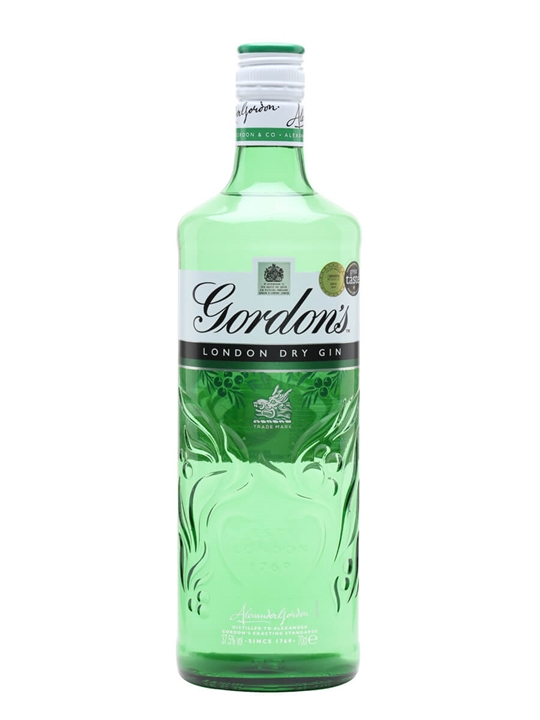

I meet whisky drinkers all the time who tell me they don't like gin. When I ask what they've tried, it's usually Gordon's in a gin and tonic, served badly, at a party ten years ago. That's like judging all whisky based on a plastic cup of blended Scotch. The right gin, served the right way, can be a revelation for whisky lovers — and there are more bridges between the two spirits than most people realise.
Why Whisky Drinkers Should Care About Gin
Gin and whisky share more DNA than you might think. Both are grain spirits. Both rely on careful distillation in copper stills. Both develop their character through the interaction between spirit and flavouring agents — botanicals for gin, oak for whisky. And several gin styles — genever, barrel-aged gin, Old Tom — have flavour profiles that will feel immediately familiar to whisky drinkers.
Start Here: Genever
If you love whisky, genever is your gateway to gin. Made with a malt wine base — essentially a young, unaged whisky — genever has the grainy richness and body that whisky drinkers crave. Bols Genever is the classic starting point: malty, slightly sweet, with juniper playing a supporting role rather than the lead. Drink it neat or slightly chilled, as you would a fine bourbon. If you enjoy that, try Bols Barrel Aged, which spends time in French oak and bridges the gap even further.
The Barrel-Aged Bridge
Barrel-aged gins have been rested in wooden casks, acquiring some of the vanilla, caramel, and spice notes that whisky drinkers associate with aged spirits. The best barrel-aged gins maintain their botanical identity while adding layers of oak-derived complexity.
Try these:
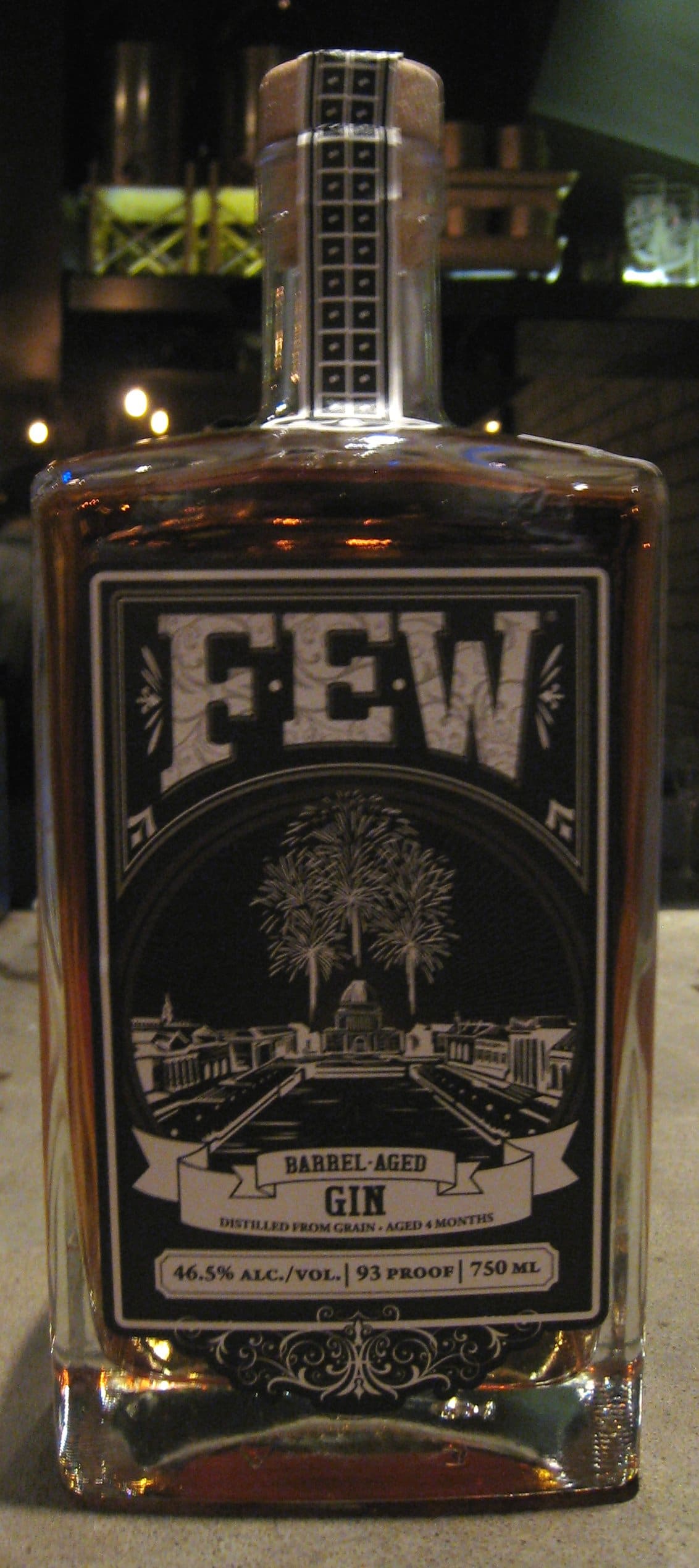
- Few Barrel Gin: Aged in used American oak barrels, with vanilla and light caramel alongside persistent juniper. This drinks like a bourbon that decided to become a gin.
- Hernö Juniper Cask Gin: Aged in casks made from juniper wood, which intensifies the juniper rather than adding whisky-like notes. For whisky drinkers who want to understand what makes gin different.
- Citadelle Réserve: Aged in a solera system using a combination of cherry, acacia, chestnut, mulberry, and cognac casks. The result is richly complex and whisky-adjacent.
Old Tom for Bourbon Lovers
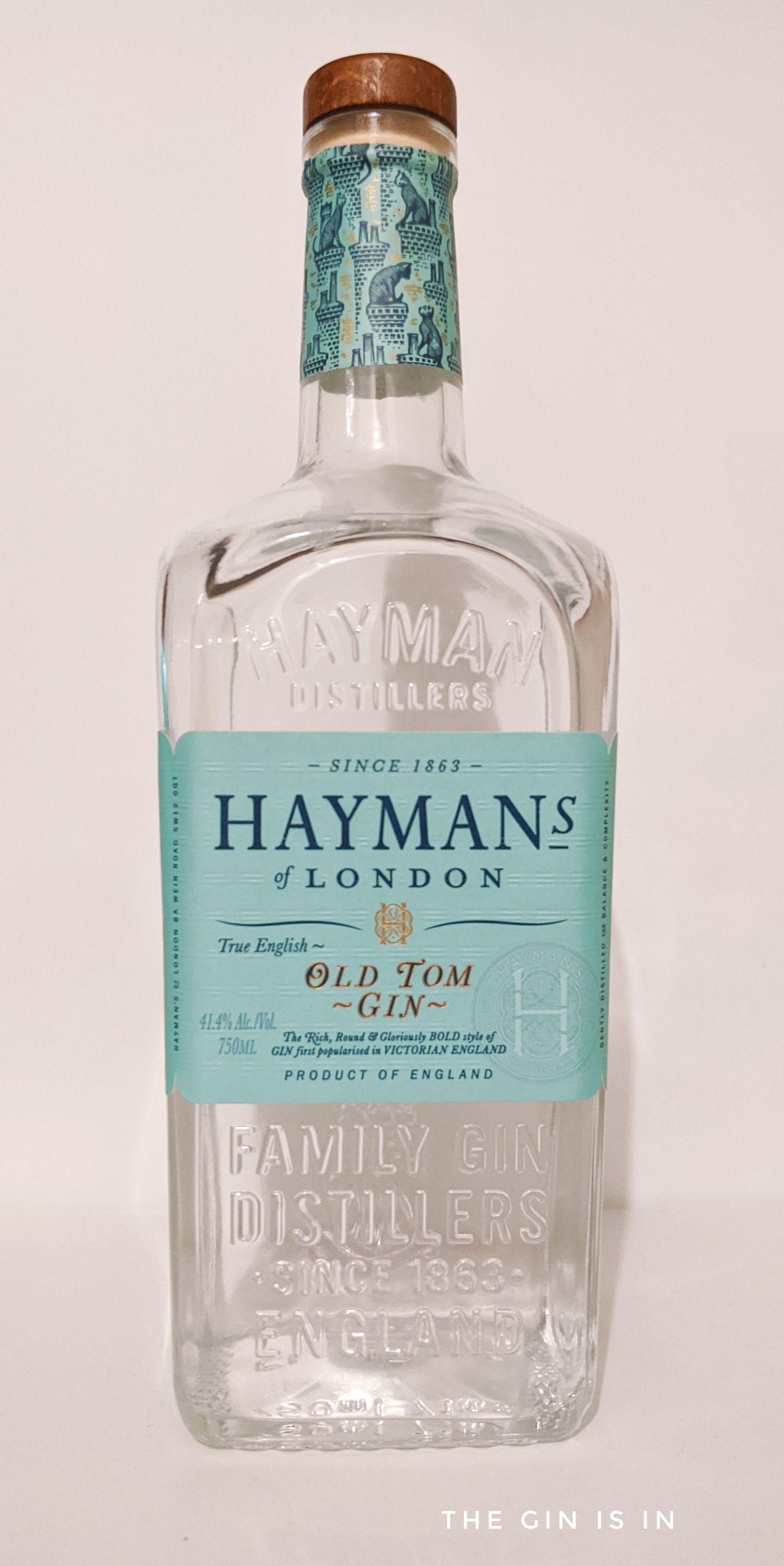
If you enjoy bourbon's sweetness, Old Tom gin is your style. The gentle sweetness of an Old Tom echoes bourbon's corn-derived richness, and the fuller body feels more substantial than the airy lightness of London Dry. Hayman's Old Tom is the definitive version. Serve it in a Martinez cocktail — the gin equivalent of a Manhattan — and watch the light bulb moment happen.
Navy Strength for Peat Heads
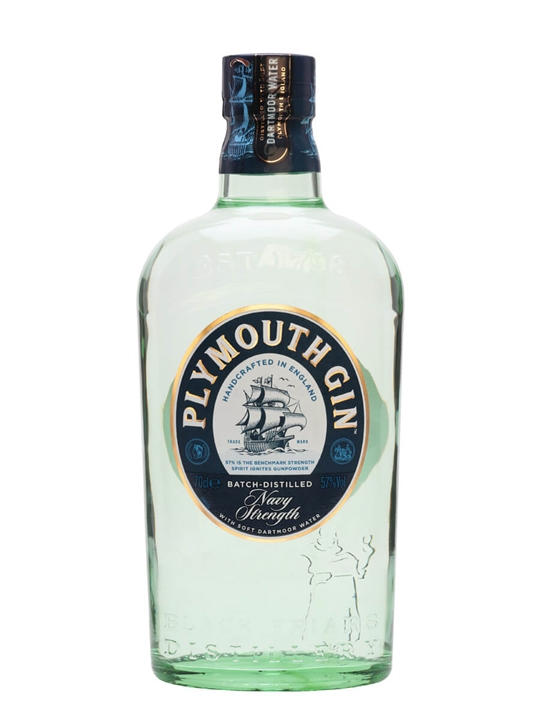
If you gravitate towards big, bold Islay whiskies, Navy Strength gin might be your match. At 57% ABV, these gins deliver the same intensity and mouthfeel that peat lovers enjoy, with botanical complexity standing in for smoky phenols. Try Plymouth Navy Strength or Perry's Tot — both offer the kind of muscular, flavour-packed experience that Laphroaig drinkers will recognise and appreciate.
The Right Serve
Don't start a whisky drinker with a gin and tonic. Start them with gin neat, or with a single large ice cube — the same way they'd approach a new whisky. Let them experience the spirit on its own terms before introducing mixers. Once they're comfortable, move to stirred cocktails (Negroni, Martini, Martinez) rather than shaken or highball serves. These drinks showcase gin's complexity in a way that feels more familiar to someone used to sipping spirits slowly.
The Mental Shift
The biggest barrier for whisky drinkers isn't flavour — it's expectation. Whisky drinkers expect depth, complexity, and a spirit that rewards contemplation. The good news is that the best gins deliver all of this. They simply do it through botanicals rather than oak, through herbal complexity rather than wood-derived warmth. Once a whisky drinker understands that gin is a spirit of equal depth and craft, approached from a different direction, the resistance usually melts away.
Gin isn't trying to replace whisky in anyone's life. It's offering something complementary — a different lens through which to explore what distilled grain spirit can become. For the curious whisky drinker, that exploration is richly rewarding.