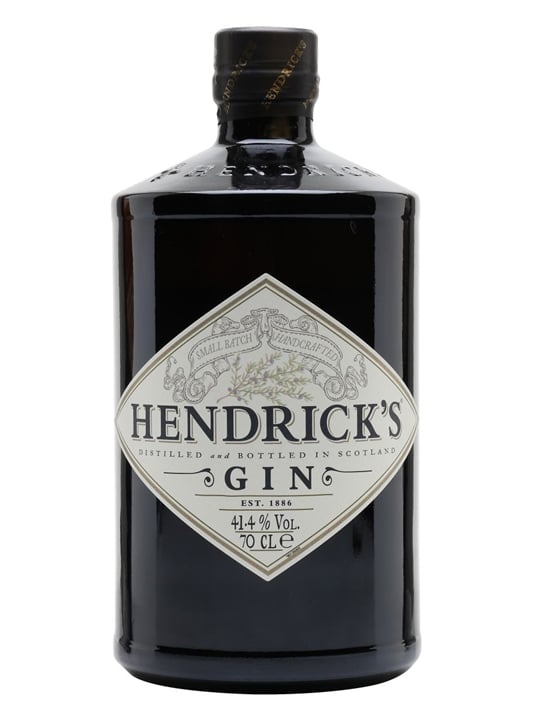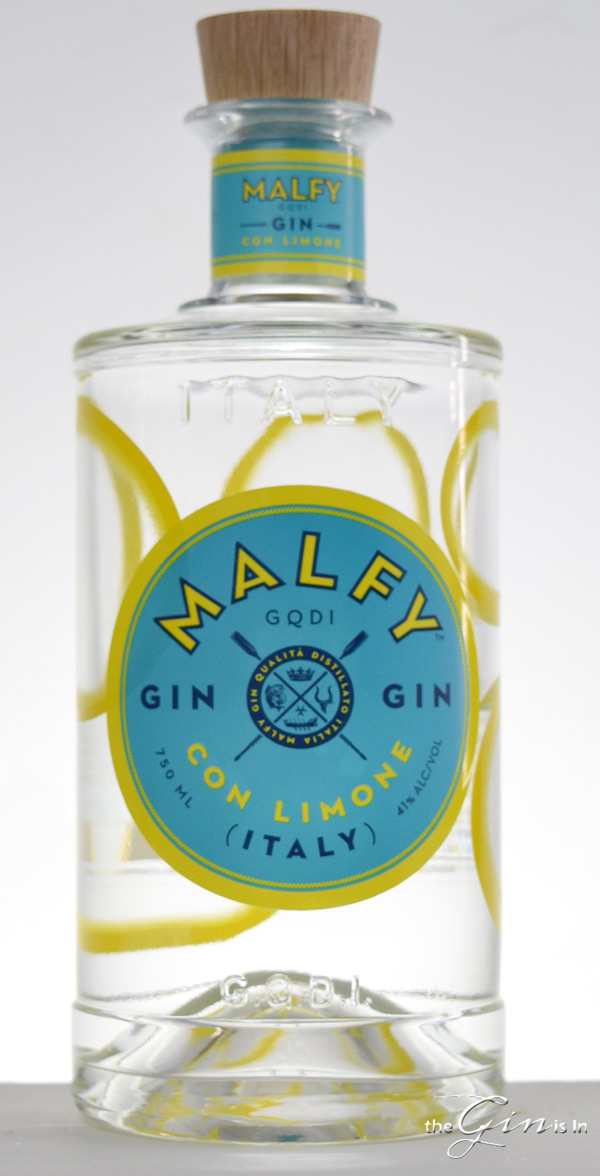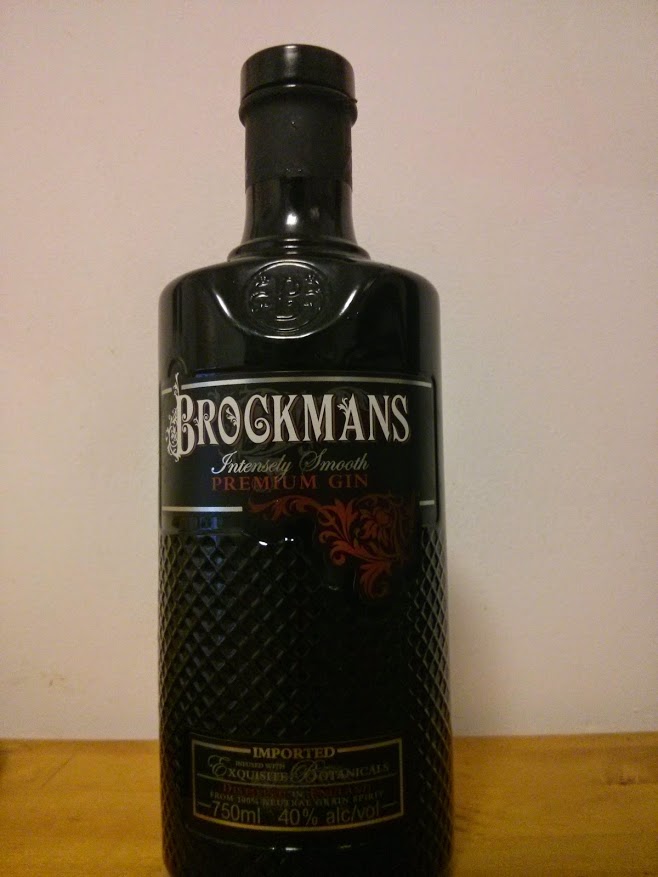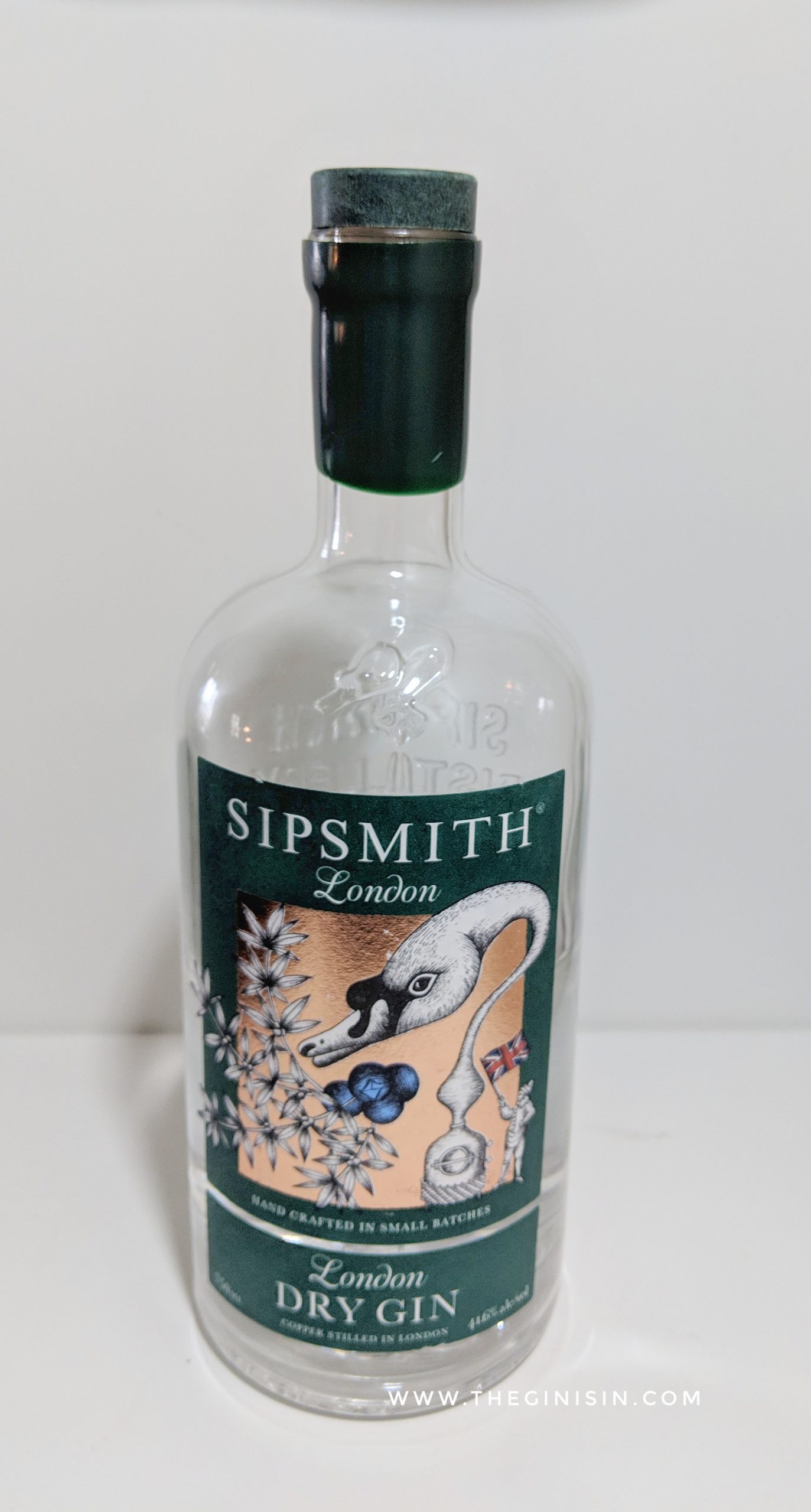

The gin and tonic is the most deceptively simple drink in existence. Two ingredients. Ice. A garnish. And yet the difference between a mediocre G&T and a perfect one is enormous. I've made thousands of them behind professional bars, and every element matters more than you think. Let me walk you through each one.
The Ratio
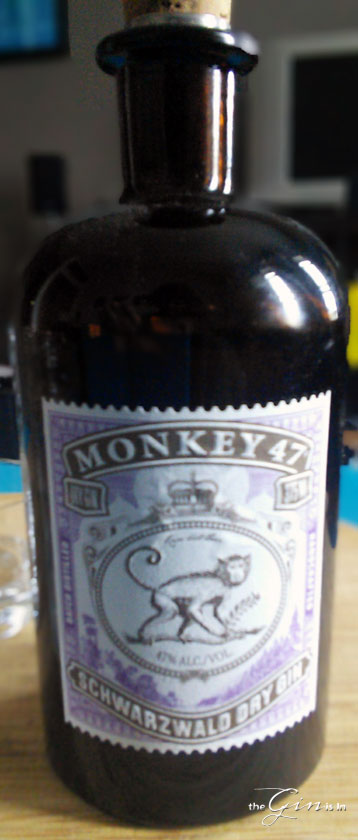
The standard ratio is 1:3 — one part gin to three parts tonic. For a standard serve, that means 50ml gin and 150ml tonic. This is a good starting point, but adjust based on your gin and your preference. A bold London Dry at 47% can handle a 1:4 ratio without losing its character. A delicate contemporary gin at 40% might need a 1:2 ratio to make its presence felt.
The single most common mistake is using too much tonic. When in doubt, err on the side of less tonic — you can always add more, but you can't take it away.
The Ice
Use as much ice as your glass will hold. This is non-negotiable. A glass full of ice stays cold longer and dilutes more slowly than a glass with three sad cubes. The ice should fill the glass completely before you add anything else. Use the largest cubes you can — they melt slower, maintaining the drink's strength and carbonation.
The Glass
A copa glass (the large, balloon-shaped glass) is the ideal vessel for a G&T. The wide bowl gives the aromatics space to develop, and the stem keeps your hand away from the drink, preventing it from warming. If you don't have a copa, a large wine glass works well. A highball is acceptable but inferior — the narrow opening concentrates the alcohol vapour and loses the aromatic display.
The Tonic
This matters as much as the gin. A poor tonic will ruin a great gin. Here's what to look for:
- Fever-Tree Indian Tonic: The benchmark. Clean, balanced quinine bitterness, fine bubbles. Works with almost any gin.
- Fever-Tree Mediterranean: Lighter, more herbal. Better with delicate or floral gins.
- East Imperial Burma: Drier and more intensely bitter. Excellent with robust London Drys.
- Schweppes 1783: A premium option that's widely available. More sugar than Fever-Tree but still good.
Buy small bottles (200ml). A 500ml bottle opened for two drinks will be flat for the second. Carbonation is crucial — flat tonic produces a flat drink.
The Build
The order and method matter:
- Fill your glass completely with ice.
- Pour 50ml of gin over the ice.
- Swirl the glass gently to chill the gin.
- Pour 150ml tonic slowly down the inside of the glass, not directly onto the gin. This preserves the carbonation — pouring from height or into the centre of the glass knocks the bubbles out.
- Give one gentle stir with a bar spoon or chopstick. One stir. Not a vigorous mixing — just enough to integrate.
- Add your garnish.
The Garnish
The garnish should complement the gin's botanical profile, not fight it. Here are reliable pairings:
- London Dry gin: Lemon twist or wedge. Classic for a reason.
- Hendrick's / cucumber-noted gins: Cucumber ribbon or slice.
- Citrus-forward gins: Grapefruit slice or orange wheel.
- Herbal gins: Rosemary sprig or thyme.
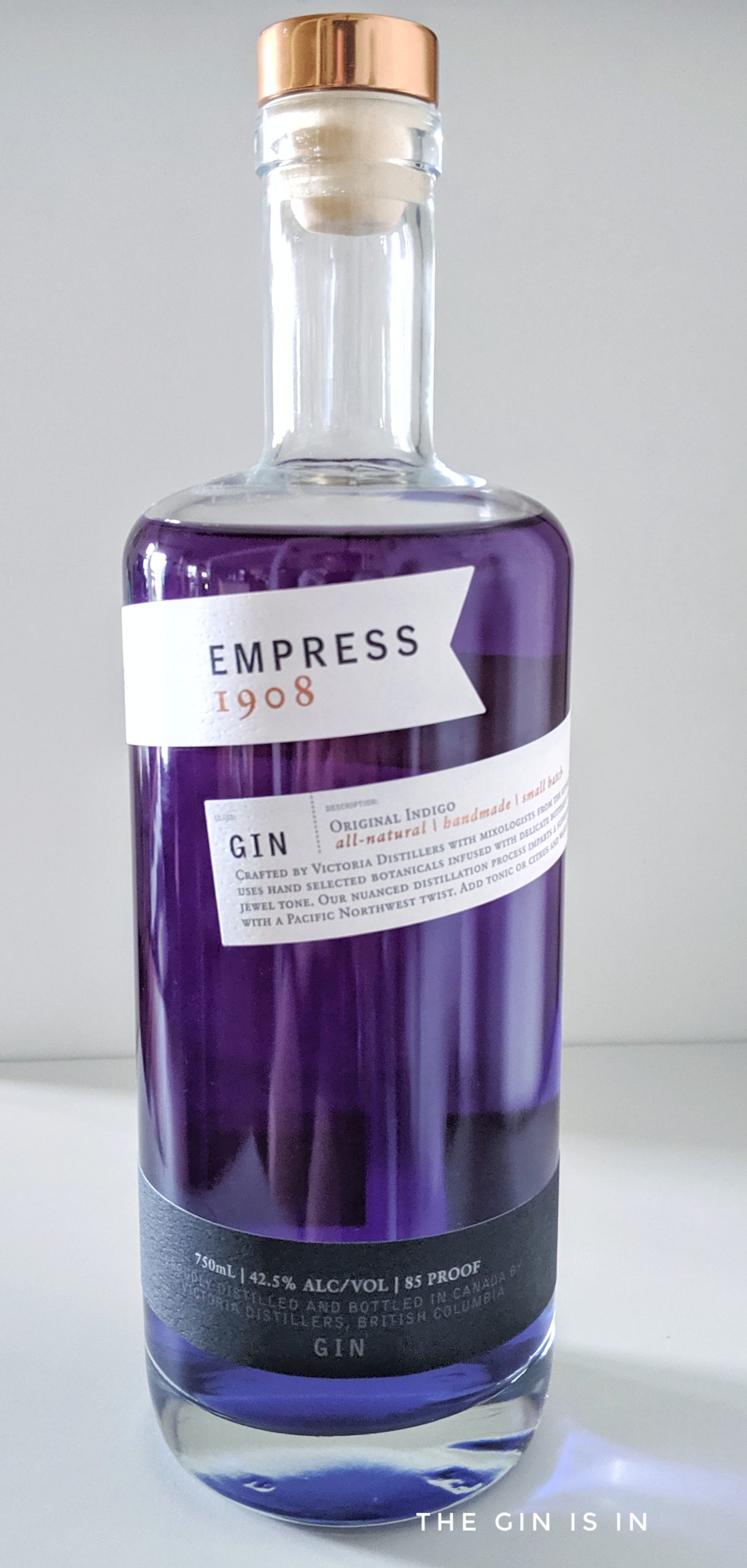
- Floral gins: Edible flowers, lavender, or a lemon twist.
- Spice-forward gins: Pink peppercorns, star anise, or a cinnamon stick.
Temperature
Everything should be cold. Chill your glass in the freezer for ten minutes before building the drink. Use tonic straight from the fridge. The colder the drink, the crisper the carbonation and the more refreshing the result. A warm G&T is a sad G&T.
What Not to Do
Don't squeeze citrus into the drink unless you want the juice — the expressed oils from a twist are usually enough. Don't use diet tonic unless you genuinely prefer it — the artificial sweeteners change the flavour profile significantly. Don't use gin you wouldn't drink neat — if it tastes bad on its own, tonic won't save it. And don't rush. A properly made G&T takes about ninety seconds. That investment of time pays enormous dividends in the glass.