
I get asked about gin storage more than almost any other topic, and the good news is simple: gin is one of the most resilient spirits you can own. But there are nuances worth understanding, particularly when it comes to open bottles, vermouth, and the various modifiers that make up your cocktail shelf. Here is everything you need to know.
Sealed Bottles
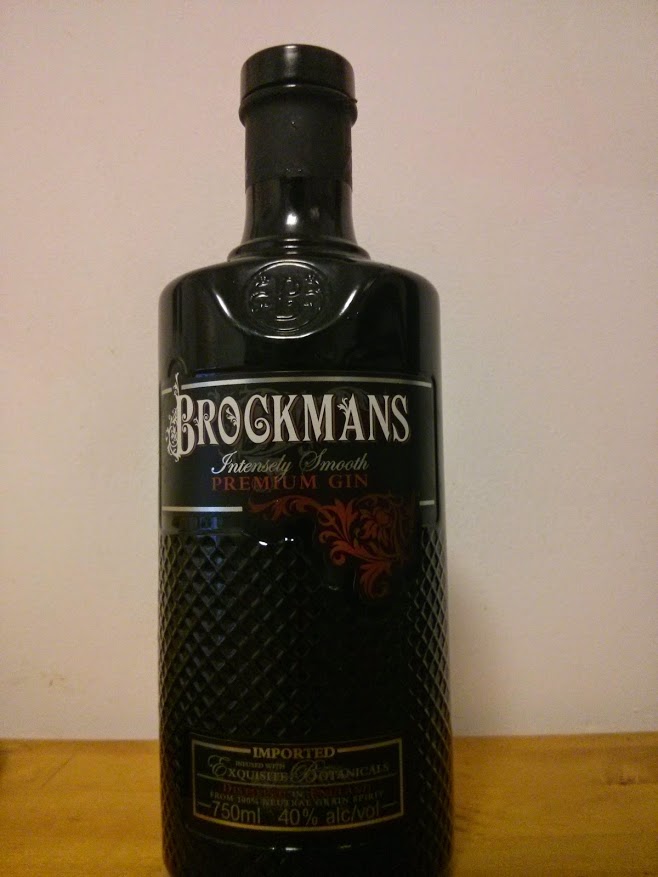
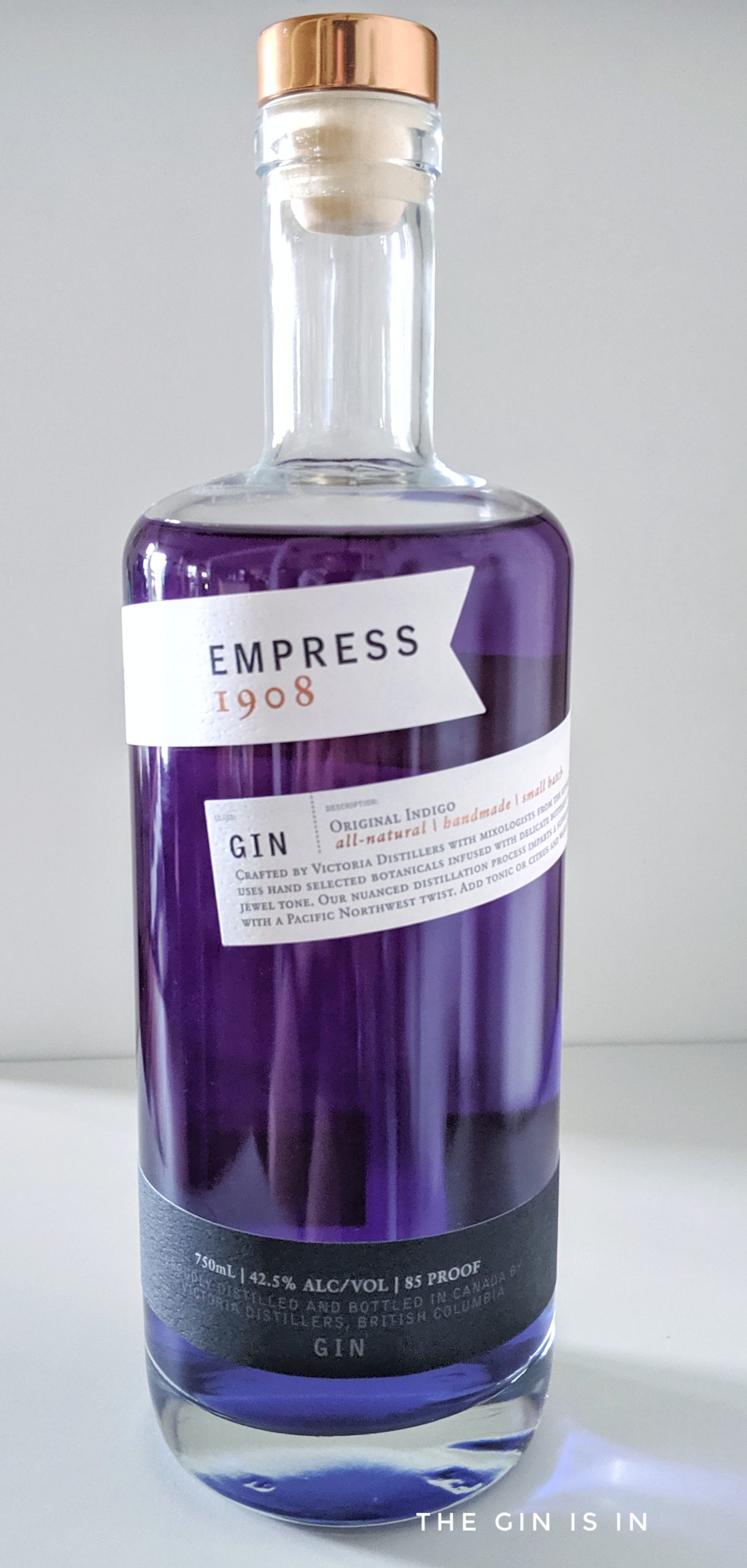
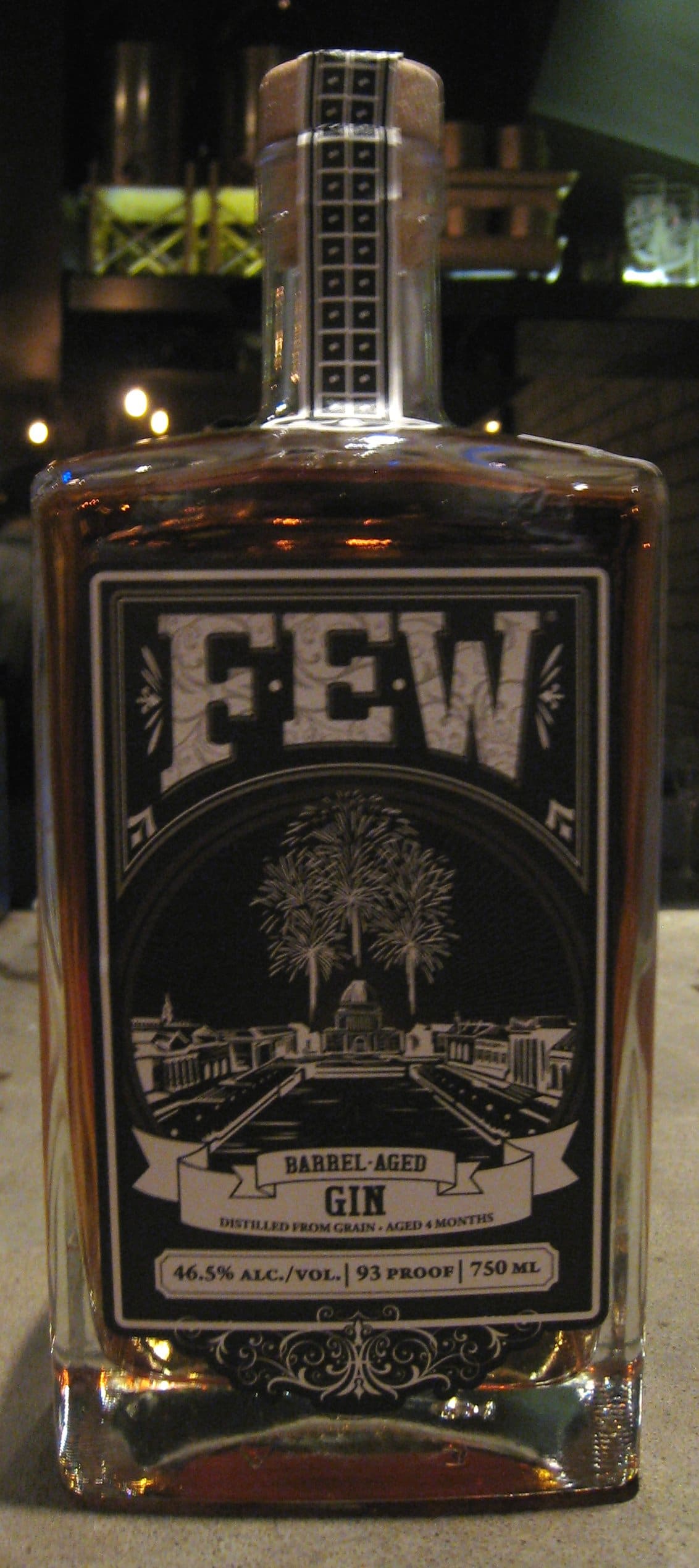
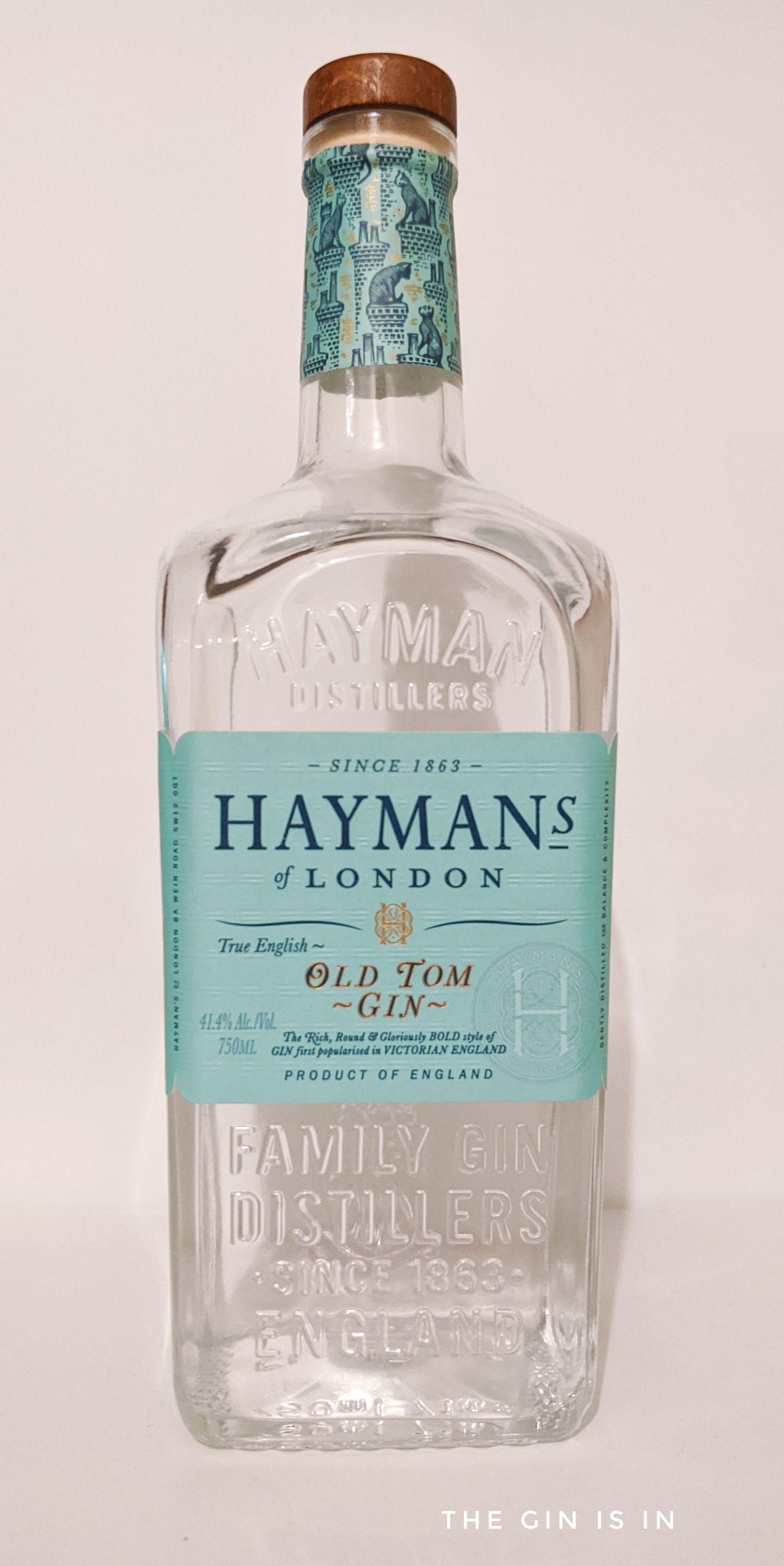
An unopened bottle of gin has an essentially indefinite shelf life. The high alcohol content (typically 37.5-57% ABV) prevents microbial growth, and the sealed bottle prevents oxidation. You could open a sealed bottle of gin twenty years from now and it would taste identical to the day it was bottled. Store sealed bottles upright (the alcohol can degrade cork over time if stored horizontally) in a cool, dark place. A cupboard, a shelf away from direct sunlight, or a dedicated spirits cabinet are all fine.
Opened Bottles
Once opened, gin begins to change — but slowly. The primary enemy is oxidation. Each time you open a bottle, you introduce fresh oxygen, which gradually alters the aromatic compounds in the gin. The practical impact is that an opened bottle of gin will taste noticeably different after about eighteen to twenty-four months, with the top notes (citrus, florals) fading first and the heavier botanicals (juniper, angelica) persisting longer.
However, "different" does not necessarily mean "bad." An opened bottle of London Dry gin stored properly will still be perfectly drinkable — and perfectly safe — for several years. The changes are subtle and gradual rather than dramatic.
To minimise oxidation: keep the cap tightly sealed between uses. Store the bottle away from heat sources (ovens, radiators, sunny windowsills). If you're working through a bottle slowly, consider transferring the remaining gin to a smaller bottle to reduce the air space above the spirit.
Temperature Considerations
Heat accelerates the degradation of aromatic compounds. Don't store gin next to the oven or in a non-air-conditioned garage in summer. Room temperature (18-22°C) is perfectly fine. You can store gin in the freezer if you prefer it ice-cold — the alcohol content prevents it from freezing (at least at standard domestic freezer temperatures of -18°C). Some people enjoy frozen gin; others feel that extreme cold suppresses the aromatics. It's a matter of preference.
Vermouth: The Critical Exception
Vermouth is the most important thing in your gin bar to store correctly, because it is the most perishable. Vermouth is a fortified wine — it has a relatively low alcohol content (typically 15-18% ABV), and like all wines, it oxidises relatively quickly once opened.
Once opened, store vermouth in the refrigerator. Use it within four to six weeks. After that, it will begin to taste flat, oxidised, and brownish — and it will make your Martinis and Negronis taste correspondingly flat. If you don't drink Martinis frequently, buy half-bottles (375ml) of vermouth so you can use them up within the recommended window.
If you want to extend vermouth's life further, consider using a vacuum wine stopper (like a Vacu Vin) or transferring the remaining vermouth to a smaller bottle. Some enthusiasts even use inert gas sprays (like Private Preserve) to displace the oxygen in the bottle. These measures can extend the life of opened vermouth to two to three months, but eventually oxidation will win.
Other Modifiers
Campari and aperitif liqueurs: These are high-sugar, moderate-alcohol spirits that are relatively stable. An opened bottle of Campari will last a year or more without significant change. Store at room temperature.
Tonic water: Use within 24 hours of opening. Flat tonic produces flat drinks. Always buy small bottles (200ml) unless you're making multiple drinks at once.
Citrus juice: Always use fresh. Bottled lime and lemon juice are poor substitutes. Fresh citrus juice deteriorates within hours — squeeze it the same day you plan to use it.
Simple syrup: Homemade simple syrup (1:1 sugar and water) lasts about two weeks in the refrigerator. Adding a small amount of vodka (30ml per 250ml of syrup) extends this to about a month. Rich simple syrup (2:1 sugar and water) lasts longer due to higher sugar concentration.
When to Discard
Gin: almost never — it's safe to drink indefinitely, though it may taste less vibrant over time. Vermouth: if it tastes flat or vinegary, replace it. Tonic: if it's flat, it's useless. Citrus: if it's yesterday's juice, squeeze fresh. The most common mistake is not discarding old vermouth — and it's the mistake that most damages the quality of your drinks.