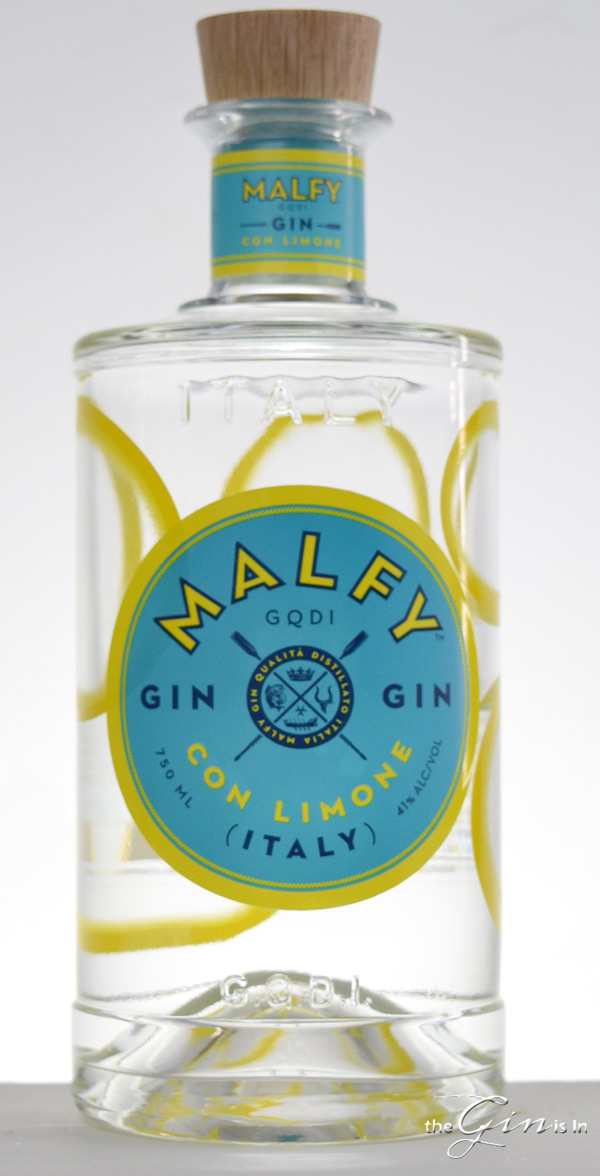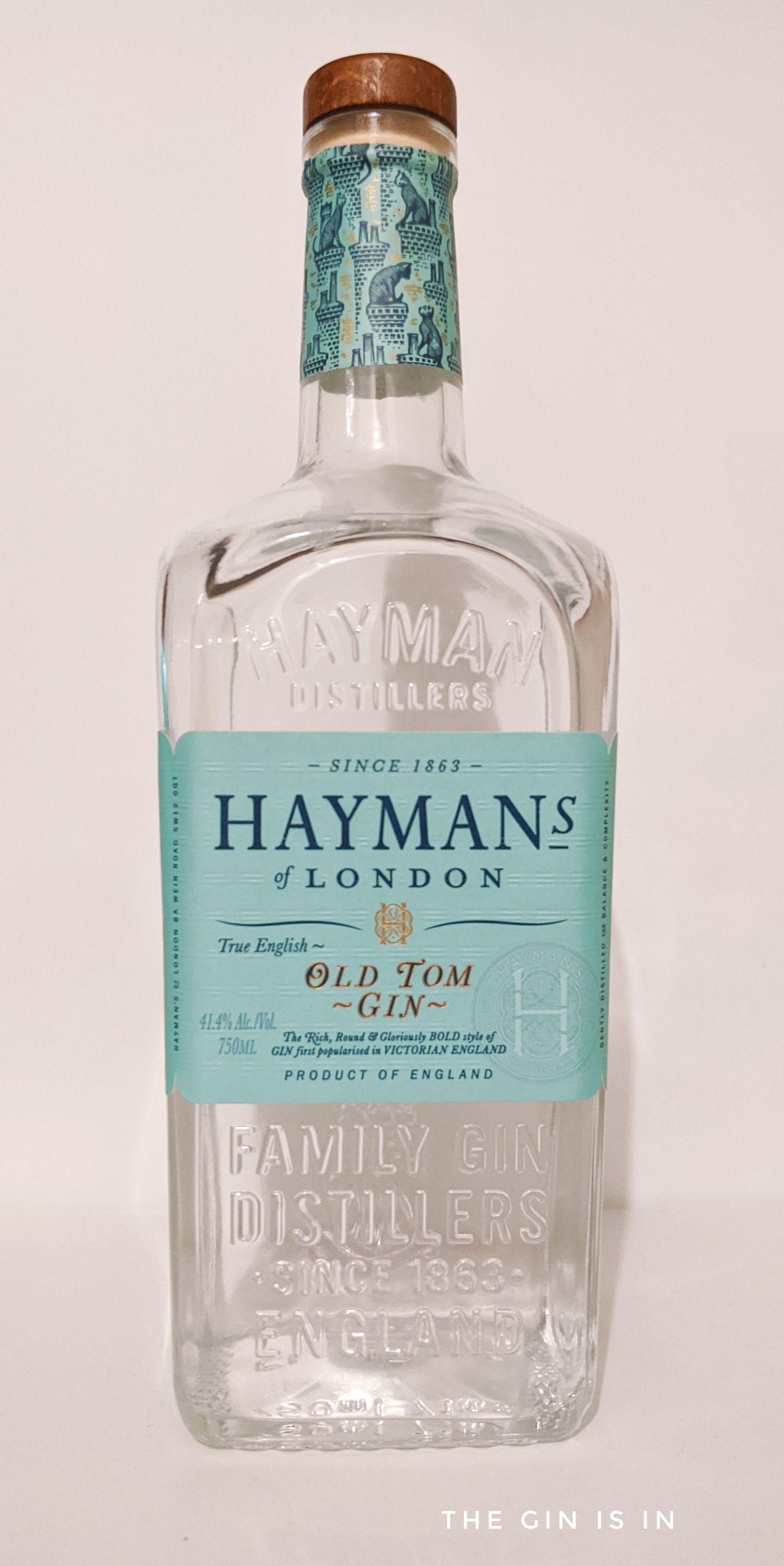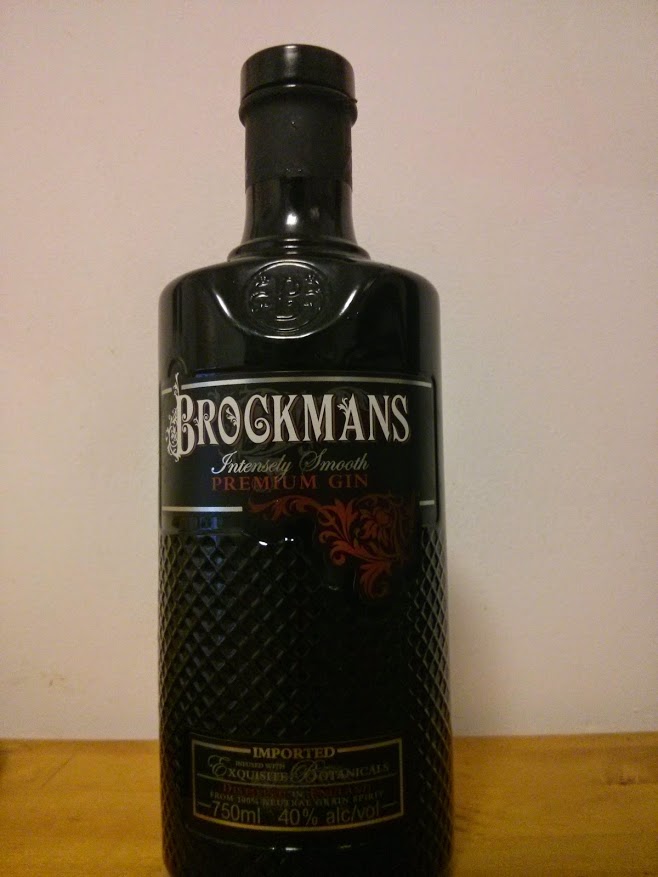
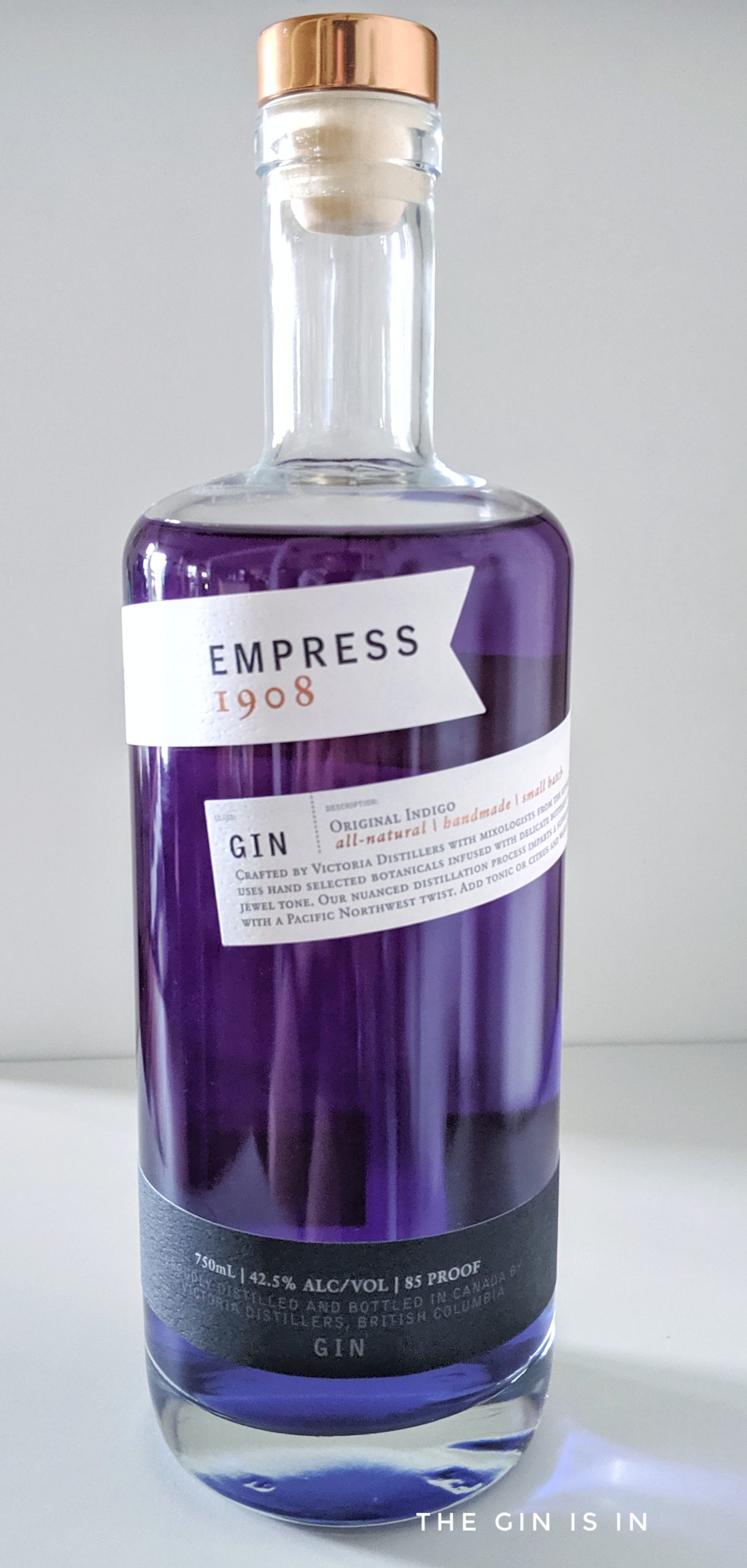

A garnish isn't decoration. Let me say that again for the people at the back: a garnish is not decoration. In a well-made gin drink, the garnish is a functional ingredient that interacts with the spirit, the mixer, and your senses to create a complete drinking experience. Get it right, and you elevate good into great. Get it wrong, and you can genuinely diminish an otherwise excellent serve.
After six years behind a Michelin-starred bar, I can tell you that more thought goes into garnish selection than most drinkers realise. Here's how to think about it properly.
The Principles
Complement, don't compete. Your garnish should echo or enhance flavours already present in the gin, not introduce entirely new ones that fight for attention. A juniper-heavy London Dry loves a citrus garnish because citrus is almost always part of the botanical bill. A floral gin pairs beautifully with cucumber or a rosemary sprig because those ingredients share aromatic compounds with common gin botanicals.
Aroma matters more than taste. Most of what we perceive as flavour is actually aroma. When you raise a glass to your lips, your nose passes through the garnish's aromatic zone before the liquid reaches your mouth. A well-placed garnish scents every single sip.
Less is more. One or two garnish elements, chosen with intention, will always outperform a fruit salad balanced precariously on the rim of your glass.
The Essential Garnishes
Lemon peel or wheel: The universal gin garnish. A twist of lemon peel, expressed over the surface of the drink to release its oils, is appropriate for virtually any London Dry gin. The key technique is to hold the peel over the drink, skin-side down, and give it a firm twist to spray the citrus oils across the surface. Then run the peel around the rim of the glass before dropping it in.
Lime wheel: Best with more robust, juniper-forward gins — particularly Navy Strength or gins you're serving with tonic. Lime's sharpness cuts through sweetness and adds a bright, tropical edge.
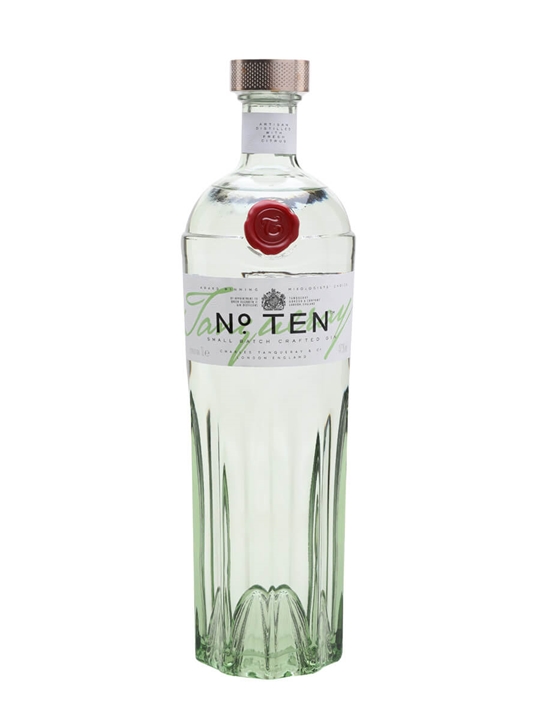
Grapefruit peel: Brilliant with contemporary gins that feature grapefruit in their botanical bill (Tanqueray No. Ten is the classic example). Pink grapefruit adds a touch of bitterness that works wonderfully in a G&T.
Orange peel: Ideal for spicier, warmer gins — those featuring cassia, cinnamon, or cardamom. Orange's sweetness bridges the gap between the gin's spice notes and the tonic's quinine bitterness.
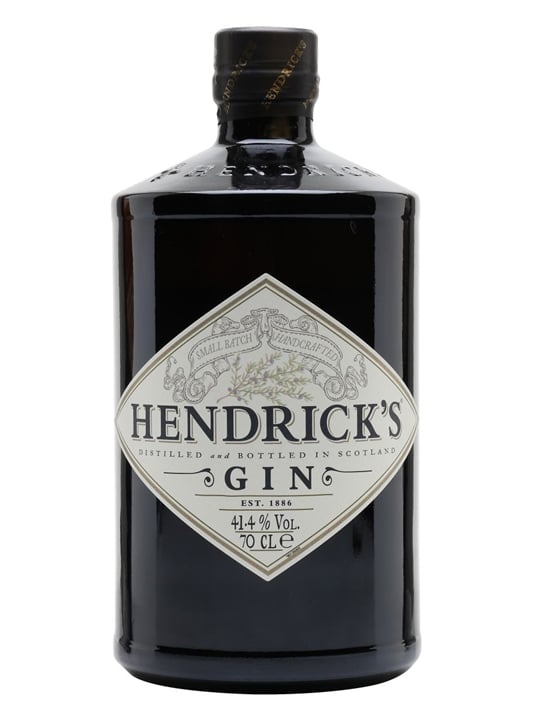
Cucumber: The go-to garnish for Hendrick's, but it works with any gin that has a fresh, green, or floral character. Use a ribbon peeled lengthways with a vegetable peeler for maximum aroma and visual impact.
Advanced Garnishes
Fresh herbs: Rosemary, thyme, basil, and mint all have their place. Rosemary works beautifully with Mediterranean-style gins. Thyme is wonderful with earthy, herbal gins. Basil pairs surprisingly well with citrus-forward contemporary gins. Always gently clap the herb between your palms before adding it — this bruises the leaves and releases the essential oils.
Whole spices: A star anise, a cinnamon stick, or a few juniper berries can be effective with spice-driven gins, particularly in winter serves. Black peppercorns work brilliantly with gins like Opihr or Gunpowder Irish Gin.
Edible flowers: Use sparingly and only when they genuinely complement the gin. Dried hibiscus with berry-forward flavoured gins. Lavender with floral gins. Chamomile with Tanqueray No. Ten. The key is subtlety — one or two blossoms, not a bouquet.
Dehydrated citrus wheels: These have become increasingly popular, and for good reason. Dehydrating concentrates the flavour and gives you a garnish that lasts the entire drink without going soggy. You can make them at home by slicing citrus thinly and baking at 90°C for 2-3 hours.
Matching Garnish to Gin Style
London Dry: Lemon peel, lime wheel, or grapefruit peel. Keep it classic.
Contemporary: Cucumber, fresh herbs, or grapefruit. Match to the specific botanical profile.
Old Tom: Orange peel or a cinnamon stick. The sweetness benefits from warm, rounded garnishes.
Navy Strength: Lime wedge or lemon peel. These gins can handle bold citrus.
Flavoured: Echo the flavour — blood orange slice for blood orange gin, fresh strawberry for strawberry gin.
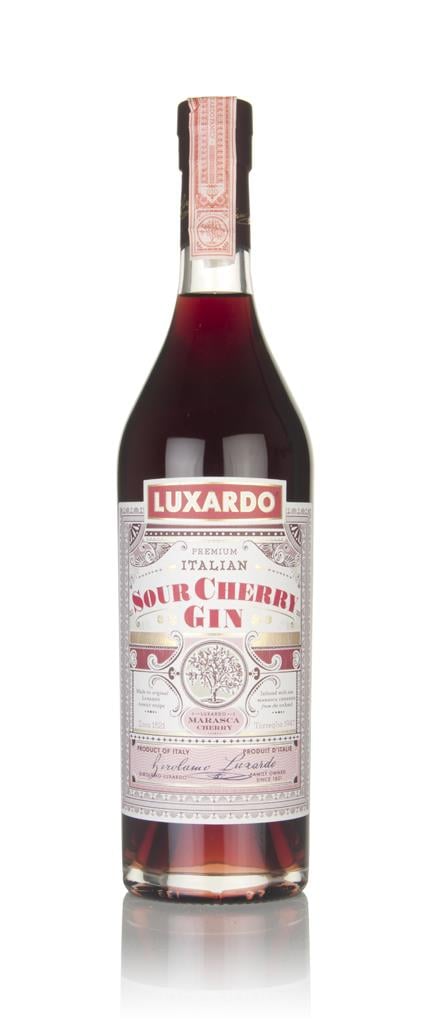
Barrel-Aged: Orange peel or a Luxardo cherry. Treat these like you would a whisky serve.
Sloe: A thin apple slice or a sprig of rosemary. Autumnal flavours complement the berry notes.
Common Mistakes
Don't use wet, wilting garnishes. Don't overwhelm a delicate gin with a powerful garnish. Don't use dried herbs that have lost their aroma. And for the love of all things botanical, don't put a strawberry in a London Dry G&T — it adds nothing and looks like you're trying too hard.
A great garnish should feel inevitable — as if that gin and that garnish were always meant to be together. Take a moment to smell your gin neat, think about what's already there, and then choose something that amplifies it. That's all there is to it.