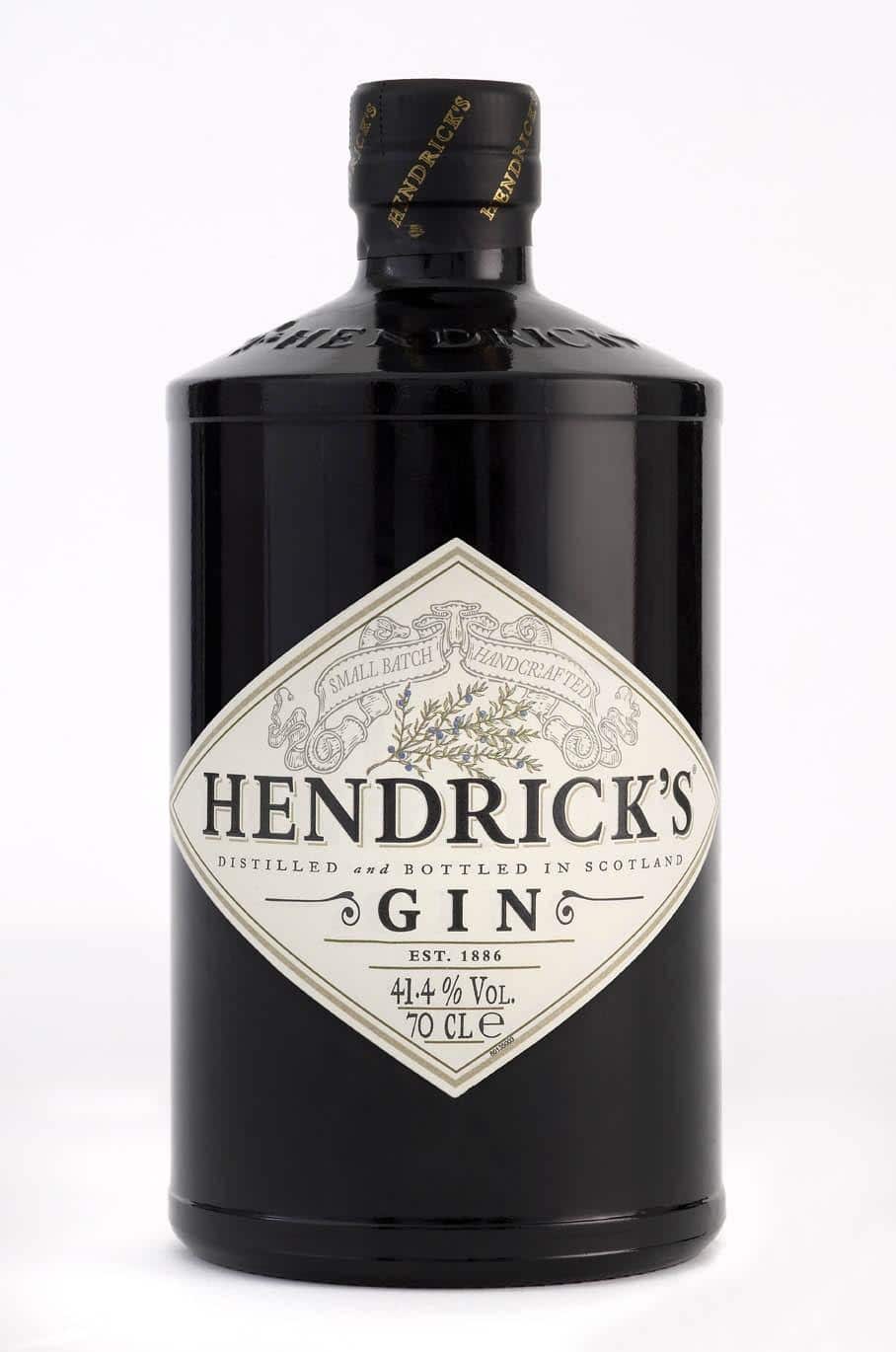

The Martini is a paradox: two ingredients, seemingly infinite opinions. Dry or wet? Stirred or shaken? Olive or twist? Gibson or dirty? Every bartender has a preference, every drinker has a conviction, and the arguments have been raging since the drink first appeared in the late 19th century.
Let me cut through the noise. Here's how to make an excellent gin Martini, and how to find the version that's right for you.
The Foundation: Choosing Your Gin
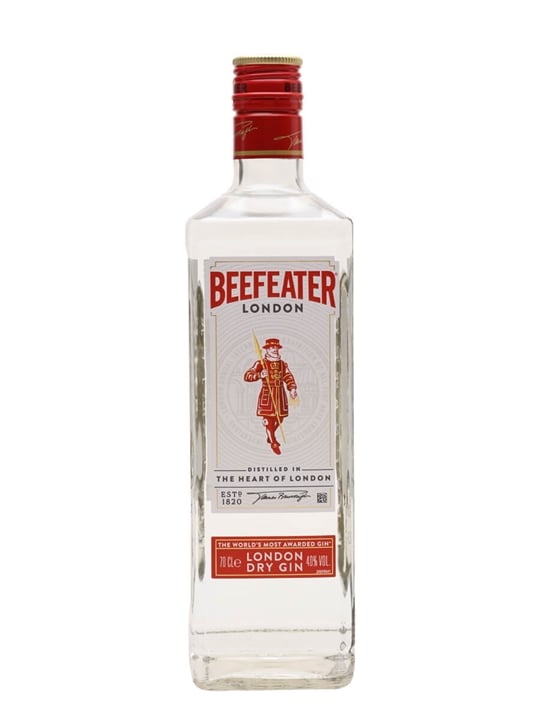
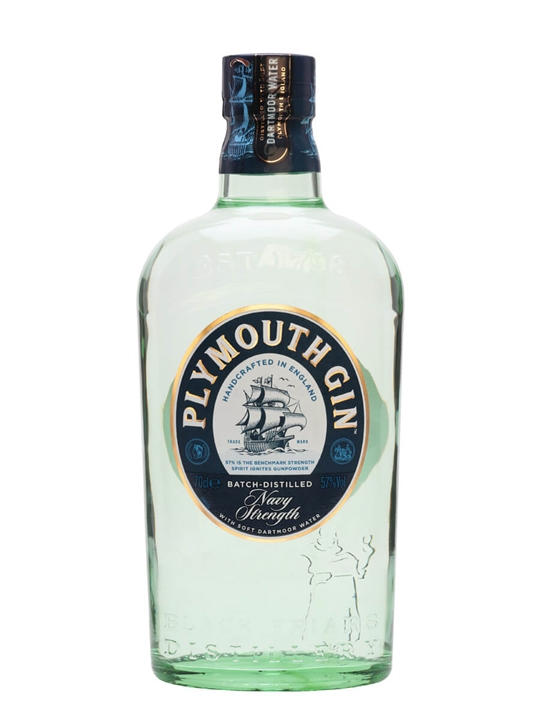
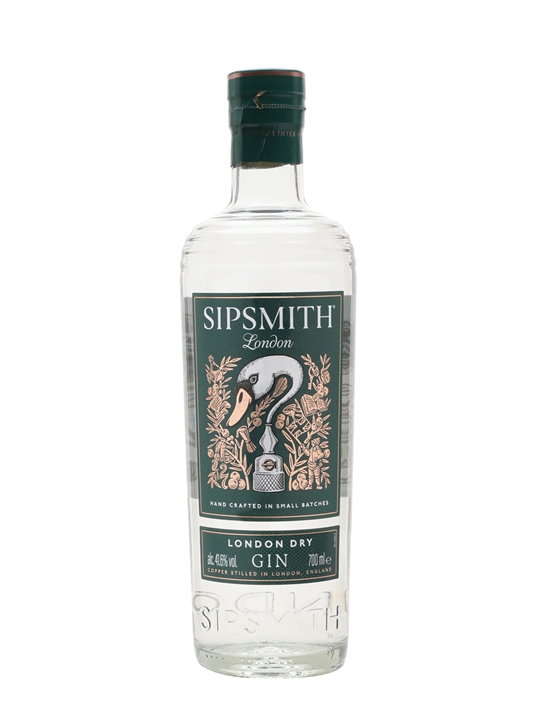
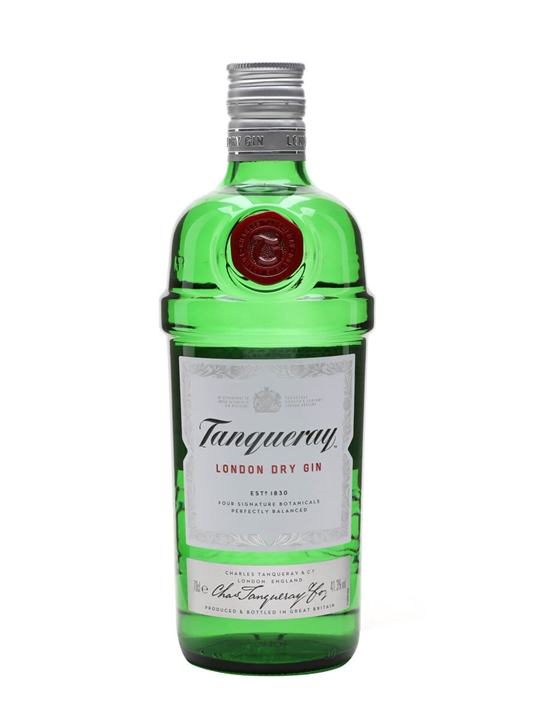
Not all gins work equally well in a Martini. You want a gin with strong juniper presence and enough botanical complexity to remain interesting when served essentially neat (which is what a dry Martini is). London Dry gins are the classic choice — Beefeater, Tanqueray, and Sipsmith all excel here. Plymouth makes a softer, rounder Martini. Navy strength gins create a more intense experience that I love but acknowledge isn't for everyone.
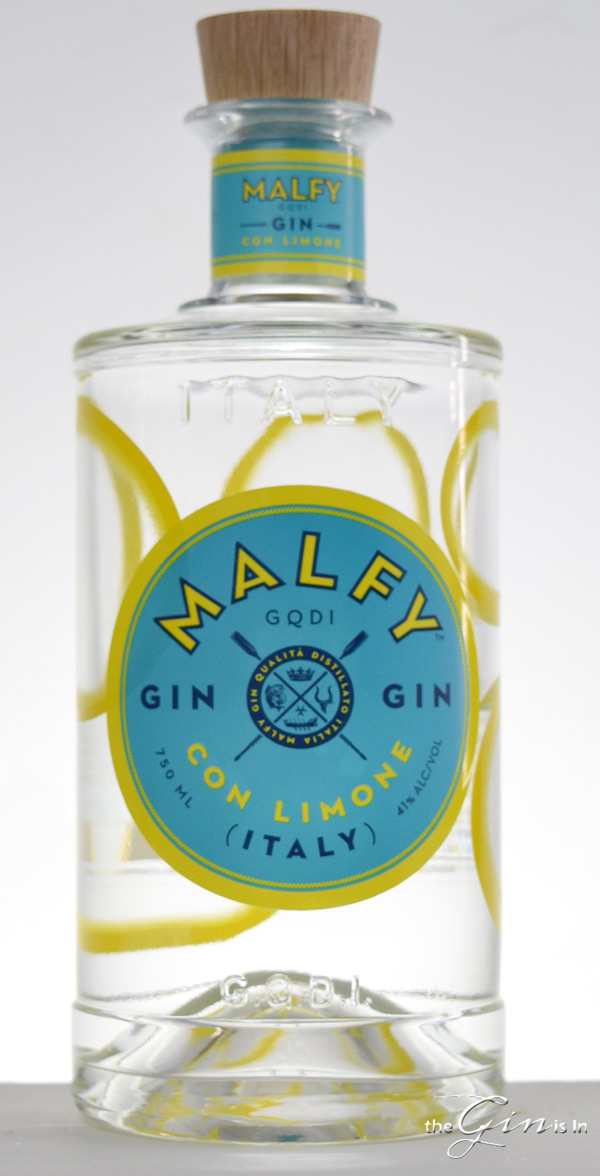
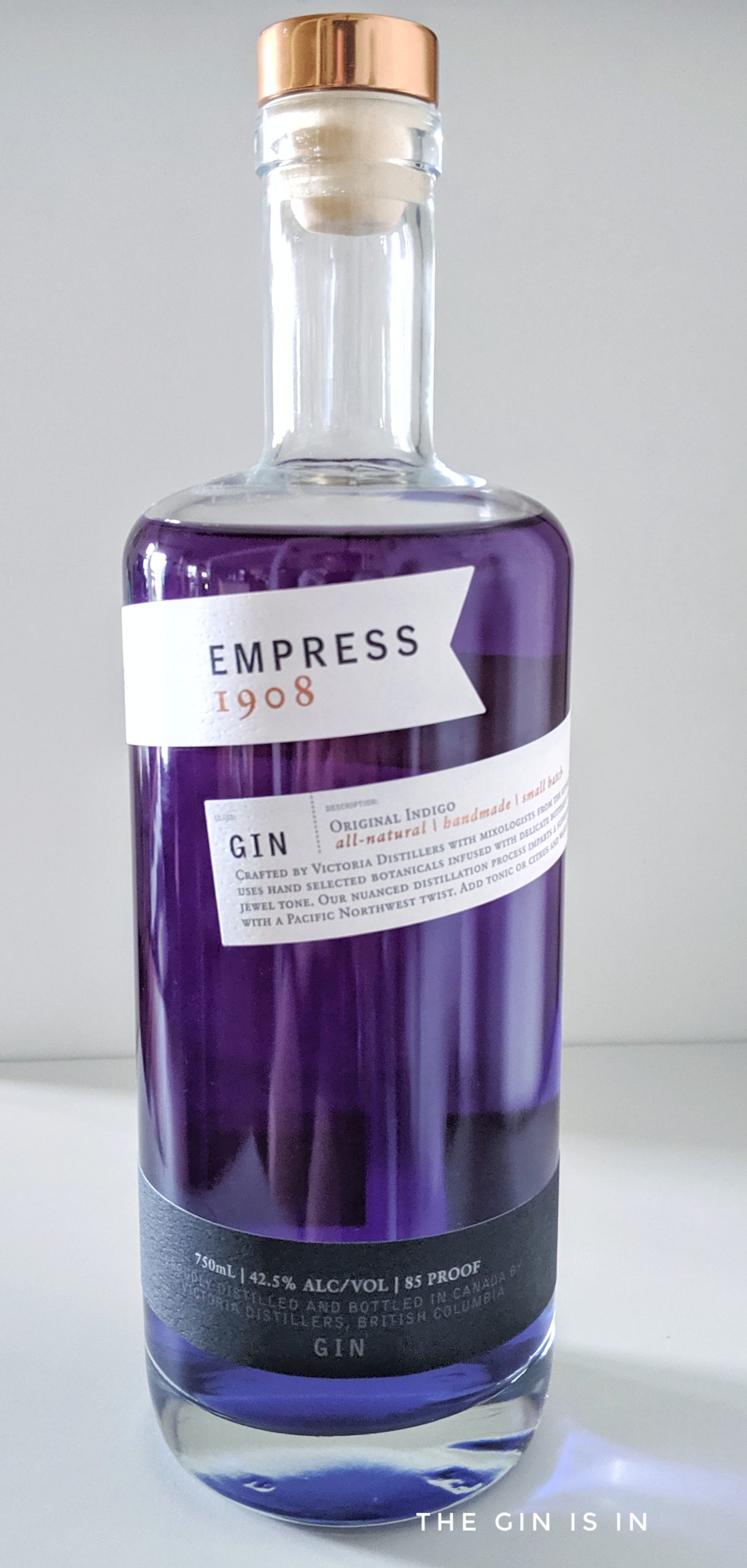
Contemporary gins with subdued juniper often get lost in a Martini. Save those for G&Ts, where the mixer provides more support.
The Vermouth Question
Vermouth is not optional. A glass of cold gin is not a Martini — it's a glass of cold gin. The vermouth is what makes the cocktail, providing sweetness, herbal complexity, and a rounding quality that transforms the drink from austere to elegant.
Here are the standard ratios:
Wet Martini (2:1): Two parts gin to one part vermouth. This is close to the original 19th-century recipe and produces a drink with real vermouth presence — herbaceous, slightly sweet, and beautifully balanced. If you think you don't like Martinis, try a wet one — you might be surprised.
Classic (4:1): My personal sweet spot. The gin leads, but the vermouth is clearly present, adding depth and smoothness. This is what I'd make for someone who says "I'll have a Martini" without further specification.
Dry (6:1 to 8:1): The vermouth becomes more of a seasoning than an ingredient. The gin character dominates, with vermouth providing subtle background complexity.
Extra Dry (rinse): Swirl vermouth around the glass, discard the excess, then add gin. This gives you the faintest whisper of vermouth — enough to distinguish the drink from neat gin, but only just.
The Churchill (none): Winston Churchill reportedly liked to pour gin while "glancing at a bottle of vermouth across the room." This is effectively neat gin and, in my professional opinion, not actually a Martini.
The Technique
Stirring vs. Shaking: Stir. Always stir. I know Bond said otherwise, but shaking a Martini introduces air bubbles that cloud the drink and alter the texture. A properly stirred Martini is crystal-clear, silky, and ice-cold. Stir with a long bar spoon for about 30-40 seconds — you want thorough chilling and dilution without aeration.
Temperature matters: Your glass should be chilled. Your gin should ideally be room temperature (not frozen — frozen gin is too viscous and doesn't mix properly with vermouth). Use plenty of ice in your mixing glass — more ice means faster chilling with less dilution.
Strain confidently: Use a Hawthorne strainer or the built-in strainer on your mixing glass. Strain into a chilled coupe or Martini glass. A coupe is more practical (harder to spill) and looks equally elegant.
The Garnish
Lemon twist: The classic. Express the oils over the surface, run the peel around the rim, and drop it in. The citrus oils add a bright, aromatic dimension that complements juniper beautifully.
Olive: Creates a savoury, more saline Martini. Use quality cocktail olives — Castelvetrano or similar. One or three olives (never two, by superstition).
Gibson (cocktail onion): Technically a different cocktail, the Gibson uses a pickled cocktail onion instead of an olive or twist. It's savoury and slightly sweet — an underrated variation.
Variations Worth Knowing
Dirty Martini: Add a splash of olive brine. Savoury, briny, and divisive — you either love it or you don't.
Vesper: Bond's actual recipe from Casino Royale: 3 parts gin, 1 part vodka, half part Lillet Blanc, shaken (in this case, the shaking is canonical). A stronger, more complex drink than the standard Martini.
Reverse Martini: Flip the ratio — more vermouth than gin. Surprisingly delicious and significantly lower in alcohol. A brilliant aperitivo serve.
50/50 Martini: Equal parts gin and vermouth. Julia Child's preference. A wonderfully balanced drink that showcases vermouth as a co-star rather than a supporting player.
The Final Word
There is no "correct" Martini. There is only your Martini — the combination of gin, vermouth, ratio, and garnish that makes you happiest. The journey to finding it is one of the great pleasures of drinking, and every Martini you make teaches you something about your own palate.
Start with a 4:1 ratio, a quality London Dry, Dolin vermouth, and a lemon twist. Adjust from there. And remember: the best Martini is the one in your hand.