

First Impressions
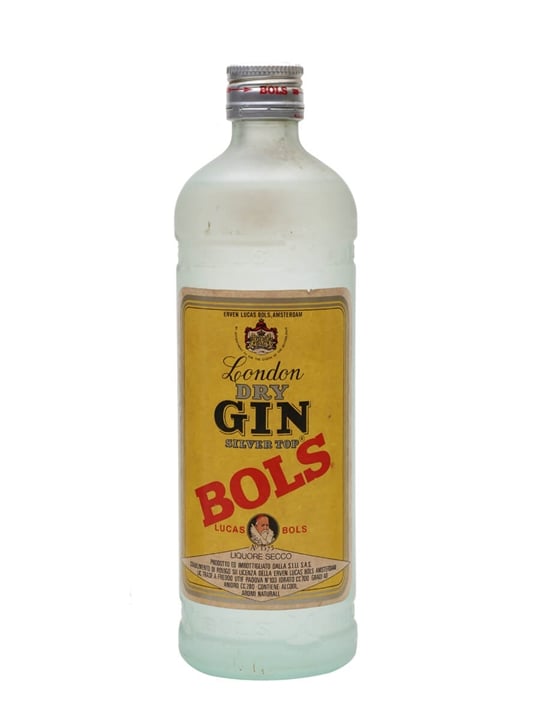
Every gin drinker should try genever at least once, because genever is where gin began. Before British soldiers brought "Dutch courage" home from the Low Countries in the 17th century, before London Dry became the global standard, there was genever — a malt-wine-based spirit flavoured with juniper and spices. Bols has been making it since 1664, which gives them a claim to historical authority that few spirits producers anywhere in the world can match.
Modern Bols Genever, relaunched in 2008 after extensive historical research, is an attempt to bridge the gap between this ancestral spirit and contemporary drinking. It succeeds in ways that are both educational and genuinely enjoyable.
The Distillery
Lucas Bols is the world's oldest distillery brand, founded in Amsterdam in 1575. The genever is produced using a base of malt wine — a triple-distilled spirit made from corn, rye, and wheat, produced in small copper pot stills. This malt wine is then blended with a juniper distillate and a botanical distillate, creating a spirit that's fundamentally different in structure from modern gin.
Where London Dry gin uses a neutral grain spirit as its canvas, genever uses malt wine — a spirit with its own character, its own sweetness, its own grain depth. The botanicals are layered on top of this rather than defining the spirit entirely. The result is something closer to whisky than gin in body and richness, but with a botanical complexity that whisky doesn't attempt.
Tasting
The nose is immediately malt-rich. There's a baked bread quality — warm, grainy, and sweet — that announces the malt wine base with confidence. Juniper is present and assertive, more resinous and robust than in most modern gins. Anise adds a sweet, slightly liquorice-like depth, while clove provides warm spice. Hops and ginger sit in the background, adding subtle bitterness and warmth respectively. It's a nose that smells more like a distillery than a botanical garden, and that's entirely appropriate.
On the palate, the malt wine is the star. Full and grainy, it provides a sweetness and body that modern gins simply don't have. Grain sweetness leads, followed by assertive juniper that's chewier and more robust than a London Dry's crisp juniper. Anise adds depth in the mid-palate, while ginger contributes warmth that builds gradually. Liquorice richness adds another layer of sweet complexity, and the overall mouthfeel is rounded and almost whisky-like. At 42%, it's substantial and satisfying.
What strikes me most about Bols Genever is how it recalibrates your understanding of gin. Tasting it, you can trace the evolutionary line from this malty, spiced Dutch spirit to the drier, lighter London Drys that would eventually dominate. It's like listening to the roots of a musical genre — everything that came after suddenly makes more sense.
The finish is long and warming. Malt persists, accompanied by clove spice and juniper. The close is dry, with ginger and hops providing a gentle bitterness that prevents the sweetness from lingering too long.
How to Drink It
The traditional Dutch way is the best way: pour Bols Genever neat into a tulip glass, filled to the brim, and take the first sip by bending down to the glass rather than lifting it (this is called a "kopstoot" or headbutt). Chase it with a cold beer. It sounds theatrical, but the combination of rich genever and crisp lager is genuinely excellent.
In cocktails, genever was the original spirit in many classics that are now made with London Dry. A genever-based Martinez is revelatory — the malt wine richness interacts with sweet vermouth in ways that modern gin cannot. It also makes a superb Holland House cocktail (genever, dry vermouth, maraschino, orange juice). I'd avoid modern cocktails designed for London Dry — the flavour profile is too different.
The Bottom Line
Bols Genever earns a 7 for historical significance, quality production, and genuine character. At $35, it's excellent value for a spirit with this much depth and pedigree. It scores a 7 rather than higher because, judged purely as a drinking experience, the malt-forward profile can feel one-dimensional compared to the botanical fireworks of the best contemporary gins. But that's almost beside the point. Bols Genever is a history lesson in a glass, and a delicious one. Every gin enthusiast should own a bottle.