
The first time I ordered a gin and tonic in San Sebastián, I didn't recognise what arrived. It came in a glass the size of a small fishbowl, packed with ice, garnished with a fan of fresh basil, pink peppercorns, and a strip of grapefruit peel, the tonic poured tableside from a small bottle with the ceremony of a wine service. It was, without exaggeration, one of the most beautiful drinks I had ever been served.
This was my introduction to the gin-tónica — Spain's reinvention of the gin and tonic, a phenomenon that has transformed the country's bar culture and, in the process, influenced how the rest of the world thinks about gin service.
The Copa Glass
The most visible innovation is the glass itself. Where the British serve a gin and tonic in a highball, the Spanish use a copa de balón — a large, balloon-shaped glass originally designed for brandy. The wide bowl serves a practical purpose: it gives the aromatic garnishes space to breathe, creating a perfumed atmosphere above the drink that the drinker inhales with every sip. It also allows for a generous quantity of ice, which keeps the drink cold without rapid dilution.
The copa glass has since been adopted globally — Fever-Tree and other tonic brands now sell copa glasses alongside their products — but seeing it in its native context, in a bustling bar in the old town of San Sebastián, you understand why the Spanish adopted it first. This is a culture that treats the presentation of food and drink as an art form, and the copa transforms a gin and tonic from a casual drink into a sensory experience.
The Garnish as Expression
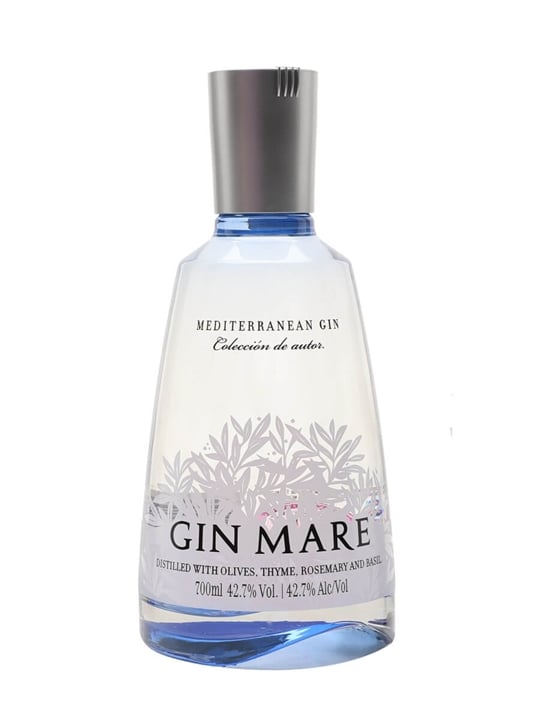
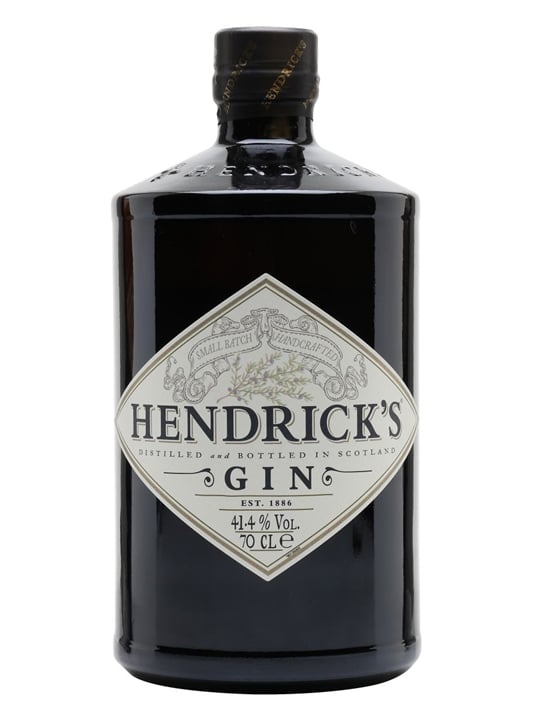
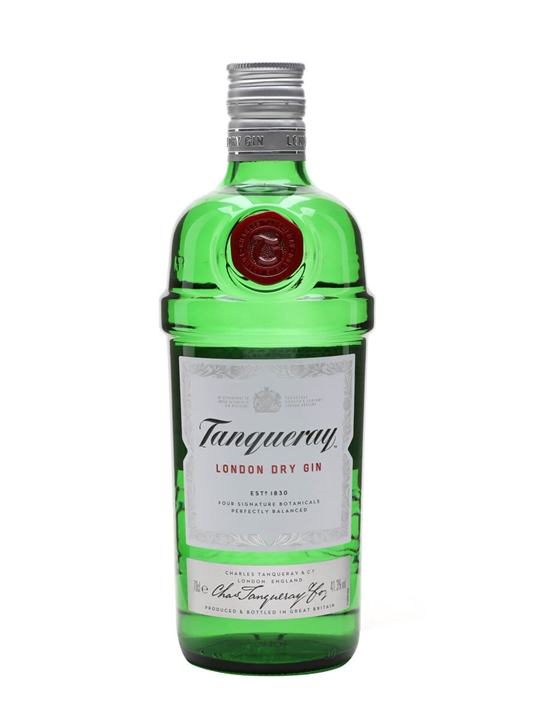
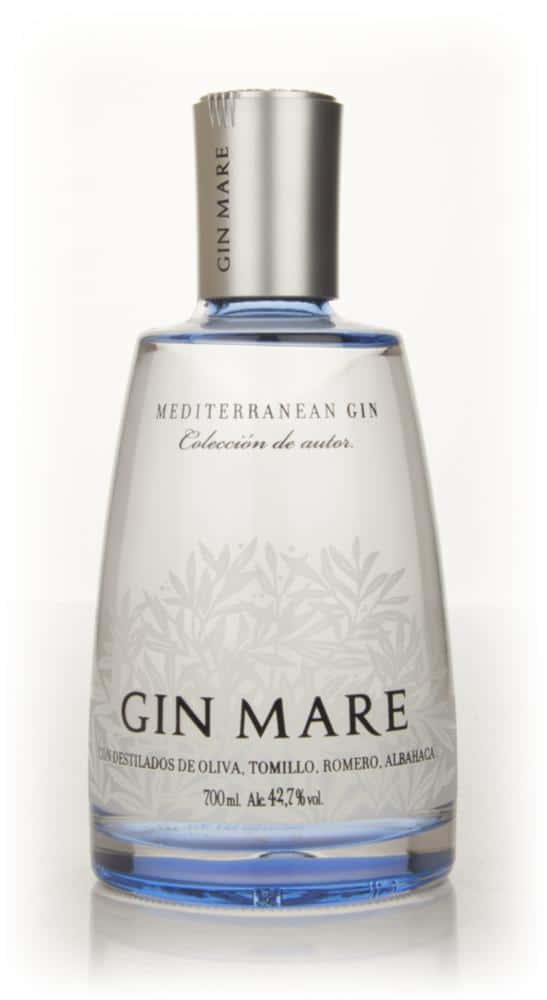
In Spain, the garnish is not an afterthought — it is a creative statement. Each gin is paired with specific garnishes designed to complement and amplify its botanical profile. Gin Mare, the Mediterranean gin produced near Barcelona, might be served with rosemary, thyme, and a thin slice of olive. Hendrick's gets cucumber and rose petals. Tanqueray might receive lime, black pepper, and a bay leaf.
The most accomplished gin-tónica bars maintain garnish menus that rival their gin selections. At Bobby Gin in Barcelona, each of the sixty-plus gins on offer comes with a prescribed garnish combination, researched and tested by the bar team. "The garnish changes the drink completely," said head bartender Marc López. "The same gin with different aromatics becomes a different experience. We take it very seriously."
How It Happened
Spain's gin-tónica revolution began in the late 2000s, driven by a convergence of factors. The economic crisis of 2008-2012 paradoxically helped — as discretionary spending tightened, Spanish consumers shifted from expensive wine and cocktails to the more affordable gin and tonic, which became the default social drink. At the same time, premium gin brands began investing heavily in the Spanish market, sponsoring bartender competitions and gin festivals that raised the profile of the serve.
The food culture played a role too. Spain's tradition of tapas — small, beautifully presented dishes designed to be shared — created a natural environment for a drink that could be similarly elevated through presentation and thoughtful ingredient selection. The gin-tónica became a kind of liquid tapa: small enough to be repeated, beautiful enough to photograph, complex enough to discuss.
The Global Influence
Spain's gin-tónica culture has had a profound influence on gin service worldwide. The copa glass is now standard in premium gin bars from London to Sydney. The concept of gin-specific garnishing has been adopted by bartenders everywhere. And the idea that a gin and tonic should be a crafted, considered drink — not just gin and tonic dumped over ice — has become the industry norm.
Perhaps most significantly, Spain demonstrated that gin culture could be about more than just the spirit. The gin-tónica is an experience — visual, aromatic, social. It turned a simple two-ingredient drink into a ritual, and in doing so, it gave gin a cultural significance in Spain that rivals wine. Today, Spain is the third-largest gin market in Europe by volume, and gin-tónica remains the country's most popular evening serve.
Sitting in Bobby Gin on a warm evening in March, watching the bartender build a perfect copa with the focus and precision of a surgeon, I was reminded of why I fell in love with gin in the first place. Not because of the spirit alone, but because of what people do with it — the care they take, the beauty they create, the moments they make possible. Spain understood this before anyone else, and the rest of us are still catching up.