
You see them in every distillery tour, gleaming behind glass partitions or standing in open production halls like burnished sentinels: copper pot stills, their swan-necked forms as distinctive as any object in the drinks world. They appear in brand logos, on bottle labels, and in marketing photography. They are the visual shorthand for craft, tradition, and authenticity. But what most visitors don't ask — and what most tour guides don't adequately explain — is why copper? What does this particular metal do that no other material can?
The answer lies in chemistry, and it is more interesting than you might expect.
The Reactive Metal
Copper is a chemically reactive metal, and this reactivity is the key to its role in distillation. During the distillation process, the raw spirit contains a range of sulphur compounds — dimethyl trisulphide, hydrogen sulphide, and various thiols — that taste and smell unpleasant. These compounds are produced during fermentation and are present in all grain-based spirits before distillation.
Copper reacts with these sulphur compounds, effectively stripping them from the spirit vapour as it rises through the still. The copper surface acts as a catalyst, converting the undesirable sulphur compounds into copper sulphate, which remains on the still's surface rather than passing into the distillate. The result is a spirit that is cleaner, smoother, and more aromatically pure than one distilled in a non-reactive material.
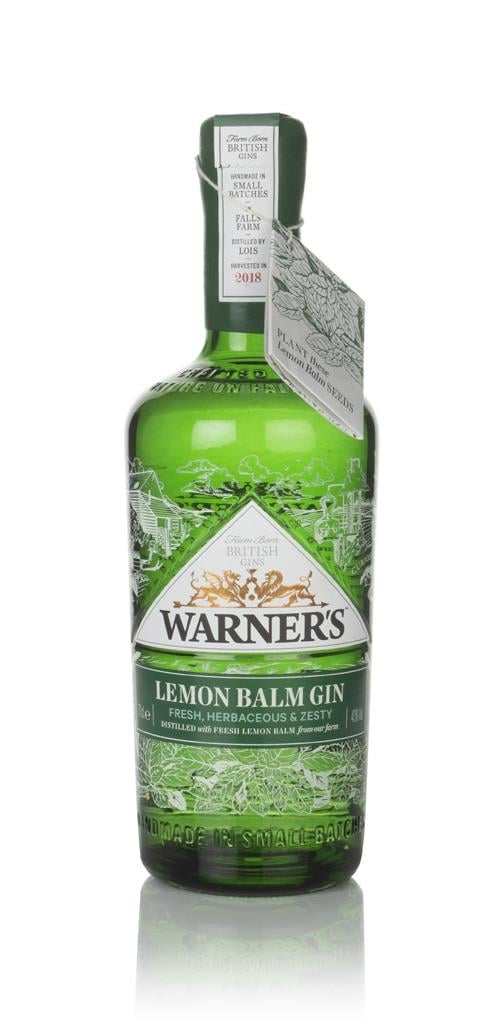
"If you distilled gin in stainless steel, it would taste harsh and sulphurous," explained Tom Warner, co-founder of Warner's Distillery in Northamptonshire. "The copper does the heavy lifting in terms of flavour purification. It's not an optional extra — it's fundamental to what makes distilled gin taste like gin."
Shape and Character
But copper's contribution goes beyond sulphur removal. The shape of a copper still — its height, the angle of its neck, the width of its body — directly influences the character of the spirit produced. Tall stills with long, narrow necks produce lighter, more delicate spirits because only the lightest vapour compounds can reach the top of the still. Short, squat stills produce heavier, more flavourful spirits because a wider range of compounds makes it into the condenser.
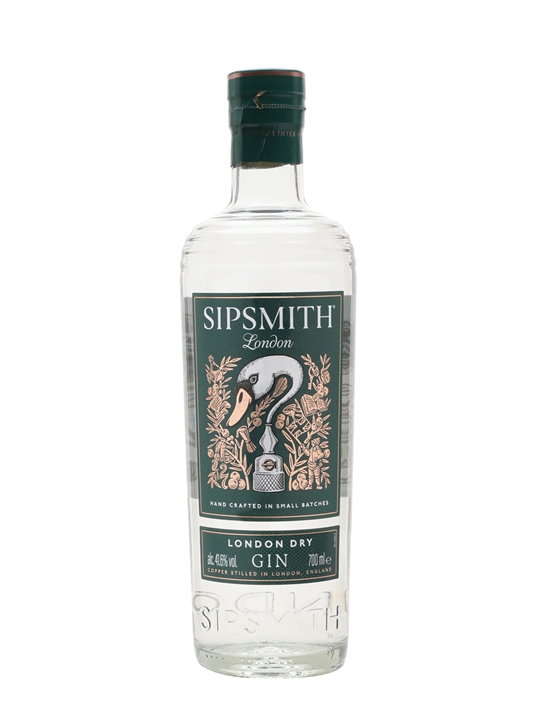
This is why each distillery's stills are effectively unique — they are designed (or, in many cases, inherited) to produce a specific character. When Sipsmith installed their first still, Prudence, in 2009, its proportions were carefully calculated to produce the style of London Dry they had in mind. When the distillery expanded, the new stills were built to Prudence's exact specifications, ensuring consistency.
The Carter-Head Still
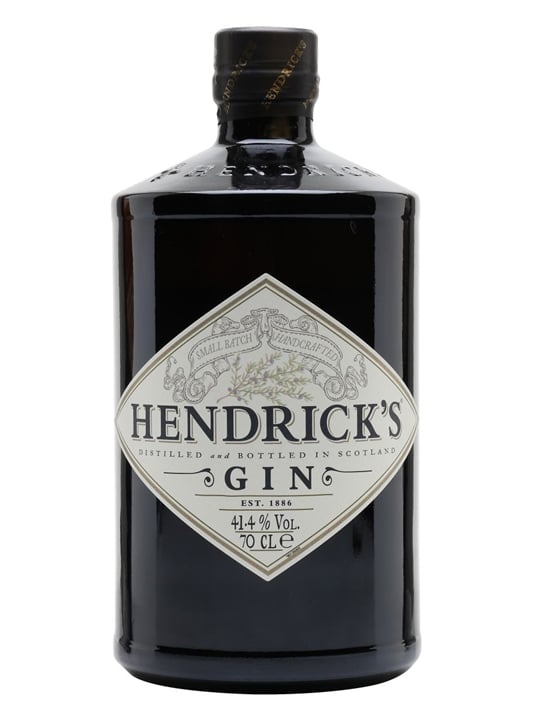
Some distilleries, most notably Hendrick's, use a Carter-Head still alongside traditional pot stills. The Carter-Head incorporates a botanical basket in the neck of the still, through which the spirit vapour passes before condensation. This vapour infusion method extracts lighter, more delicate flavours from the botanicals than direct immersion in the pot. Hendrick's blends the output of both still types to create its distinctive profile — a technique that is expensive and unusual, but produces results that a single still type cannot replicate.
The Human Element
What strikes me most when watching a distiller work with a copper still is the intimacy of the relationship. A good distiller knows their still — its idiosyncrasies, its optimal running speed, the precise temperature at which the spirit transitions from heads to hearts to tails. This knowledge is partly science and partly intuition, built over years of daily practice.
At the small distillery of Archie Rose in Sydney, master distiller Dave Withers demonstrated the "cut" — the moment when the distiller switches from collecting the desirable heart of the run to discarding the tails. He tasted the spirit continuously from a small sample tap, watching its character change in real time. "There," he said, closing the valve. "Feel how the mouthfeel just changed? It got oily, heavy. That's the tails coming through. A few seconds either way changes the gin."
Aging and Maintenance
Copper stills do not last forever. The same reactivity that makes copper essential for distillation also means the metal is slowly consumed by the process. Over years and decades, the interior surface of a still thins, particularly around the areas of greatest heat and vapour contact. Eventually, a still must be replaced — a significant investment for any distillery, and an emotionally charged one for distillers who have spent years learning their equipment's character.
The retired stills of famous distilleries are objects of reverence. Some are displayed in visitor centres; others are sold to new distilleries, carrying with them a lineage that connects the new operation to an established tradition. The still is not merely a tool. It is, in a very real sense, a collaborator — a shaping force that participates in the creation of the spirit as actively as the distiller and the botanicals.
The next time you visit a distillery, take a moment to look at the still — really look at it. The dents and patches on older stills, the precise geometry of newer ones, the play of light on the polished copper surface. This is where the transformation happens: where grain spirit becomes gin, where raw ingredients become refined pleasure. It is, if you'll forgive a writer's indulgence, an object of quiet alchemy.