
The word terroir has been borrowed so freely from the wine world that it risks losing all meaning. In wine, it refers to something specific and measurable: the soil, climate, altitude, and aspect that shape a grape's character before a winemaker ever touches it. Applied to spirits, the concept becomes slipperier. A gin is not grown — it is made. Its flavour comes from botanicals that may be sourced from five different countries, water that may be filtered to neutrality, and a base spirit that is often purchased rather than produced on site. So what, exactly, could terroir mean for gin?
I spent the better part of two months visiting distilleries that claim terroir as central to their identity, tasting their products, and asking their makers this question. The answers were more nuanced — and more persuasive — than I had expected.
The Botanist: Islay's Gin
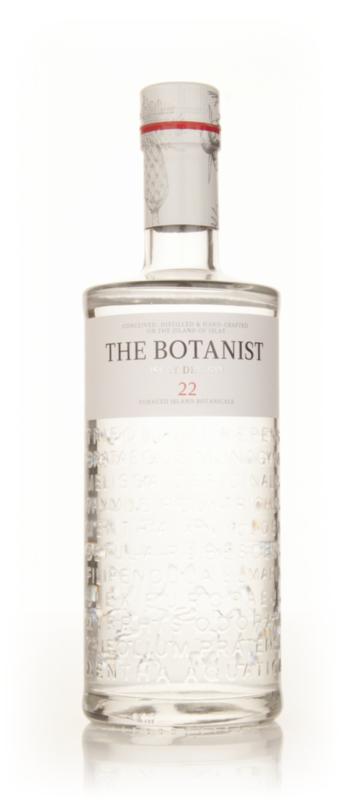
If any gin has a legitimate claim to terroir, it is The Botanist. Produced at Bruichladdich distillery on Islay — an island better known for its peat-smoked whiskies — The Botanist uses twenty-two hand-foraged botanicals, all gathered from the island's moors, bogs, and coastline. These include wild Islay juniper, meadowsweet, chamomile, mugwort, and wood sage, among others.
Standing on the hillside above Port Charlotte with forager James Donaldson, who has been gathering botanicals for The Botanist since its inception, the connection between place and product felt tangible. "Every season is different," he told me, pulling a sprig of bog myrtle from the damp ground. "The flowers are earlier or later, the juniper berries fatter or leaner. The gin changes with the seasons because the island changes."
Tasting The Botanist alongside a mainland gin made with a similar botanical bill but using commercially sourced ingredients, the difference was notable. The Botanist had a herbal wildness — an untamed quality that commercial botanicals, dried and transported, had lost. Whether this constitutes terroir in the strict sense is debatable. That it constitutes a connection to place is not.
Gin Mare: The Mediterranean Question
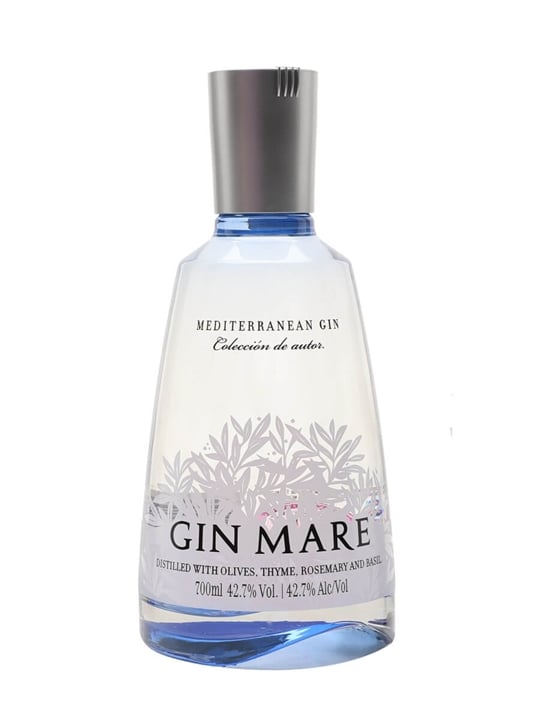
Gin Mare, produced in a former chapel overlooking the Mediterranean near Barcelona, takes a different approach to terroir. Its four signature botanicals — Arbequina olive, thyme, rosemary, and basil — are all Mediterranean staples, sourced from the surrounding region. The distillery's position is explicitly that these ingredients carry the flavour of their landscape.
"Our olive is not the same as an Italian olive or a Greek olive," said Marc Guasch, Gin Mare's master distiller, as we tasted olive oil from the trees that grow on the distillery grounds. "It has a specific character — buttery, green, slightly peppery. When you taste that in the gin, you are tasting this place."
He has a point. Gin Mare tastes unmistakably Mediterranean — herbal, savoury, sun-warmed. But is this terroir, or is it simply ingredient selection? Would the gin taste appreciably different if the rosemary came from Provence rather than Catalonia? These are questions without easy answers.
Four Pillars: Australian Bush
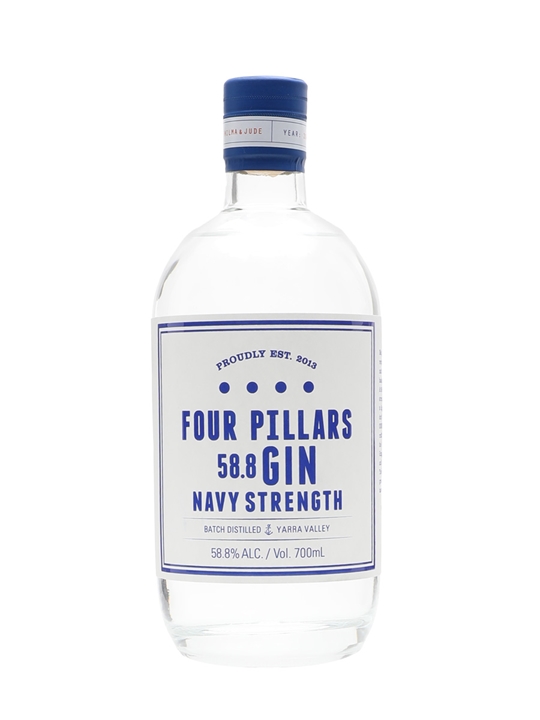
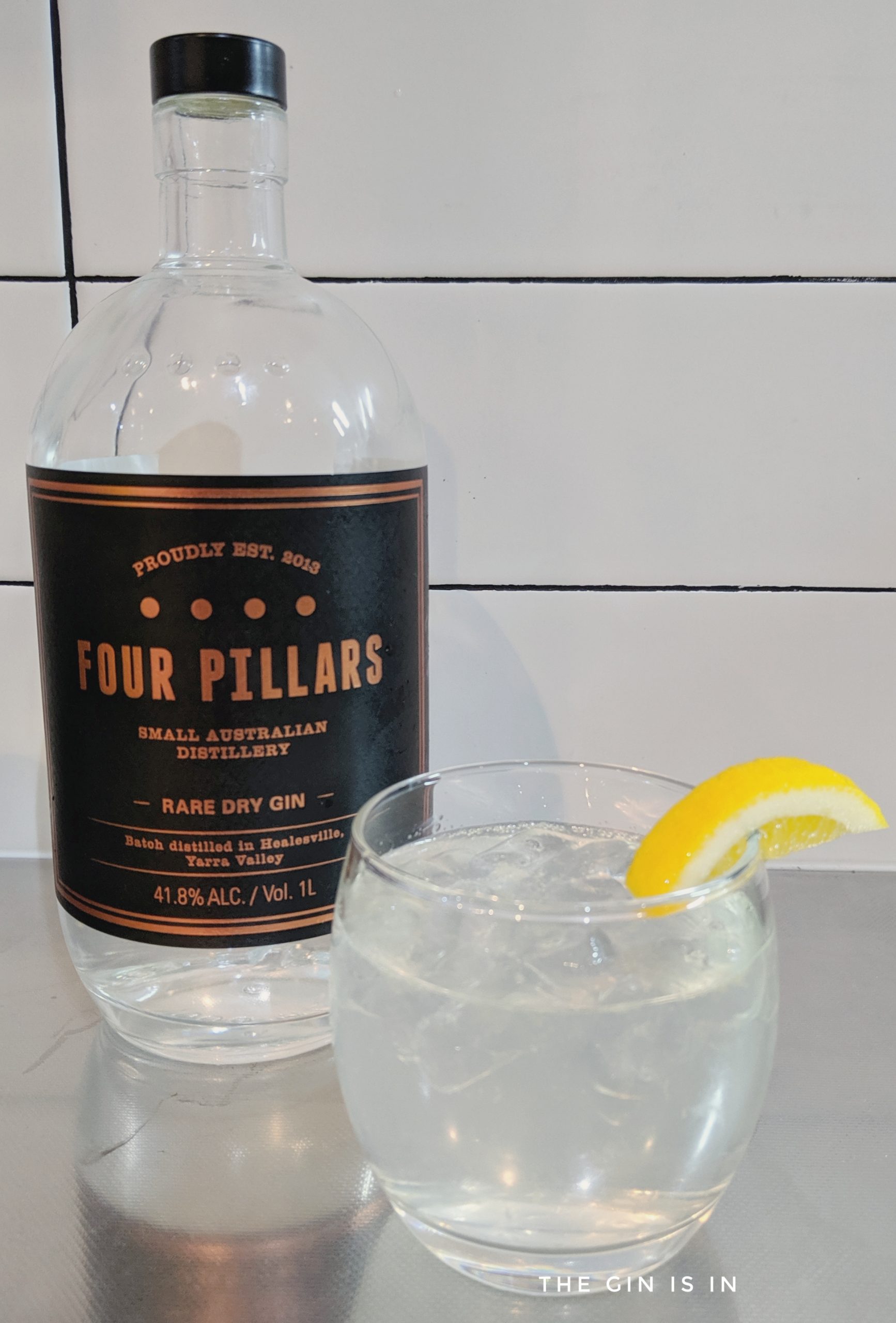
In the Yarra Valley outside Melbourne, Four Pillars distillery has built its reputation on native Australian botanicals — Tasmanian pepperberry, lemon myrtle, and whole fresh oranges that are sliced and placed directly into the still. Co-founder Cameron Mackenzie is unequivocal about the role of origin: "We couldn't make this gin anywhere else. The botanicals don't exist anywhere else."
This is perhaps the strongest form of gin terroir — the use of endemic species that are unique to a specific geography. Tasmanian pepperberry has a flavour profile unlike any spice found in Europe or Asia. Lemon myrtle, while it can be cultivated elsewhere, achieves its most intense expression in its native habitat. The resulting gin is distinctly, irreducibly Australian.
The Sceptic's View
Not everyone in the industry is convinced. "Terroir is a marketing concept applied to gin to justify higher prices," said one London-based distiller who asked to remain anonymous. "Ninety per cent of the gin sold worldwide uses the same commercially sourced botanicals. The skill is in what the distiller does with them, not where they came from."
There is truth in this. The vast majority of juniper used in gin production worldwide comes from the same few regions — the Balkans, Italy, and parts of India — regardless of where the gin itself is made. The neutral grain spirit that forms the base of most gins is often purchased from industrial suppliers. And water, while it varies in mineral content, is typically filtered and treated to achieve consistency.
A Personal Conclusion
After two months of tasting and travelling, I find myself occupying a middle ground. Gin terroir is real, but it is not universal. It exists where distillers make a genuine commitment to place — foraging local botanicals, using estate-grown ingredients, allowing seasonal variation. In those cases, you can taste the difference, and the difference is meaningful.
For the majority of gins, terroir is the wrong word. Provenance is better — the story of who made it, how, and with what intent. And that, too, is worth knowing.