
The most famous image in gin's history — Hogarth's "Gin Lane" — places a woman at its centre. She is falling-down drunk, dropping her baby into a cellar stairwell, and she is intended to represent everything wrong with gin consumption in eighteenth-century London. The name that clung to gin for centuries afterwards — "Mother's Ruin" — reinforced this association: gin as a women's problem, a female vice, a drink that destroyed motherhood and domesticity.
What this narrative obscures, as so many patriarchal narratives do, is the extent to which women built the gin trade. They were its producers, its sellers, its innovators, and eventually its most passionate modern advocates. This is their story.
The Gin Shop Women
During the Gin Craze of the 1720s-1750s, women were not merely consumers — they were the primary retailers of gin. Historical research by Jessica Warner, author of "Craze: Gin and Debauchery in an Age of Reason," reveals that women operated the majority of London's estimated 7,000 gin shops. In a society where few commercial opportunities were available to women, gin selling offered a path to economic independence, however precarious.
The most famous of these women was Judith Defour, whose 1734 murder of her two-year-old child to sell the child's clothes for gin money became a cause célèbre that fuelled the temperance movement. But Defour was an extreme case in an extreme time. For every Judith Defour, there were hundreds of women running legitimate gin businesses — distilling, selling, and supporting their families through the gin trade.
The Victorian Reformers
As gin transitioned from the dangerous spirits of the Gin Craze to the respectable London Dry of the nineteenth century, women played a quieter but no less important role. In the temperance movement, women like Lady Henry Somerset and Frances Willard campaigned not against gin itself but against the conditions — poverty, overcrowding, exploitation — that drove excessive consumption. Their advocacy contributed to the regulatory framework that transformed gin from a public health crisis into a regulated, quality-controlled spirit.
The Modern Pioneers
Today, women occupy some of the most influential positions in the gin industry, though the history books have been slow to catch up.
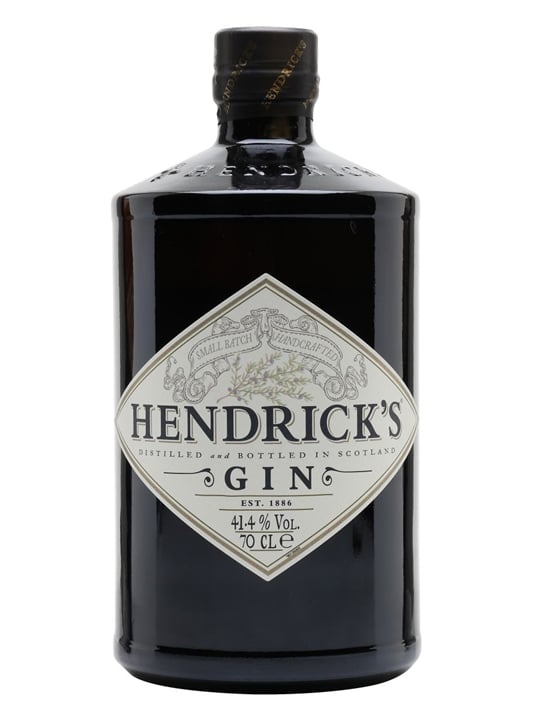
Lesley Gracie, master distiller at Hendrick's since its launch in 1999, created one of the world's most successful and distinctive gins. Her decision to infuse cucumber and Bulgarian rose into a gin was considered eccentric at the time; it proved visionary, launching the contemporary gin movement that has transformed the category.
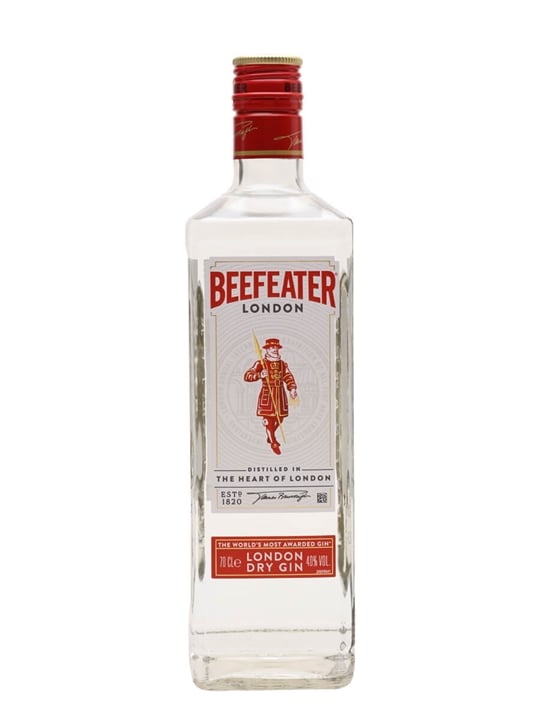
Jill Mulvaney, who ran the Beefeater Distillery in Kennington for over a decade, oversaw the production of one of the world's best-selling London Dry gins. She was one of the first women to hold a senior production role at a major spirits company, and she did so with a quiet authority that earned her enormous respect within the industry.
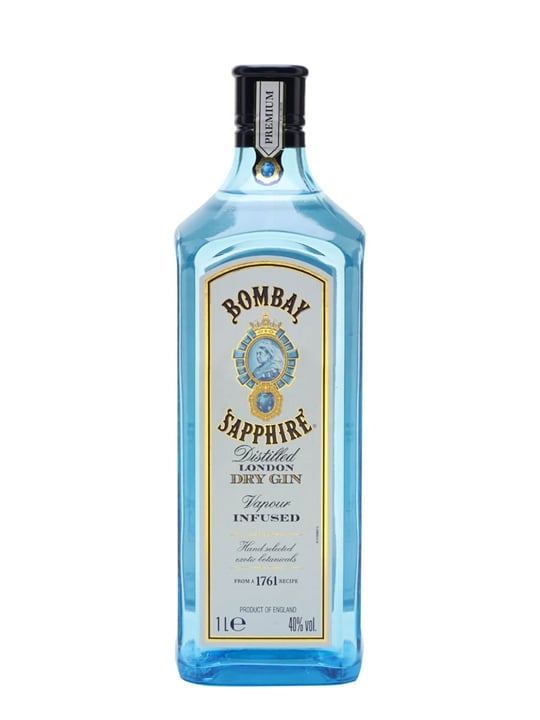
Anne Brock, the current master distiller at Bombay Sapphire, brought a scientific rigour to gin production that has influenced distillation practices across the industry. Her work on vapour infusion techniques has been particularly significant, demonstrating how botanical character can be extracted more delicately than traditional steeping methods allow.
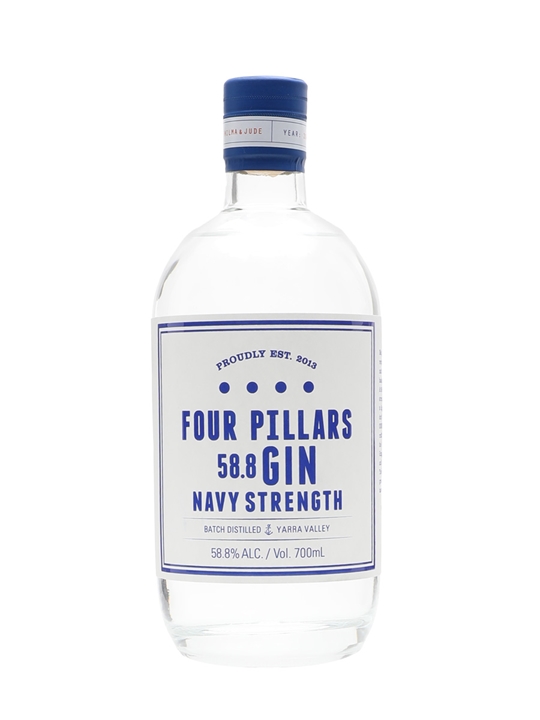
In the craft sector, women founders and distillers are reshaping the industry. Cleo Rocos's Aqua Riva, Alex Carlton's Whitley Neill, and the team behind Four Pillars in Australia all demonstrate that the gin industry's future is increasingly female-led.
Beyond the Glass Ceiling
The challenge remains. A 2024 survey by the Gin Guild found that while women now account for approximately thirty per cent of gin distillers in the UK — up from less than ten per cent a decade ago — they remain underrepresented in senior commercial and marketing roles at major spirits companies. The stories of women in gin are still too often told as exceptions rather than as part of a continuous tradition.
Understanding this history matters, not because it changes the taste of the gin in your glass, but because it changes the story you tell about it. Gin's history has never been exclusively male, despite what the history books suggest. The women who built this industry — from the gin shop proprietors of Georgian London to the master distillers of today — deserve to be remembered not as footnotes or exceptions, but as the essential figures they are.