
The ferry from Kennacraig to Port Askaig crosses some of the most unpredictable water on Britain's western seaboard. On the morning I made the crossing, the Sound of Jura was glassy and still, and the hills of Islay emerged from a low mist like something from a myth. It is an appropriate introduction to an island that deals in atmospherics — from the peat smoke that hangs over its whisky distilleries to the wild herbs that flavour its single malt's lesser-known sibling: The Botanist gin.
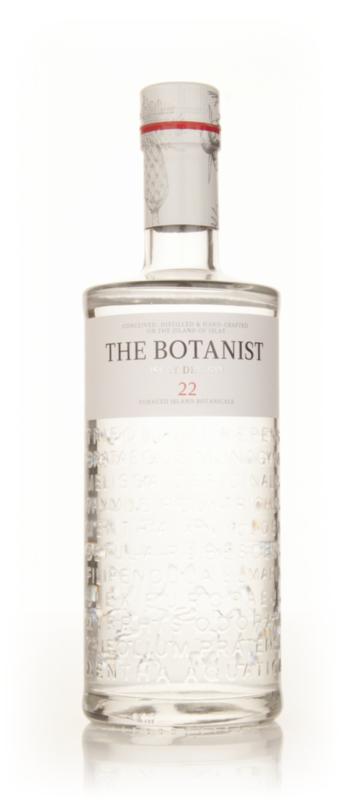
The Botanist is produced at Bruichladdich, a distillery on the western shore of Loch Indaal that is better known for its single malt whiskies. But The Botanist — launched in 2010, the idea of then-master distiller Jim McEwan — has become a phenomenon in its own right, selling over a million bottles annually. Its distinction lies in its botanical bill: twenty-two of the thirty-one botanicals used are hand-foraged from Islay's moors, meadows, shoreline, and bogs by a small team of dedicated foragers.
The Forager
I spent a day with James Donaldson, The Botanist's lead forager, walking the landscape that supplies the gin's identity. We began on the raised beach south of Bruichladdich, where wild thyme and lady's bedstraw grow between the rocks, then moved inland through meadows thick with red clover and meadowsweet, before climbing into the boggy moorland where Islay's native juniper bushes grow — small, wind-stunted, and clinging to the peaty soil with visible determination.
"You can't rush this," Donaldson said, kneeling to harvest chamomile flowers with a pair of scissors, placing each bloom carefully into a linen bag. "Every botanical has its moment. The meadowsweet is best in July, the juniper in late September. If you pick too early or too late, the flavour changes."
The list of foraged botanicals reads like a herbalist's inventory: apple mint, chamomile, creeping thistle, elder, gorse flower, heather, juniper, lady's bedstraw, lemon balm, meadowsweet, mugwort, red clover, spearmint, sweet cicely, tansy, water mint, white clover, wild thyme, bog myrtle, downy birch, hawthorn, and wood sage. Each contributes something specific to the gin's flavour, from the honeyed sweetness of meadowsweet to the herbal bitterness of mugwort.
The Still
Back at the distillery, the foraged botanicals are combined with nine "core" botanicals — juniper, coriander seed, angelica root, orris root, cassia bark, cinnamon bark, lemon peel, orange peel, and liquorice root — and distilled in Ugly Betty, a custom-built Lomond still that allows the foraged botanicals to be placed in a botanical basket, where the rising spirit vapour extracts their flavours more gently than direct immersion would.
The result is a gin of remarkable delicacy and complexity. Where a conventional London Dry might present three or four identifiable flavours, The Botanist offers a shifting, layered experience that changes with every sip. Juniper is present but woven into a fabric of wild flowers and herbs that give the gin a sense of place — of windswept meadows and salt-sprayed shores.
Landscape as Ingredient
What struck me most about the day was the intimacy of the relationship between forager and landscape. Donaldson knows every patch of meadowsweet, every juniper bush, every stand of bog myrtle on the island. He monitors their health through the seasons, adjusts his harvesting patterns to allow regeneration, and works within the rhythms of the island's ecology rather than imposing production schedules upon it.
"The island decides how much gin we make," he said. "If the juniper has a bad year, we use less juniper. If the chamomile flowers early, we pick earlier. The gin is a reflection of what the island gives us, season by season."
This is terroir in its purest form — not a marketing concept but a lived reality. The Botanist tastes the way it does because Islay is the way it is, and if the island changed, the gin would change with it. Standing on the shore of Loch Indaal as the evening light turned the water silver, watching the peat smoke rise from Bowmore distillery across the loch, I understood why McEwan chose to make a gin here. Some places demand to be tasted.