
Scotland has more gin distilleries per capita than any other country in the world. This is a fact that would have seemed absurd a decade ago, when Scottish distilling was synonymous with whisky and little else. But the gin revolution, which swept through England in the early 2010s, hit Scotland with particular force, and the country's combination of excellent water, a deep distilling heritage, and access to remarkable local botanicals has produced a gin scene of exceptional quality and diversity.
I drove the length and breadth of Scotland over ten days last autumn, visiting twelve distilleries and tasting more gins than my liver would care to recall. Here are the highlights of a route that any gin enthusiast should consider.
Edinburgh: The Urban Distilleries
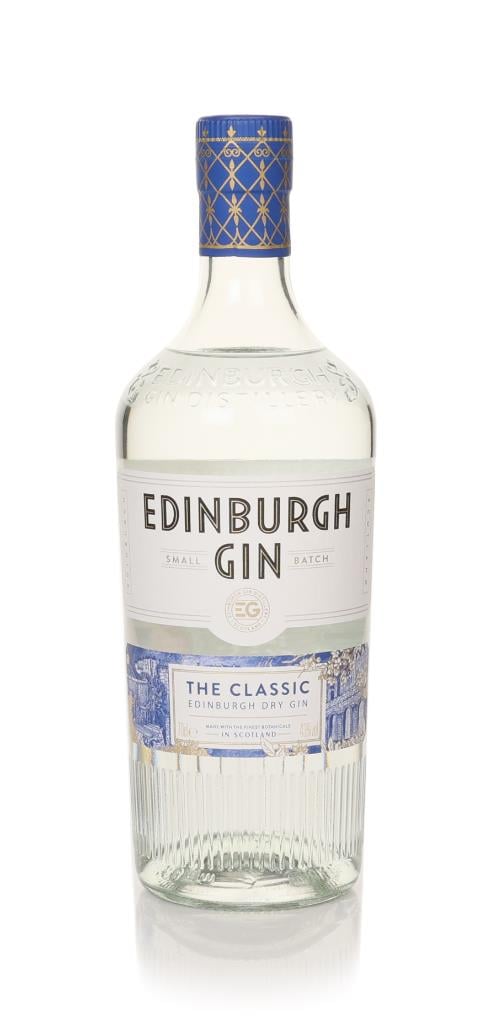
Edinburgh is the logical starting point, with several distilleries operating within the city limits. Edinburgh Gin, now part of Ian Macleod Distillers, produces its gin at a handsome distillery on Leith's commercial quay. Their Seaside Gin, which includes foraged coastal botanicals like scurvy grass and ground ivy, is a standout — saline, herbal, and distinctly coastal despite being made in a city centre.
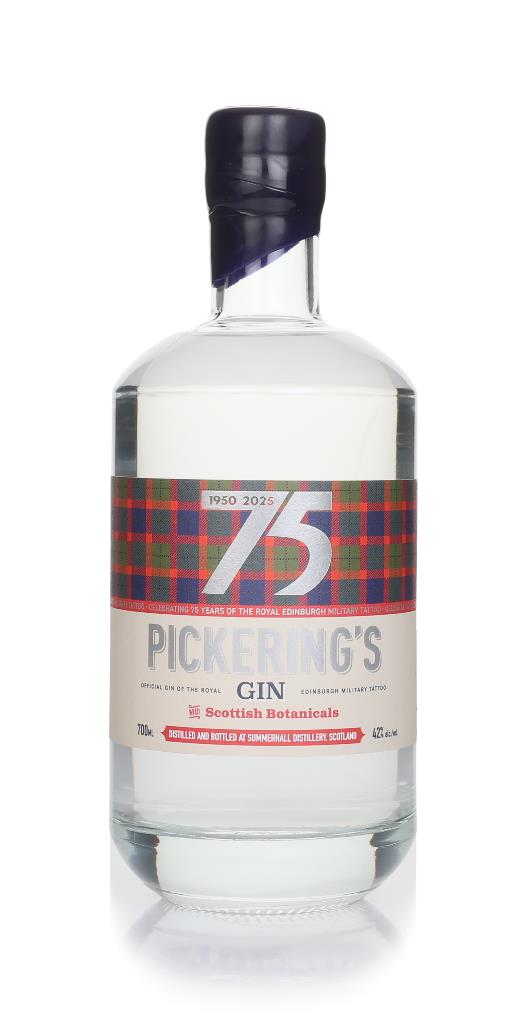
Nearby, Pickering's Gin operates from a converted veterinary school in Summerhall, using a recipe based on a handwritten note found in a Bombay barracks and dated 1947. The gin — warm, spiced, and approachable — is one of Edinburgh's best-selling spirits. The distillery tour, which winds through the eccentric Summerhall arts complex before arriving at the stills, is unlike any other I've taken.
The Highlands: Wild Botanicals
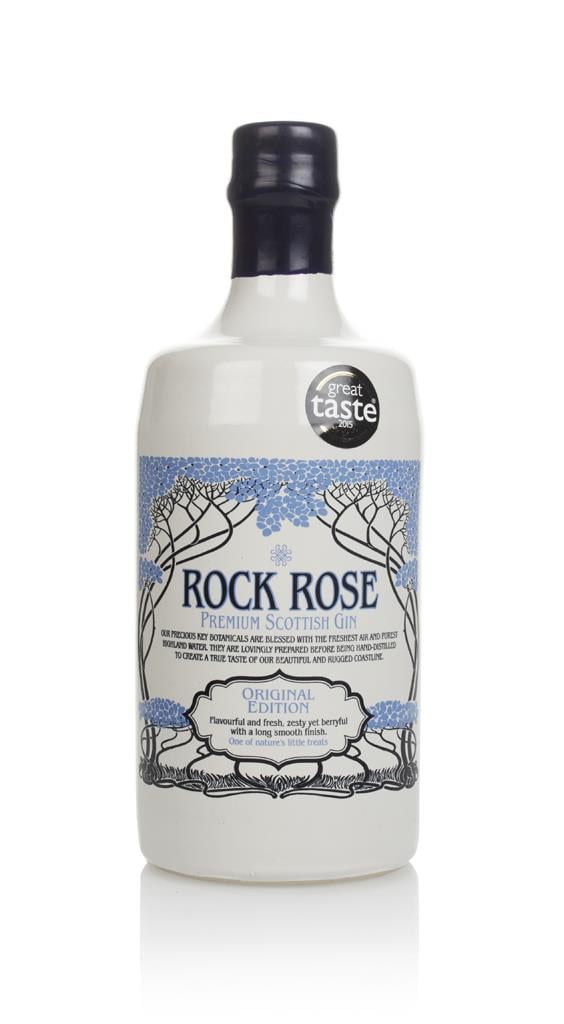
Heading north into the Highlands, the landscape transforms and so do the gins. At Dunnet Bay Distillery, near John o' Groats, Rock Rose Gin uses locally foraged botanicals including rhodiola rosea (a plant that grows on the sea cliffs) and rowan berries. The gin has a wild, windswept quality that feels authentically of its place.
Further west, in the dramatic landscape around Ullapool, the newly opened Wild Cairn Distillery (covered in our news pages this month) is producing a Highland Dry that uses Scots pine needles, wild juniper from the Cairngorms, and heather honey. It's early days, but the quality is promising and the sustainability model is genuinely pioneering.
The Islands: Maritime Character
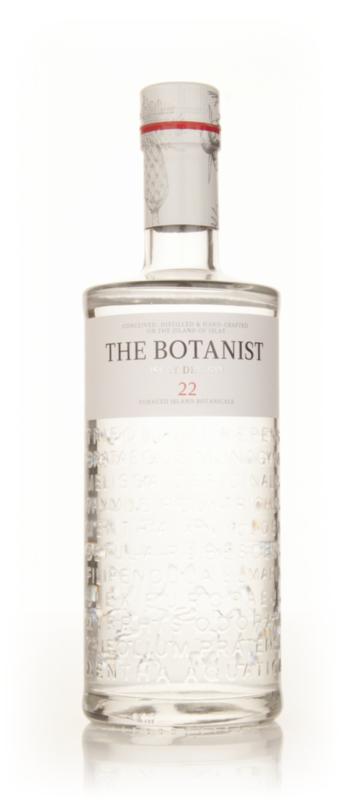
Scotland's islands produce some of the most distinctive gins in the world, and reaching them is half the adventure. On Islay, The Botanist continues to set the standard for terroir-driven gin, with its twenty-two hand-foraged botanicals creating a gin of extraordinary complexity. The distillery tour at Bruichladdich is excellent, and the tasting room offers the opportunity to try limited-edition botanical variations not available elsewhere.
On the Isle of Harris, Harris Gin — with its signature sugar kelp — has become one of the most sought-after gins in Scotland. The distillery, a beautiful modern building that serves as a community hub as well as a production facility, is well worth the ferry journey. The gin itself is maritime, herbaceous, and utterly unique.
On Skye, Torabhaig Distillery, primarily a whisky operation, also produces a small-batch gin using local heather and foraged shore botanicals. It's not widely available, making a visit the best way to try it.
The Lowlands: Tradition Meets Innovation
Returning south, the Lowlands offer a different perspective. In Glasgow, the Clydeside Distillery on the banks of the Clyde produces a gin that channels the city's industrial heritage — robust, no-nonsense, and designed for mixing. In the Borders, Lilliard Gin uses botanicals from the surrounding farmland, creating a gin with an agricultural quality that feels appropriately rural.
Practical Advice
If you're planning a Scottish gin road trip, allow at least a week. Book distillery tours in advance, particularly for island distilleries which have limited capacity. Designate a driver — Scotland's drink-driving laws are stricter than England's (the limit is 50mg per 100ml of blood, compared to 80mg in England). Many distilleries offer tasting packs that can be purchased rather than consumed on-site, allowing the driver to enjoy the gins later.
Scotland's gin scene is still young, and new distilleries continue to open at a remarkable rate. The country that perfected malt whisky is now producing some of the world's finest gin, and the journey to discover it is as rewarding as the destination.