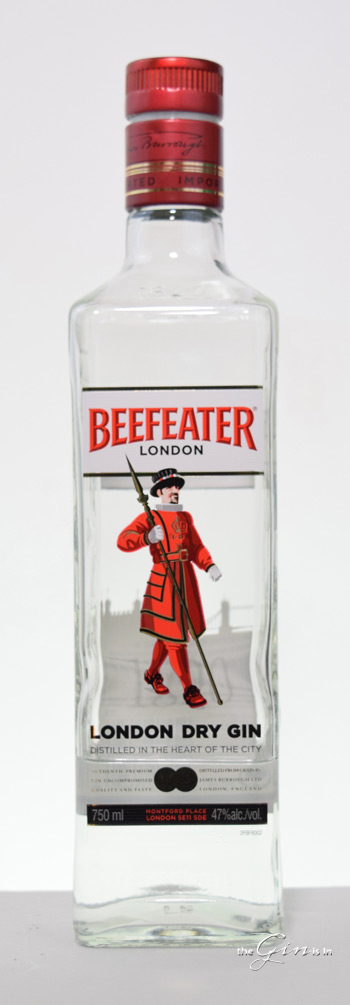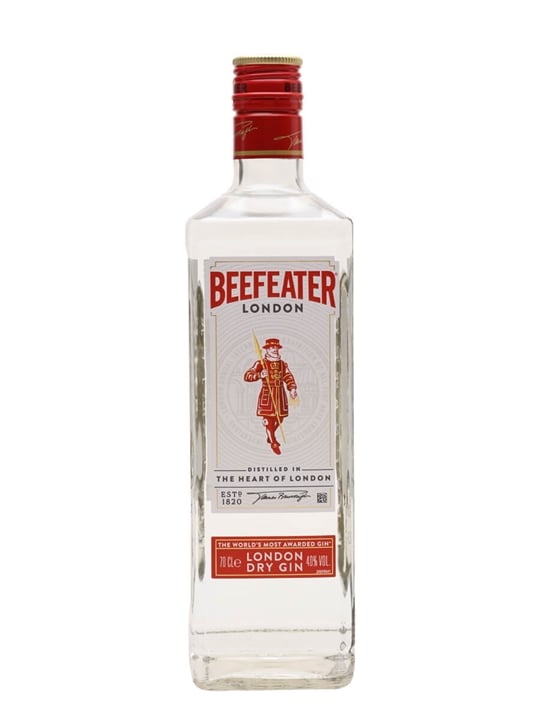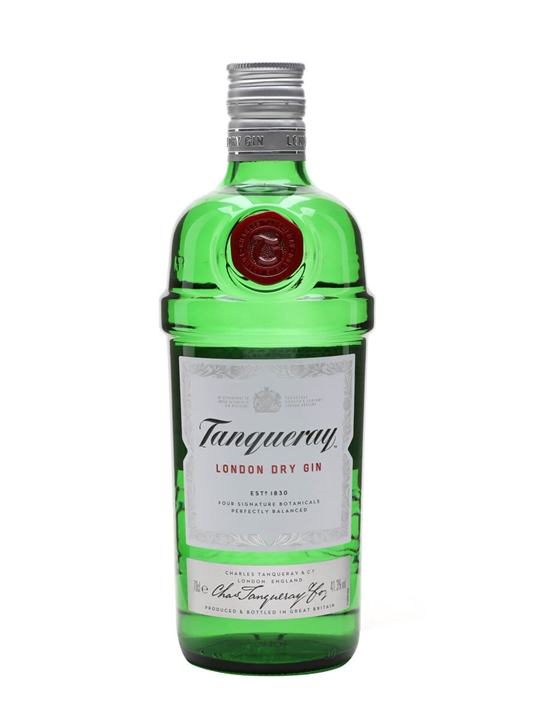

In 1820, a young man named James Burrough bought a small distillery in Kennington, south London, and began experimenting with gin recipes. Forty years later, his creation — Beefeater, named for the Yeomen Warders of the Tower of London — would become one of the most recognised gins in the world. Meanwhile, in 1830, a decade after Burrough started distilling, Charles Tanqueray established his own distillery in Bloomsbury, barely three miles away. His gin, built on a radically minimalist recipe of just four botanicals, would become the other titan of London Dry.
Nearly two centuries later, these two gins remain the twin pillars of the category — the Coca-Cola and Pepsi of the gin world, if you will forgive the comparison. Every bartender has a preference. Every gin lover has an opinion. And the debate between Tanqueray and Beefeater tells us something essential about what London Dry gin can be.
The Recipes
Beefeater uses nine botanicals: juniper, angelica root, angelica seeds, coriander seeds, liquorice, almond, orris root, Seville orange peel, and lemon peel. It is a generous recipe, and the resulting gin is complex, layered, and aromatic. There is juniper at the heart, certainly, but it is surrounded by a chorus of supporting flavours — the nutty sweetness of almond, the earthy depth of angelica, the bright citrus of orange and lemon.
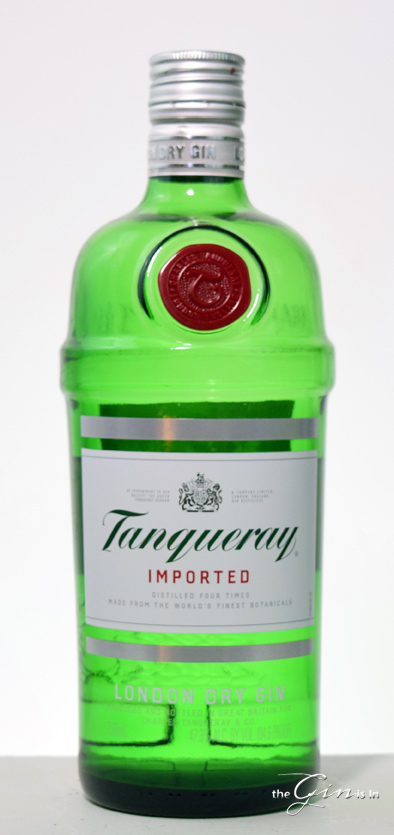
Tanqueray uses four: juniper, coriander, angelica, and liquorice. That is it. Four botanicals. The recipe has not changed since Charles Tanqueray wrote it down, and its power lies in its restraint. Every botanical must earn its place, and the result is a gin of extraordinary focus and intensity. The juniper is bolder, the coriander more prominent, the dry, earthy finish more pronounced. Where Beefeater is a symphony, Tanqueray is a string quartet — fewer instruments, but each one perfectly audible.
Distillation and Character
Both gins are distilled in copper pot stills, but the methods differ in telling ways. Beefeater steeps its botanicals in the grain spirit for a full twenty-four hours before distillation — a long maceration that extracts deeper, more complex flavours from each ingredient. The result is a gin with remarkable depth, where flavours emerge in layers as you taste.
Tanqueray's process is more closely guarded, but the result speaks for itself: a gin that is cleaner, more streamlined, and more assertive. At 47.3% ABV (compared to Beefeater's 40%), it has more weight and presence on the palate. The higher alcohol content is not merely about strength — it carries the botanicals more effectively, giving the gin a sense of concentration and purpose that lower-strength gins sometimes lack.
The Tasting
I poured them side by side on a grey February afternoon, in the kind of light that makes London feel like a city designed for gin drinking. Beefeater first: the nose is inviting and complex, with juniper, lemon peel, and a subtle almond sweetness. On the palate, it is smooth and well-mannered, with citrus brightness in the mid-palate and a gentle, earthy finish. It is a gin that makes friends easily — approachable, versatile, and satisfying without being demanding.
Then Tanqueray. The difference is immediate. The nose is sharper, more focused — bold juniper, peppery coriander, a dry herbal edge from the angelica. On the palate, it arrives with authority: juniper-forward, spicy, and searingly dry, with a finish that goes on and on. This is a gin that does not make friends; it earns respect. It has opinions, and it is not afraid to express them.
Behind the Bar
Ask a bartender which they prefer and you will learn something about their philosophy. Beefeater bartenders tend to value balance, complexity, and versatility — they want a gin that plays well in any cocktail, from a G&T to a French 75 to a Last Word. Beefeater's broader botanical bill gives it a chameleonic quality; it adapts to its surroundings.
Tanqueray bartenders tend to value intensity and clarity — they want a gin that cuts through whatever you mix it with, that announces its presence and holds its ground. In a Martini, Tanqueray is formidable. In a Negroni, it stands toe to toe with Campari. In a G&T, it is the gin that makes you realise you are drinking a gin and tonic, not just a fizzy drink with a botanical afterthought.
The Modern Legacy
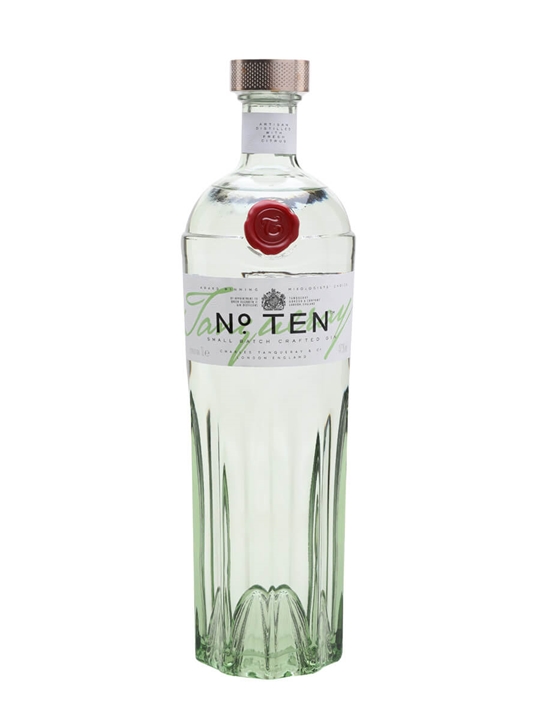
Both houses have expanded beyond their flagships. Beefeater 24 (introduced in 2008) adds Japanese sencha tea and Chinese green tea to the botanical bill, producing a gin of remarkable elegance. Tanqueray No. Ten (2000) uses fresh whole citrus fruits and chamomile flowers, distilled in a tiny copper pot still called "Tiny Ten," to create a softer, more citrus-forward expression that has become a modern classic in its own right.
But the originals endure. In a world awash with craft gins, micro-distilleries, and exotic botanicals, Beefeater and Tanqueray remain the benchmarks against which all London Dry is measured. They are the gins that bartenders reach for when the order is simply "a gin and tonic" — because they know that whatever else may change, these two will deliver.
My own preference? I will not say. Some rivalries are best left unresolved, and this is one of them. Buy both bottles. Pour them side by side. Make your own decision. It is one of the more pleasant dilemmas life has to offer.