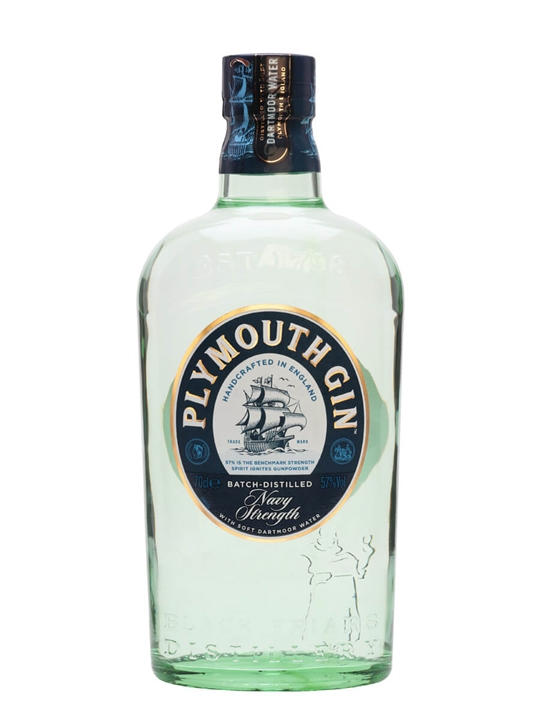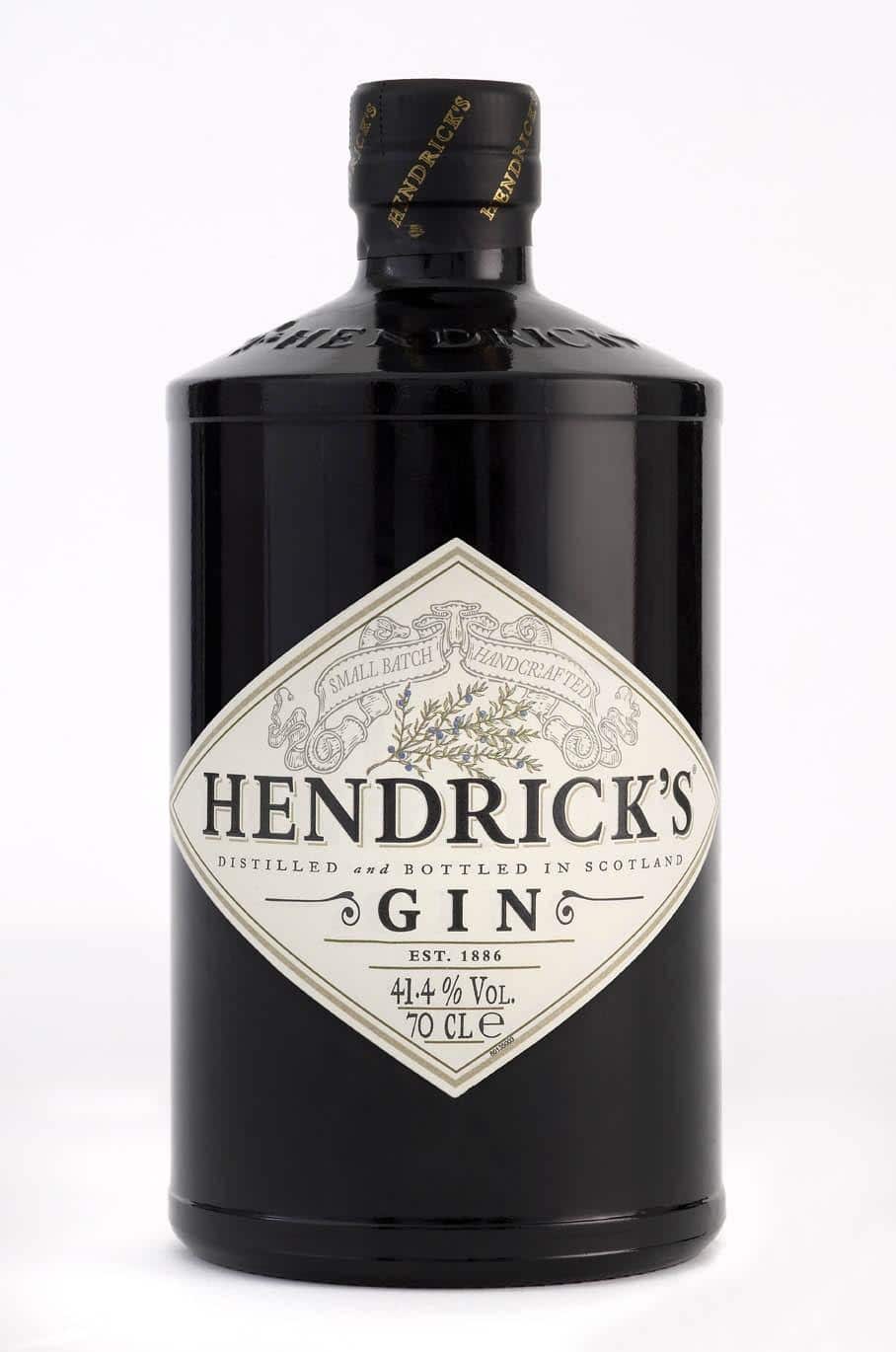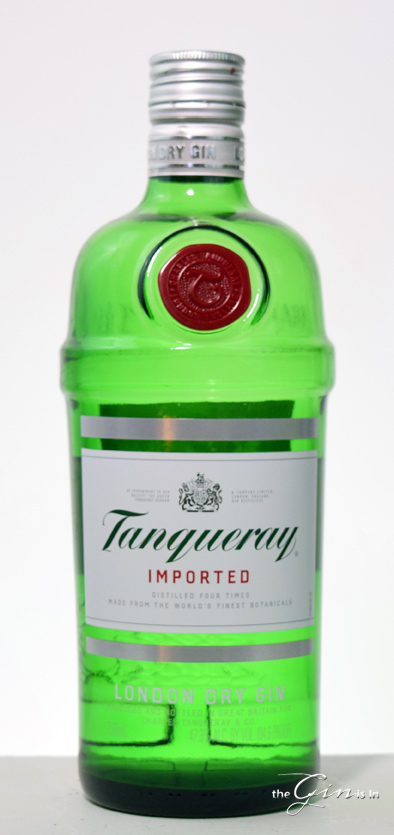
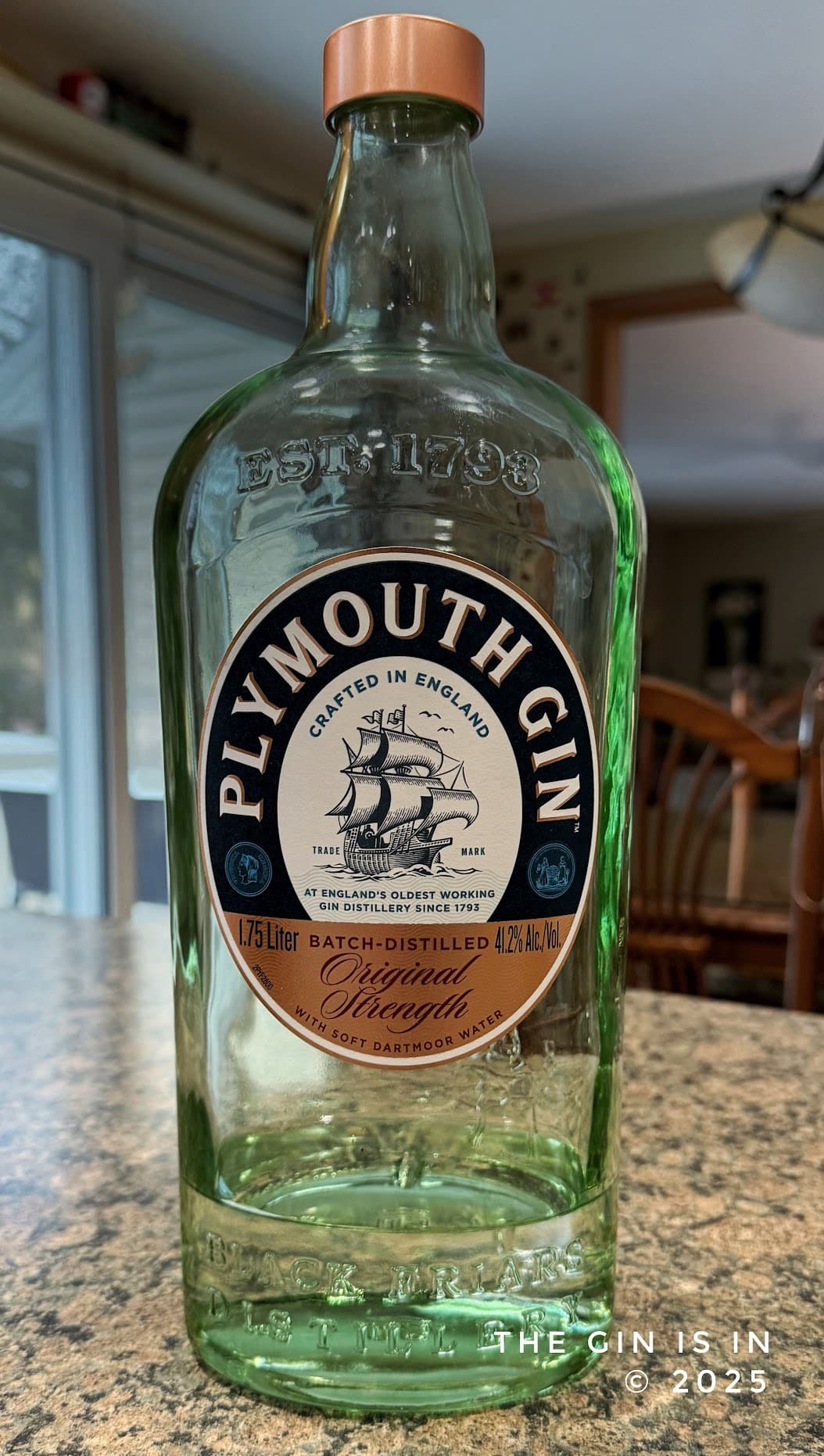

There is a building on the Barbican in Plymouth — a handsome, slightly austere structure that has served variously as a Dominican friary, a debtor's prison, a billet for the Pilgrim Fathers, and, since 1793, the home of Plymouth Gin. It is the oldest working gin distillery in England, and it produces the only gin in the world with a geographical indication: Plymouth Gin can only be made here, within the city walls, according to a recipe and a method that has remained essentially unchanged for two centuries.
London Dry, by contrast, can be made anywhere. It is not a place. It is a process — a set of rules governing how the gin is produced, codified in EU regulation and now in UK law. A London Dry gin could be distilled in Tokyo, Tasmania, or Tunbridge Wells, and provided it follows the rules, it may carry the name. This fundamental distinction — geography versus methodology — is the first thing to understand when comparing these two great British gin styles.
The Legal Framework
London Dry is defined by what you cannot add after distillation: no flavourings, no colourings, no more than 0.1 grams of sugar per litre. Every flavour in the glass must come from the botanicals distilled in the pot. It is a guarantee of purity and transparency, and it is the reason London Dry has become the global benchmark for gin quality.
Plymouth Gin's geographical indication, granted in 2015, works differently. It specifies origin rather than method: the gin must be distilled in Plymouth using water from Dartmoor and a recipe that includes a specific combination of botanicals. The distillery has more latitude in production than a London Dry producer — Plymouth Gin could, in theory, add small amounts of flavouring or sweetness after distillation, though in practice it does not.
Flavour: The Heart of the Matter
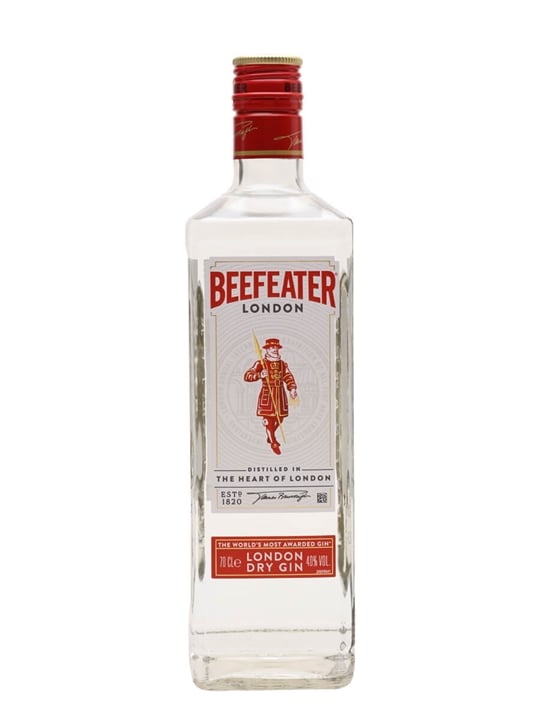
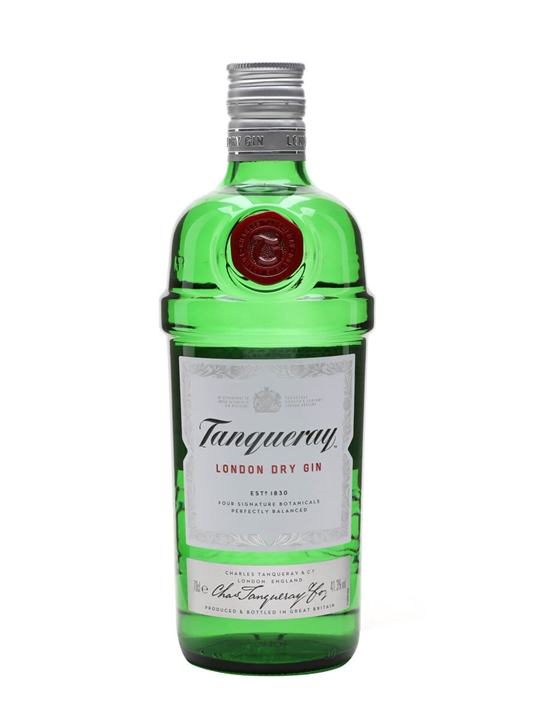
Taste them side by side and the differences become vivid. A classic London Dry — Beefeater, say, or Tanqueray — leads with juniper. It is crisp, dry, and assertive, with a backbone of resinous pine and citrus brightness. The finish is clean and austere. There is a certain architectural quality to a good London Dry, as though the botanicals have been arranged with precision and restraint.
Plymouth is softer. Rounder. More generous. The juniper is present but less aggressive, sharing the stage with earthy, root-like notes from the angelica and orris, and a gentle sweetness that gives the spirit an almost silky mouthfeel. Where London Dry has angles, Plymouth has curves. It is a gin that invites you to slow down and pay attention to its quieter complexities.
The botanical bill is telling: Plymouth uses seven botanicals (juniper, coriander seed, dried orange and lemon peels, green cardamom, angelica root, and orris root), and the proportions lean away from the juniper dominance typical of London Dry toward a more balanced, equal-weighted interplay. The use of cardamom, in particular, gives Plymouth a warm, aromatic quality that most London Drys lack.
History: Parallel Lives
London Dry emerged in the late nineteenth century as continuous distillation technology allowed producers to create cleaner, purer base spirits. The cleaner the base, the less sugar was needed to mask its imperfections — and so the "dry" style was born, a deliberate rejection of the sweetened, heavily flavoured gins of the Georgian era. By the early twentieth century, London Dry had become the house style of the British Empire, carried around the world by the Royal Navy and colonial administrators.
Plymouth's story is older and more intimate. The Black Friars Distillery has been producing gin since at least 1793, and the spirit was the official gin of the Royal Navy for over a century — specified by name in the Admiralty's victualling orders. When officers mixed their daily ration of gin with Angostura bitters to ward off seasickness, they were drinking Plymouth. The cocktail they invented — pink gin — remains the simplest and perhaps the finest showcase for Plymouth's gentle, rounded character.
In the Glass
The practical question, of course, is when to reach for which. London Dry is the workhorse of the cocktail bar: bold enough to stand up to vermouth in a Martini, assertive enough to cut through Campari in a Negroni, dry enough to pair beautifully with tonic. It is the gin you choose when you want the gin to announce itself.
Plymouth is the gin you choose when you want harmony. It makes a superb Martini — arguably a more elegant one than most London Drys, because its softness allows the vermouth to integrate rather than compete. It is exceptional in a Pink Gin (just add two dashes of Angostura bitters to a chilled glass, swirl, and pour in the gin). And in a G&T, it produces a drink that is rounder and more aromatic, with less of the sharp, piney bite that some drinkers find confrontational.
Both styles are magnificent. The choice between them is not one of quality but of temperament — of whether, on any given evening, you want your gin to lead or to listen.