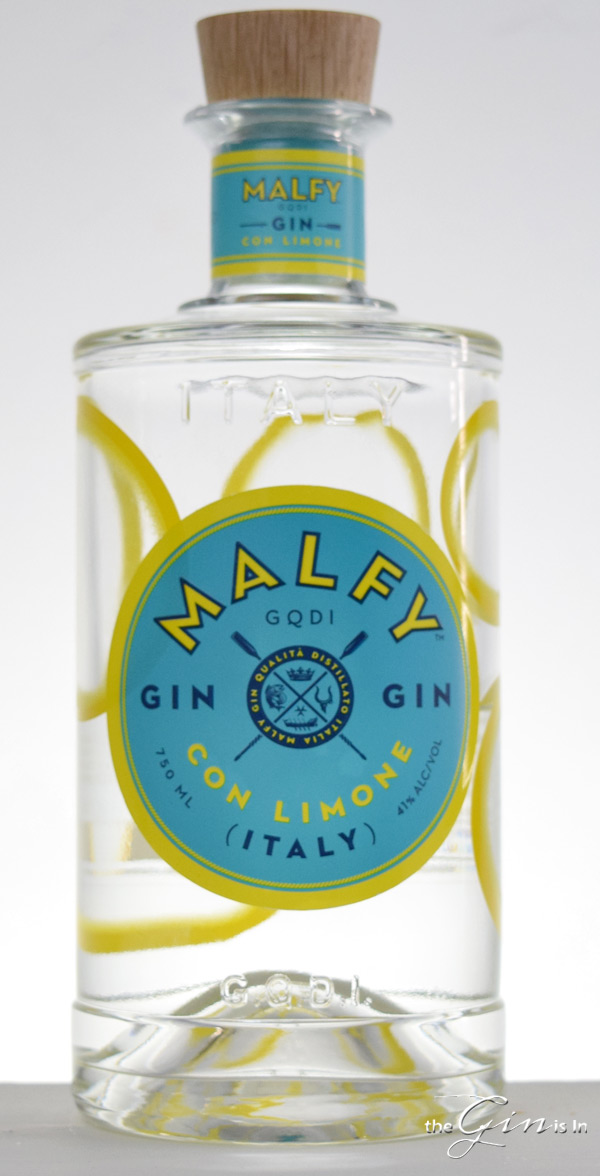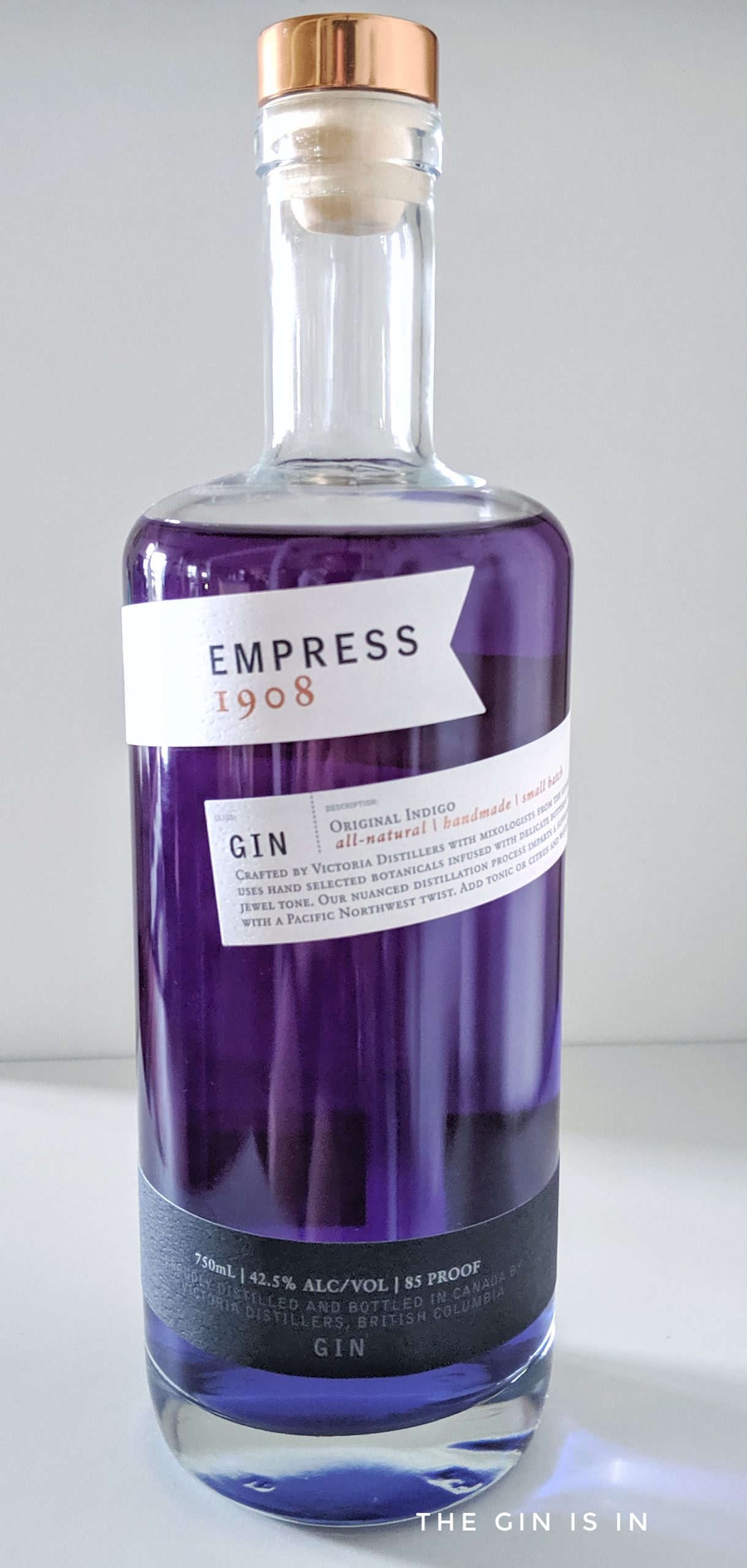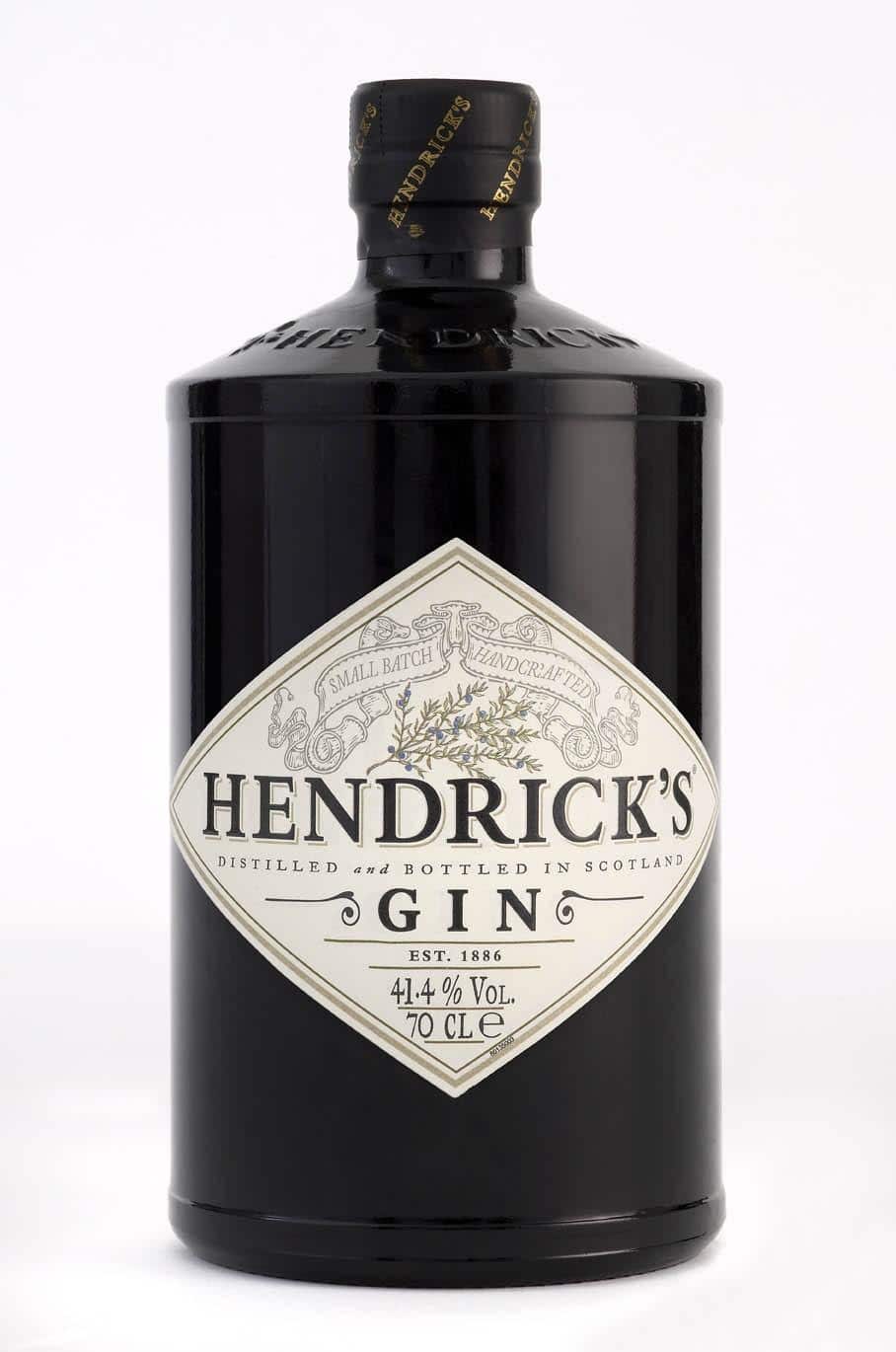

Here's a number that should change how you think about your G&T: in a standard serve, tonic water accounts for 60-75% of the liquid in your glass. Your choice of tonic has more impact on the finished drink than your choice of gin. Let that sink in. Now let's talk about tonic water properly.
What Tonic Water Actually Is
Tonic water is carbonated water flavoured with quinine — a bitter compound extracted from the bark of the cinchona tree — and sweetened with sugar or artificial sweeteners. Modern tonic water contains significantly less quinine than the 19th-century medicinal version (roughly 83mg/L versus 500-1000mg/L), making it a flavouring ingredient rather than a malarial prophylactic.
The bitterness of quinine is the defining characteristic of tonic water and the key reason it pairs so well with gin. Bitterness enhances aromatic perception — it literally makes you smell more of the gin's botanicals — and provides a flavour counterpoint to gin's inherent sweetness and herbal complexity.
The Main Categories
Indian Tonic: The standard style. Medium bitterness, moderate sweetness, clean quinine flavour. This is the most versatile tonic and works with virtually any gin. Fever-Tree Indian Tonic is the benchmark, but Schweppes 1783, Fentimans, and East Imperial are all excellent alternatives.
Light/Slimline Tonic: Lower in calories and sugar, using artificial or natural sweeteners instead. The best light tonics — Fever-Tree Refreshingly Light is the standout — maintain genuine quinine bitterness while reducing sweetness. The worst taste artificial and flat. Worth trying if you're watching your calorie intake, but be prepared to experiment to find one that doesn't compromise the drink.
Mediterranean Tonic: A relatively recent innovation, typically featuring herbal additions like rosemary, thyme, or lemon thyme alongside the quinine. These are designed for contemporary and floral gins, where the tonic's herbal character complements the gin's botanical profile. Fever-Tree Mediterranean and Schweppes Botanical both do this well.
Elderflower Tonic: Infused with elderflower alongside quinine. Sweeter and more floral than Indian tonic, this pairs beautifully with floral and citrus-forward gins but can overwhelm more subtle spirits. Use with intention, not as a default.
Aromatic Tonic: Typically featuring warming spice additions — cinnamon, cardamom, star anise. Designed for spicier gins and winter serves. Fever-Tree Aromatic is the category leader.
Matching Tonic to Gin
The guiding principle is simple: your tonic should complement your gin's dominant flavours, not compete with or override them.
London Dry gins: Indian tonic. Always. The classic pairing works because Indian tonic's clean bitterness lets the gin's juniper and citrus character shine without interference.
Contemporary/floral gins: Mediterranean tonic or elderflower tonic. The herbal and floral tonic character echoes the gin's botanical profile, creating a harmonious drink.
Navy strength gins: Indian tonic, with a higher tonic-to-gin ratio (3:1 or 4:1). The extra tonic dilutes the higher ABV while the assertive quinine bitterness stands up to the gin's intensity.
Flavoured gins: Light tonic or Indian tonic. You want the tonic to support the gin's fruit flavour, not compete with it. Avoid flavoured tonics with flavoured gins — too many flavours create confusion.
Barrel-aged gins: Indian tonic or aromatic tonic. The warmth and spice of these gins benefit from a tonic with corresponding character.
Practical Tips
Buy small formats. Tonic goes flat fast. A 200ml can or bottle is the perfect size for one G&T. Large bottles inevitably lose their fizz before you finish them, and flat tonic ruins a drink — there's no recovering from it.
Store upright and cool. Carbonation lasts longer in upright, refrigerated containers. If your tonic is warm and shaken, it will lose its fizz the moment you open it.
Pour gently. Tip the glass at an angle and pour the tonic slowly down the side. Aggressive pouring knocks the carbonation out. A gentle stir with a bar spoon after pouring is fine; vigorous stirring is not.
Temperature matters. Both the gin and the tonic should be cold. Warm tonic fizzes aggressively (losing carbonation) and produces a warm, flat-tasting drink. Refrigerate your tonic and use plenty of ice in the glass.
Ratio matters. Start with 1:2 (gin to tonic) and adjust to taste. Most people prefer 1:3. Going above 1:4 risks diluting the gin character too much. The right ratio depends on the gin's ABV and intensity — stronger, more assertive gins can handle more tonic.
The Bottom Line
Don't spend £35 on a gin and then drown it in cheap, flat tonic. Your tonic is not a neutral carrier — it's an active ingredient that shapes the entire drinking experience. Treat it with the same care you give your gin, and your G&Ts will improve overnight.