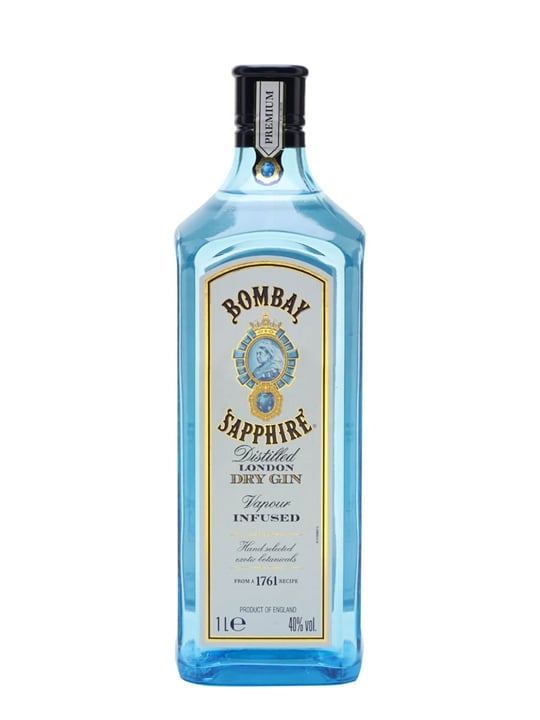
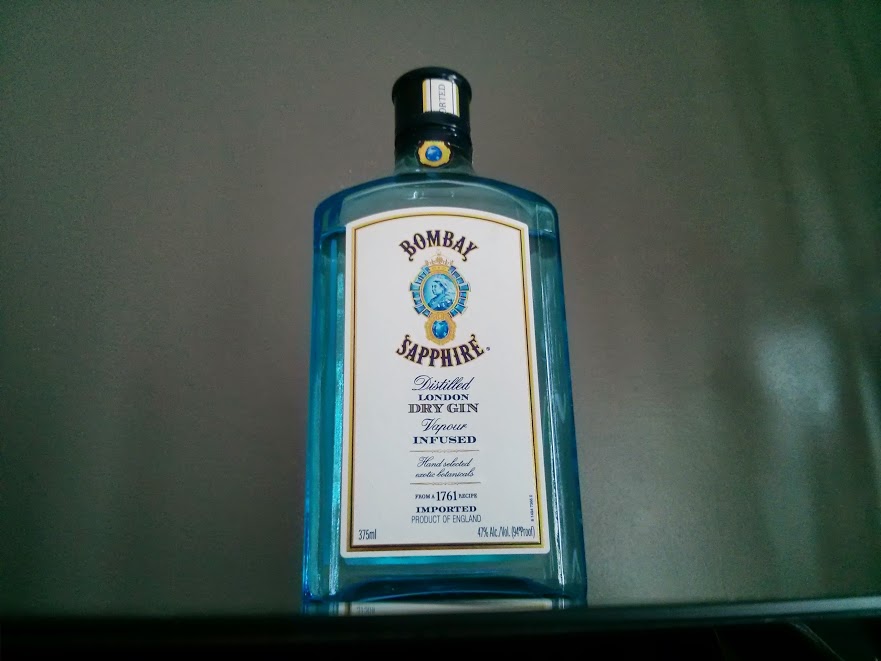

Fever-Tree and Bombay Sapphire have announced a joint venture that could signal a new direction for the premium gin market: a carbon-neutral gin and tonic gift pack, comprising a 70cl bottle of Bombay Sapphire and four cans of Fever-Tree Indian Tonic Water, with verified carbon offsets covering the entire supply chain from botanical sourcing to retail shelf.
The pack, priced at £28.99, goes on sale across major UK retailers this month and will be available in select European markets from September.
How It Works
The carbon-neutral claim is backed by a lifecycle assessment conducted by the Carbon Trust, which calculated the total carbon footprint of both products — including raw materials, production, packaging, distribution, and end-of-life disposal. The combined footprint was calculated at 4.2 kg CO2-equivalent per pack.
This carbon footprint is offset through a portfolio of verified carbon reduction projects, including renewable energy installations in India (where several of Bombay Sapphire's botanicals are sourced) and reforestation programmes in East Africa. The offsets are certified to the Gold Standard, widely considered the most rigorous carbon offset certification available.
Why It Matters
Carbon-neutral claims have become increasingly common in the food and beverage industry, but this is believed to be the first jointly branded carbon-neutral product in the spirits sector. The collaboration between a gin producer and a mixer company reflects a growing recognition that consumers think of gin and tonic as a single serve — and that sustainability claims need to cover the entire drinking experience, not just one component.
"Our consumers don't think of gin and tonic as two separate products," said Bombay Sapphire's global brand director, Natasha Holmes. "They think of it as one drink. So our sustainability efforts need to match that mindset."
Fever-Tree CEO Tim Warrillow echoed the sentiment: "This collaboration demonstrates that competitor brands can work together on sustainability goals that benefit the entire category."
Sceptics Speak
Not everyone is convinced. Environmental campaigners have long argued that carbon offsetting is a distraction from genuine emissions reduction, allowing companies to claim environmental credentials without fundamentally changing their operations.
"Offsetting is not the same as reducing," said Dr James Chen, a sustainability researcher at Imperial College London. "The gold standard would be a genuinely zero-emission product, not one that offsets its emissions by paying someone else to reduce theirs."
Both companies counter that the pack is a "transitional product" — part of a broader journey towards genuine emissions reduction. Bombay Sapphire points to its Laverstoke Mill distillery, which achieved zero waste to landfill in 2022, while Fever-Tree highlights its ongoing transition to recycled glass and aluminium packaging.
Market Response
Early retailer reaction has been positive. Waitrose and Selfridges have both confirmed listings, and Tesco is expected to follow. Analyst projections suggest the pack could sell 200,000 units in its first year — modest by mass-market standards, but significant as a proof of concept.
The pack's £28.99 price point represents a premium of approximately £4 over buying the same products separately, which the companies attribute to the cost of carbon assessment and offsetting. Whether consumers will pay that premium — and whether the sustainability messaging will resonate beyond the most eco-conscious segment — remains to be seen.
But as a statement of intent, the Fever-Tree/Bombay Sapphire collaboration is noteworthy. If it succeeds, expect to see similar joint ventures across the spirits industry within the year.