

The decade-long gin boom may be entering a new phase. Fresh data from the International Wine and Spirits Record (IWSR) shows that global gin sales by volume grew just 1.8% in 2025 — a marked deceleration from the 6-8% annual growth rates that characterised the 2018-2023 period. But the headline figure masks a more nuanced picture, with ready-to-drink (RTD) gin formats emerging as the category's new growth engine.
The Numbers
Total global gin sales reached an estimated 88.4 million nine-litre cases in 2025, up from 86.8 million in 2024. The UK, still the world's largest gin market by per-capita consumption, saw volume decline by 0.7% — the first contraction since 2009. Spain, the world's largest gin market by total volume, was flat. The United States grew by 3.1%, and Southeast Asia — led by the Philippines and Vietnam — grew by 7.4%.
However, the RTD gin sub-category told a dramatically different story. Pre-mixed gin and tonic cans and bottles grew by 22% globally, with particularly strong performances in Australia (+31%), the UK (+19%), and Japan (+28%). RTD gin now represents approximately 12% of total gin category volume, up from just 4% in 2020.
What's Driving the Shift?
Several factors are converging to reshape the gin market. First, market maturation: after a decade of explosive growth driven by craft distillery openings and premiumisation, the category is reaching saturation in its most developed markets. The UK now has over 1,000 gin distilleries — a remarkable number, but one that has created intense competition and shelf-space pressure.
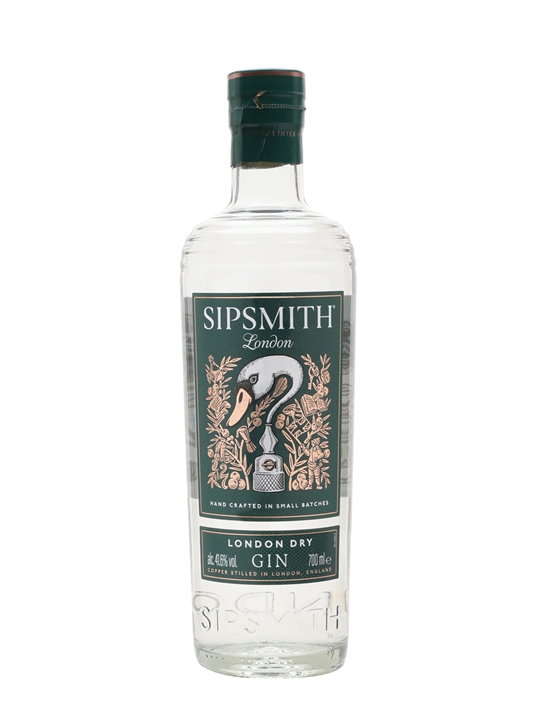
Second, consumer behaviour is shifting. Younger drinkers (25-34) are increasingly favouring convenience — they're happy to pay a premium for a well-made G&T in a can, rather than assembling one from separate bottle and mixer components. The quality of RTD products has improved significantly in recent years, with brands like Sipsmith, Fever-Tree, and Whitley Neill all launching premium pre-mixed ranges.
Third, the on-trade recovery from COVID has been slower than expected. Many consumers who discovered gin during lockdown — often through home mixing — have settled into home consumption patterns that favour RTD formats.
Premium vs. Value
Within the traditional bottled gin category, premiumisation continues to drive value growth even as volume flattens. Average bottle prices in the UK rose by 4.2% in 2025, and gins priced above £30 grew in volume by 6% — suggesting that committed gin drinkers are trading up rather than trading away from the category.
"The gin market isn't declining — it's maturing," said IWSR research director Mark Meek. "We're seeing the same pattern that whisky went through a decade ago: volume growth slows, but value growth continues as consumers prioritise quality over quantity."
Implications for Craft Distillers
The data raises uncomfortable questions for the smaller end of the market. Craft distillers, who drove much of the gin boom, often lack the resources to compete in the RTD space, where production, packaging, and distribution costs create significant barriers to entry.
"The craft gin sector needs to find its sustainable level," said industry consultant Rachel Hughes. "Not every distillery that opened during the boom years will survive the correction. The ones that do will be those with genuine brand loyalty and distinctive products."
Looking Ahead
IWSR forecasts total gin category growth of 1-2% annually through 2030, with RTD formats expected to account for 20-25% of total volume by the end of the decade. The Asia-Pacific region is projected to be the primary driver of new growth, with gin still significantly under-penetrated compared to Western markets.
For the gin industry, the message is clear: the era of easy growth is over. The next decade will be about retention, premiumisation, and format innovation — and the companies that adapt fastest will be the ones that thrive.