
More than 2.5 million people visited UK gin distilleries in 2025, according to new research published by VisitBritain and the Wine and Spirit Trade Association (WSTA). The figure represents a thirty per cent increase on 2024 and establishes gin tourism as a significant and growing contributor to the UK's visitor economy.
The Numbers
The research, based on surveys of 340 UK gin distilleries, found that the average distillery tour generates £42 per visitor in direct spending (tour fees, shop purchases, and on-site tasting experiences). Applied across the 2.5 million visitors, this represents approximately £105 million in direct economic activity — a figure that rises substantially when indirect spending (accommodation, dining, transport) is included.
Scotland leads the way in gin tourism, accounting for approximately thirty-five per cent of total visits. This reflects both the density of Scottish gin distilleries and the region's well-established tourism infrastructure, with many gin distilleries positioned along existing whisky trail routes. England accounts for forty per cent of visits (driven by London, the Cotswolds, and the Lake District), with Wales, Northern Ireland, and the Channel Islands making up the remainder.
The Experience Economy
What distinguishes gin tourism from traditional distillery visits is the emphasis on interactive experience. While whisky distillery tours typically follow a look-and-learn format, gin distilleries have increasingly adopted a hands-on approach. "Gin school" experiences — where visitors blend their own gin using a selection of botanicals and a miniature still — now account for approximately twenty per cent of gin tourism revenue and have become the fastest-growing tour format.
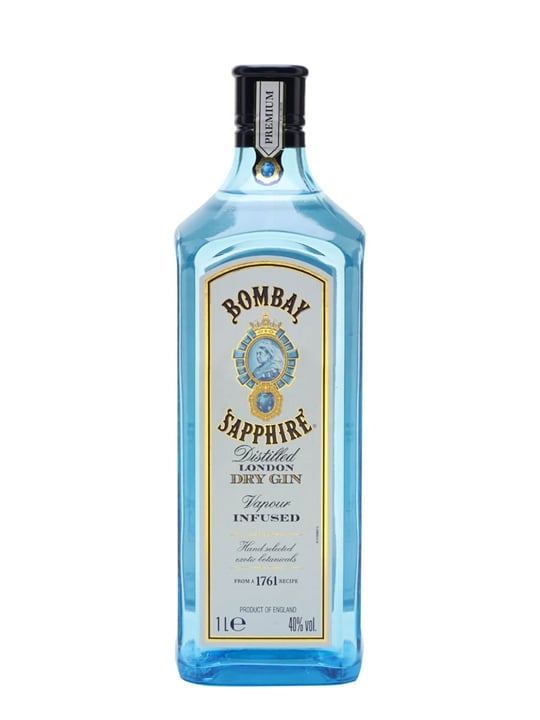
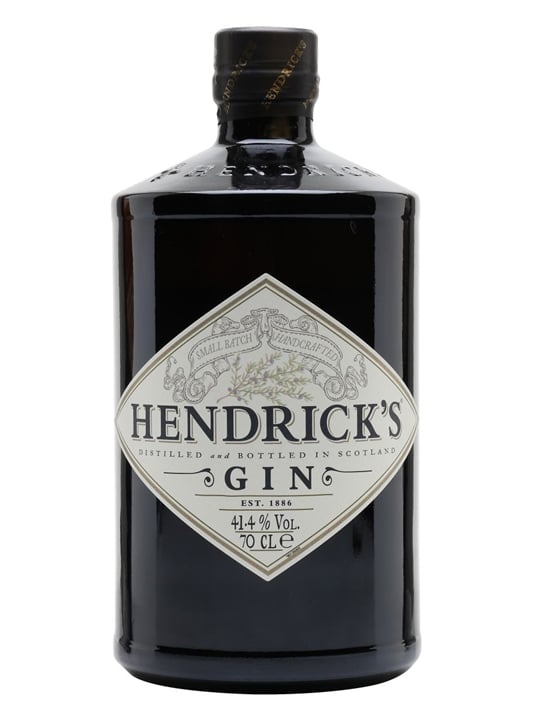
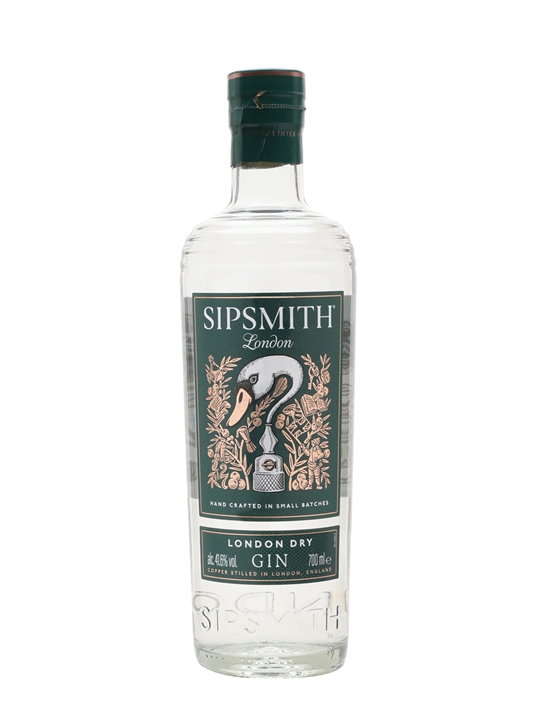
Sipsmith, Hendrick's, Bombay Sapphire, and Edinburgh Gin all offer premium experiences priced between £80 and £150 per person, including guided distillation, tasting flights, and cocktail masterclasses. These experiences are consistently sold out weeks in advance, indicating strong demand at the premium end of the market.
Rural Economic Impact
Perhaps the most significant finding is the economic impact of gin tourism in rural areas. Distilleries in rural locations — which account for approximately sixty per cent of UK gin distilleries — report that visitor spending has become a crucial revenue stream, often exceeding direct gin sales in profitability. Many rural distilleries have become anchor tourism businesses, driving footfall to surrounding restaurants, accommodation providers, and retail businesses.
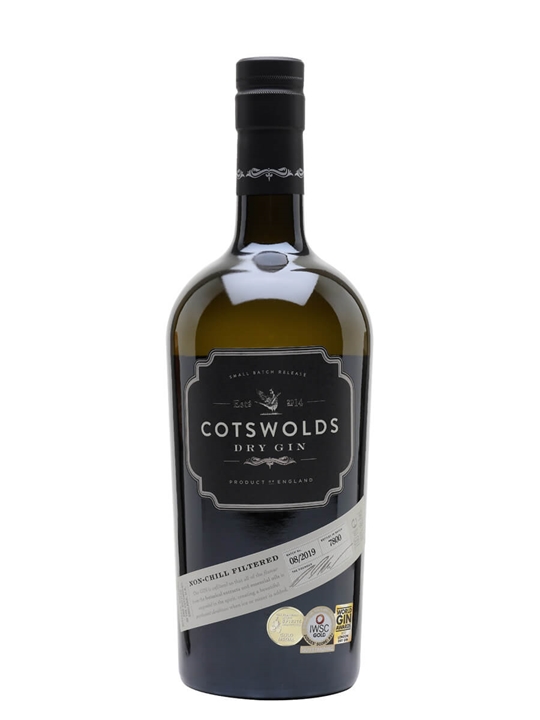
"Our distillery brings about 15,000 visitors a year to a village of 800 people," said the owner of a Cotswolds gin distillery. "The visitors eat in local restaurants, stay in local B&Bs, shop in local stores. The ripple effect is significant."
Challenges
Despite the positive trends, gin tourism faces challenges. Capacity constraints are the most commonly cited issue, with many distilleries operating at maximum tour capacity during summer months. Planning restrictions in rural areas can make expansion difficult, and some distillers report tension between their production needs (which require quiet, controlled environments) and the demands of visitor management.
Staffing is another concern. Skilled tour guides who can combine spirits knowledge with engaging presentation are in short supply, and the seasonal nature of tourism demand makes year-round employment difficult for some smaller operations.
Outlook
VisitBritain forecasts continued growth in gin tourism, projecting 3.5 million annual visitors by 2028. The organisation has begun promoting gin distillery trails as a complement to existing whisky tourism routes, with a new "Great British Gin Trail" marketing campaign launching this summer.
For an industry that produced its first craft distillery tours barely a decade ago, the growth of gin tourism is remarkable. It reflects a broader trend — consumers want to understand, experience, and connect with the products they consume — and gin, with its accessible production process and inherent sensory appeal, is ideally suited to meet that demand.