

Ready-to-drink (RTD) gin cocktails are the fastest-growing segment of the gin market, with global sales increasing by forty-five per cent in 2025 to reach an estimated £1.4 billion, according to new data from Euromonitor International. The figures reflect a fundamental shift in how consumers are approaching gin — particularly younger demographics who prioritise convenience without wanting to sacrifice quality.
The Market
The RTD gin segment is dominated by pre-mixed gin and tonics in cans, which account for approximately sixty per cent of category sales. However, the fastest growth is coming from premium pre-mixed cocktails — canned Negronis, bottled Martinis, and pouch-format gin punches — which grew by sixty-eight per cent year-on-year.
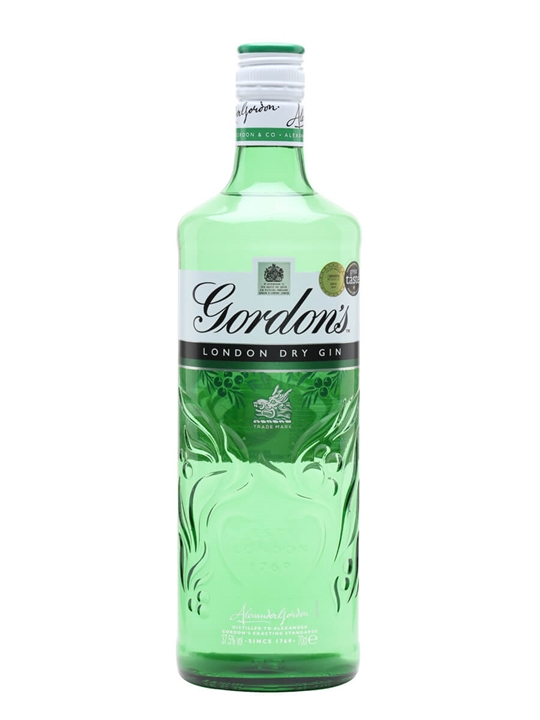
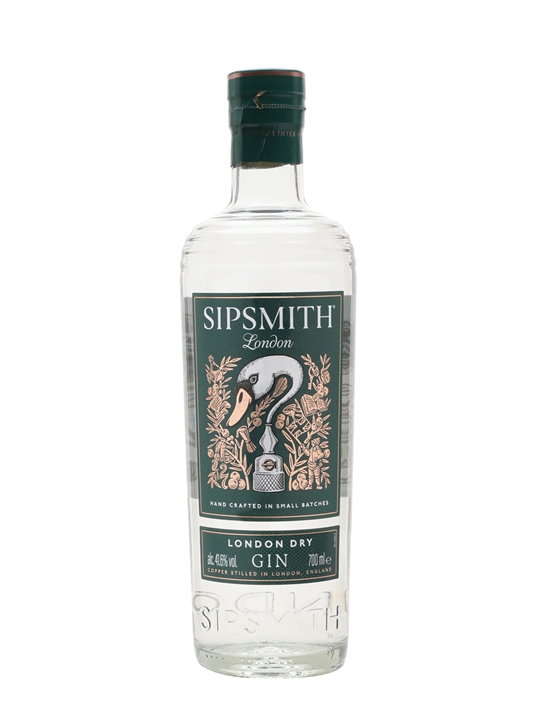
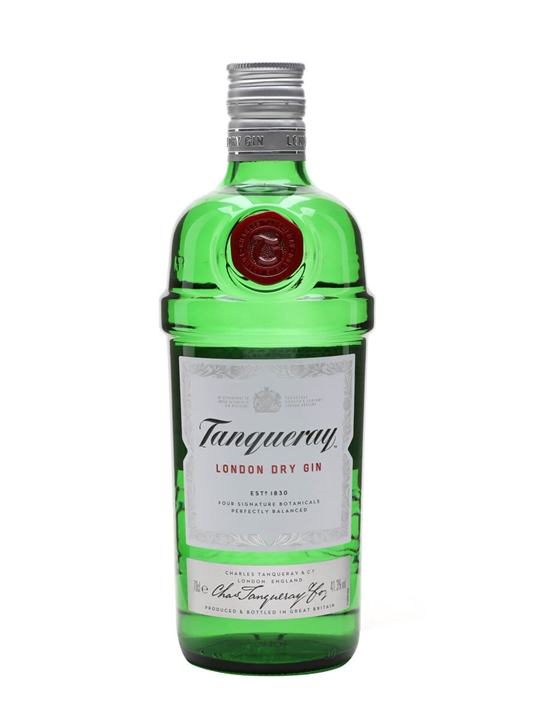
Leading the market are established gin brands extending into RTD: Tanqueray's canned gin and tonics hold approximately fifteen per cent market share in the UK, followed by Gordon's at twelve per cent and Sipsmith at eight per cent. But challenger brands designed specifically for the RTD format are gaining ground rapidly. Whitebox Cocktails, which produces a canned Pocket Negroni, saw sales triple in 2025 and has expanded from the UK into twelve European markets.
The Quality Question
The RTD boom has forced the gin industry to confront a tension between convenience and craft. Many premium gin brands initially resisted the format, viewing cans and pre-mixed drinks as incompatible with their artisanal positioning. That resistance is now crumbling as consumer demand grows and the financial opportunity becomes harder to ignore.
"We held out for years," admitted the founder of a well-known London craft gin brand who recently launched a canned G&T range. "We were worried about brand dilution — literally and figuratively. But the reality is that consumers want our gin in this format, and if we don't offer it, someone else will."
The quality of RTD gin products has improved markedly. Early entries in the market often used lower-quality gin and artificial tonic flavourings. Today's premium RTDs increasingly use the same gin as the bottled product, paired with quality tonic water or cocktail ingredients. Blind tasting panels have found that the best canned G&Ts are difficult to distinguish from freshly made versions.
Demographic Drivers
The growth is being driven primarily by consumers aged 25-40, who represent approximately fifty-five per cent of RTD gin purchases. This demographic values both quality and convenience — they want a good drink without the need for a full bar setup. Outdoor occasions (festivals, picnics, barbecues) account for the largest share of RTD consumption, followed by at-home casual drinking.
The sustainability angle is also relevant. Cans are infinitely recyclable and have a lower carbon footprint per serve than glass bottles plus separate tonic. Several RTD brands are now leading with their environmental credentials, appealing to eco-conscious consumers who want to reduce packaging waste.
What's Next
Industry analysts expect the RTD gin segment to continue growing at twenty to twenty-five per cent annually through 2028, with the total market projected to reach £2.8 billion. Key trends to watch include the emergence of spirit-free RTD gin alternatives (using non-alcoholic gin), super-premium RTDs retailing above £5 per can, and the entry of craft distilleries into the format with limited-edition and seasonal releases.
The RTD revolution is here, and gin is at the forefront. The question is no longer whether premium gin belongs in a can, but whether a can can do justice to premium gin. Increasingly, the answer is yes.