
Fourteen Scottish gin distilleries have banded together to form the Scottish Gin Climate Resilience Alliance (SGCRA), a collaborative initiative aimed at addressing the growing threat that climate change poses to botanical supply chains.
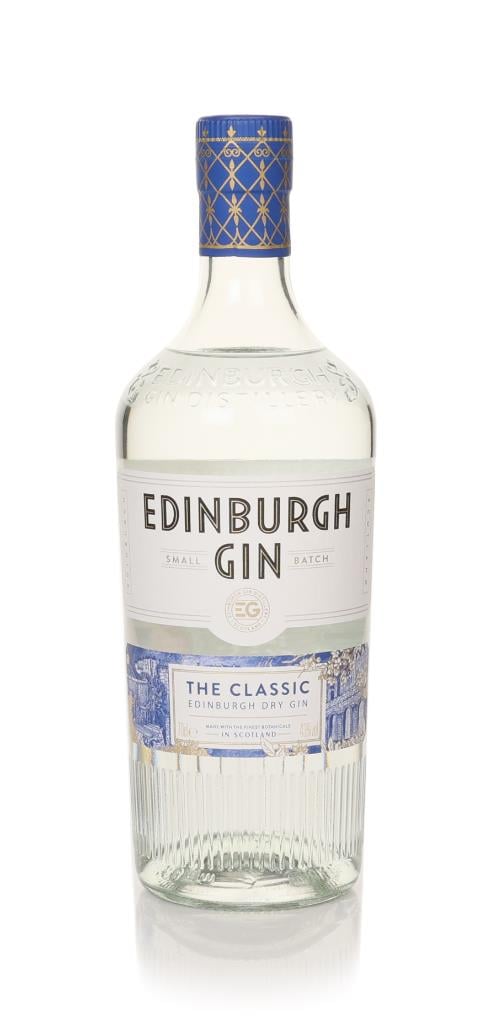
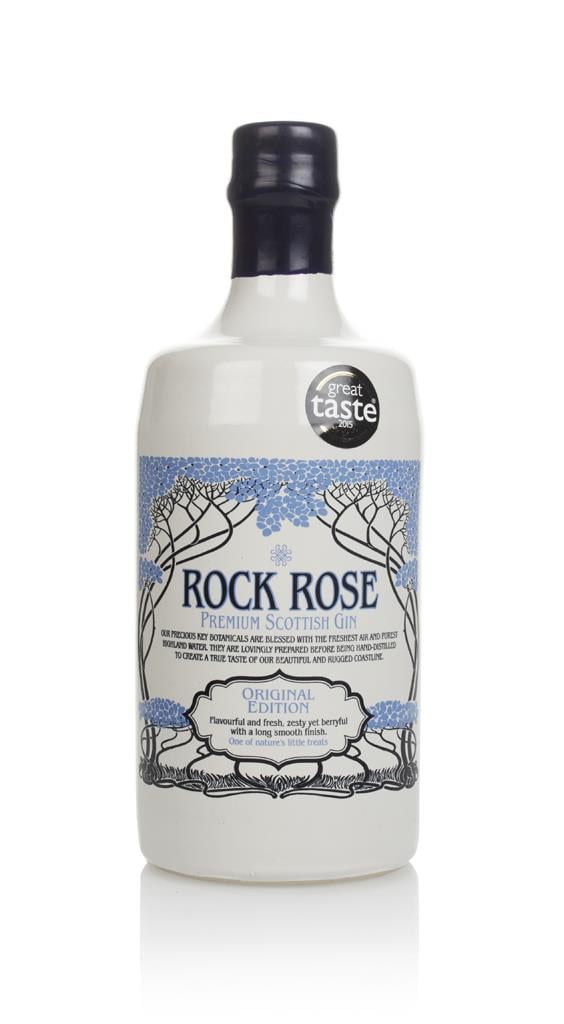
The founding members include a mix of established and emerging producers — among them Edinburgh Gin, Rock Rose, Isle of Harris, and Crossbill — representing a combined annual output of approximately 1.2 million bottles. The alliance was formally launched at the Scottish Gin Summit in Edinburgh this week.
Why Now?
The impetus for the alliance came from a challenging 2025 growing season that saw juniper yields in key European sourcing regions fall by an estimated 22% due to drought conditions in the Mediterranean and unseasonably warm winters in Scandinavia. Several Scottish distillers reported difficulties securing sufficient juniper stock at viable prices.
"We've been talking about this informally for a couple of years, but last year's juniper squeeze was the catalyst," said Dr Fiona MacGregor, SGCRA chair and co-founder of a boutique gin distillery in Speyside. "We realised that individual distillers, particularly smaller ones, simply don't have the leverage or resources to address supply chain risks on their own."
The Programme
SGCRA's initial programme has three pillars. First, a shared botanical sourcing cooperative that will negotiate collectively with growers, providing members with better pricing and priority access during supply shortages. Second, a research programme — funded by a combination of member contributions and a Scottish Enterprise grant — investigating the viability of cultivating key botanicals in Scotland itself.
"Scotland already grows wild juniper, though in limited quantities," noted Dr MacGregor. "Our research will explore whether commercial-scale cultivation is feasible in the Scottish climate, and whether native Scottish juniper can deliver the flavour profiles that distillers require."
The third pillar is a sustainability certification scheme that will allow member distilleries to demonstrate their environmental credentials to increasingly eco-conscious consumers. The scheme will cover carbon emissions, water usage, waste management, and botanical sourcing practices.
Industry Response
The Scottish Gin Society, which represents over 70 producers, welcomed the initiative but stopped short of endorsement. "We support any effort to strengthen the resilience of our industry," said spokesperson Alan Crawford. "We'll be watching SGCRA's progress with interest and considering how it might complement our existing sustainability programmes."
Some industry observers have questioned whether a 14-member alliance can achieve meaningful scale. But advocates argue that its value lies less in purchasing power than in shared intelligence and collective voice.
The Bigger Picture
Scotland is home to approximately 100 gin distilleries — a remarkable number for a nation of 5.5 million people. The industry contributes an estimated £600 million annually to the Scottish economy. Protecting that industry from climate-related disruption is not just a business concern — it's an economic imperative.
Whether SGCRA can deliver on its ambitious agenda remains to be seen. But in an industry that often prides itself on independence and individuality, the willingness to collaborate on shared challenges feels like a significant step forward.