
In a small stone building on the north coast of Cornwall, Tarquin Leadbetter stands beside a copper pot still named Tamara (after the Celtic goddess of the River Tamar) and talks about fire. "Gas gives you a consistent, controllable heat," he says, adjusting the flame beneath the still, "but it does not give you the same character as a direct flame. The hot spots on the copper — the places where the spirit contacts the metal at higher temperatures — create tiny reactions that add complexity. Every still has its own personality, and the heat source is part of that personality."
He is right, of course, and his comment points to something that casual gin drinkers rarely consider: the method by which a gin is distilled is not merely a technical detail. It is a creative choice that shapes every aspect of the finished spirit — its weight, its texture, its aromatic intensity, and the way its botanicals express themselves on the palate. Two distillers could use identical botanicals and produce dramatically different gins, simply by choosing different stills and different methods.
Pot Distillation: The Traditional Method
The copper pot still is the oldest and most revered tool in gin production. It works on a simple principle: a mixture of neutral spirit and botanicals is heated in a copper vessel until it vaporises, the vapour rises through the still's neck and into a condenser, where it cools and returns to liquid form. The result is a distillate rich in the essential oils and volatile compounds that carry botanical flavour.
Pot distillation produces gins of weight, body, and intensity. The spirit has prolonged contact with the botanicals during the heating process, which extracts deeper, more complex flavours — including heavier compounds that create richness and texture on the palate. The copper itself plays a role: it catalyses reactions that remove unpleasant sulphur compounds and adds a subtle smoothness to the spirit.
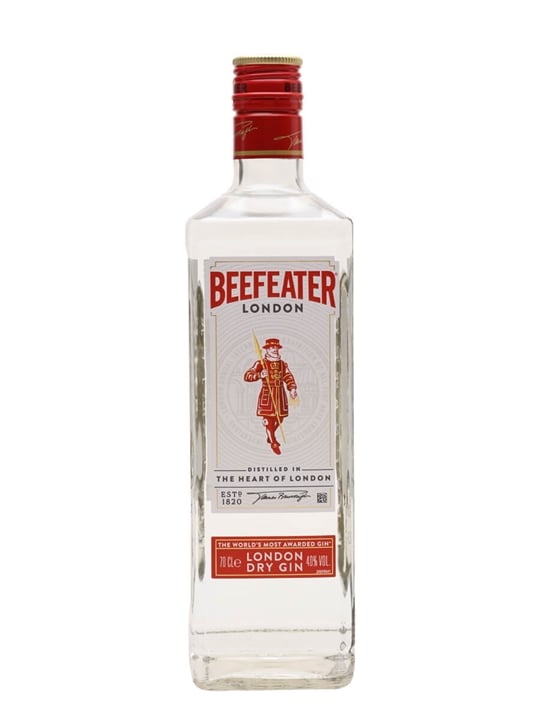
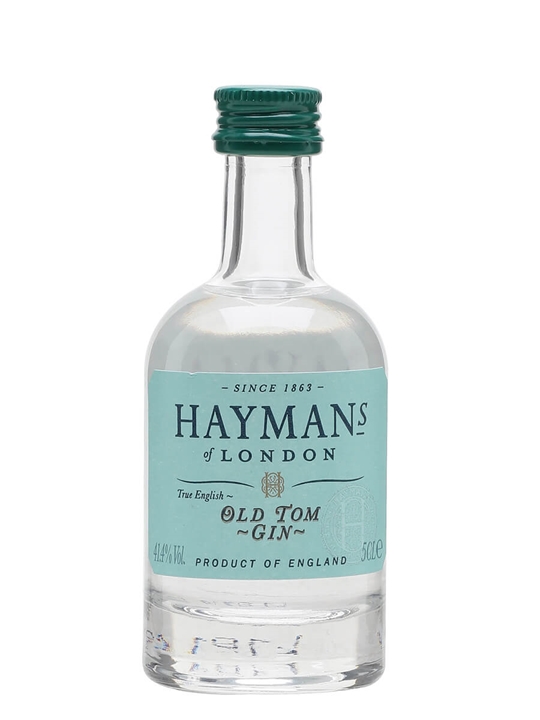
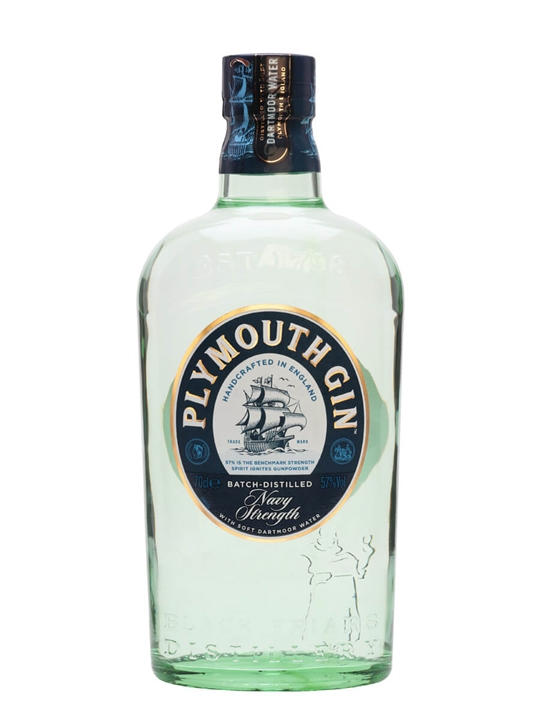
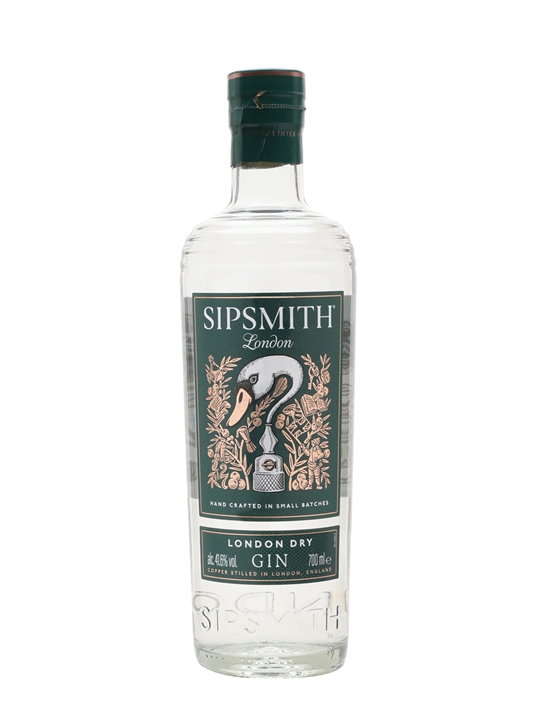
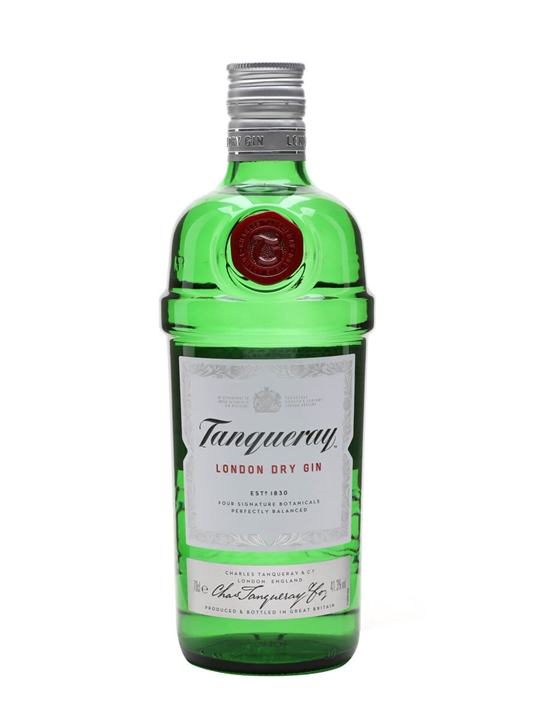
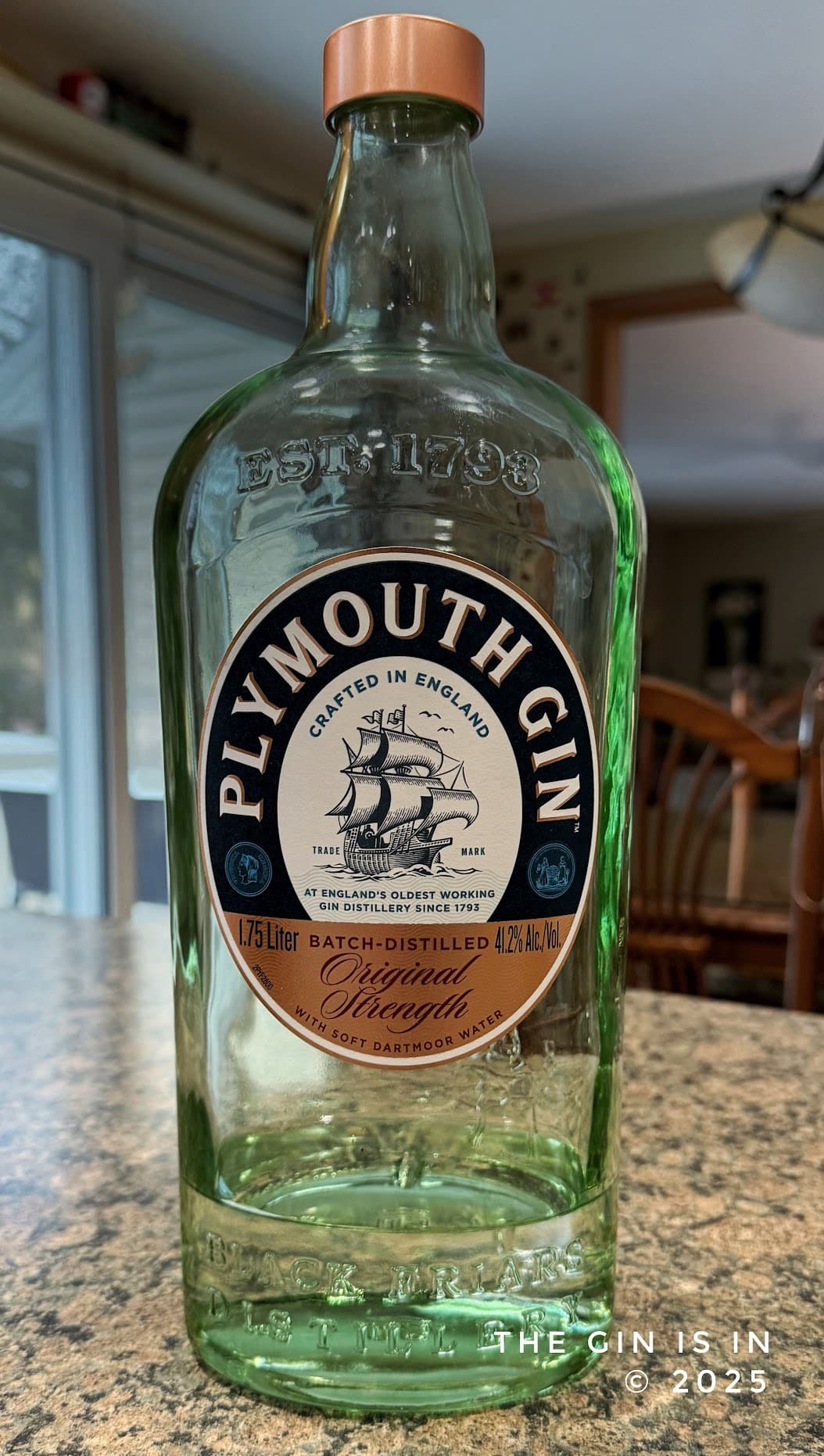
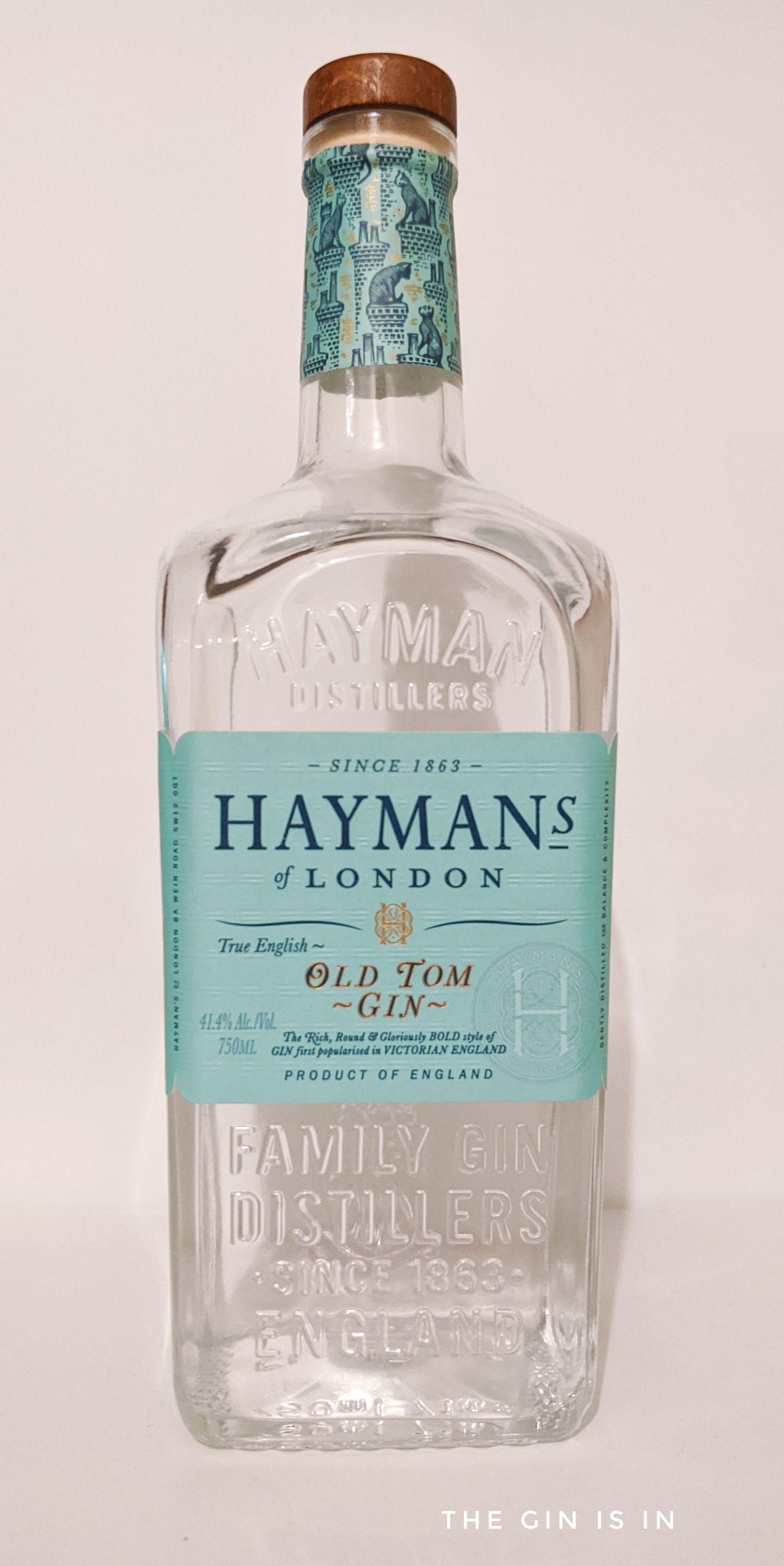
Most premium gins are pot-distilled. Beefeater, Tanqueray, Sipsmith, Plymouth, Hayman's, and the majority of craft distilleries use copper pot stills of various sizes and designs. The shape of the still matters: a tall, narrow neck produces a lighter, more refined distillate (because heavier compounds cannot make it over the tall neck and fall back into the pot), while a shorter, wider neck produces a heavier, more full-bodied spirit.
Steep and Boil vs. Vapour Infusion
Within pot distillation, there are two principal techniques for introducing botanicals to the spirit:
Steep and boil (maceration) is the traditional method. Botanicals are soaked in the base spirit — often overnight, sometimes for twenty-four hours or more — before distillation begins. This extended contact extracts a wide range of flavour compounds, producing a gin with depth, complexity, and pronounced botanical character. Beefeater's famous twenty-four-hour maceration is a classic example.
Vapour infusion is more delicate. Botanicals are placed in a basket or chamber above the liquid spirit, and the rising alcohol vapour passes through them during distillation. Because the botanicals never touch the boiling liquid, the extraction is gentler and more selective — primarily capturing the lighter, more volatile aromatic compounds. The result is a gin that is more delicate, more perfumed, and less heavy on the palate.
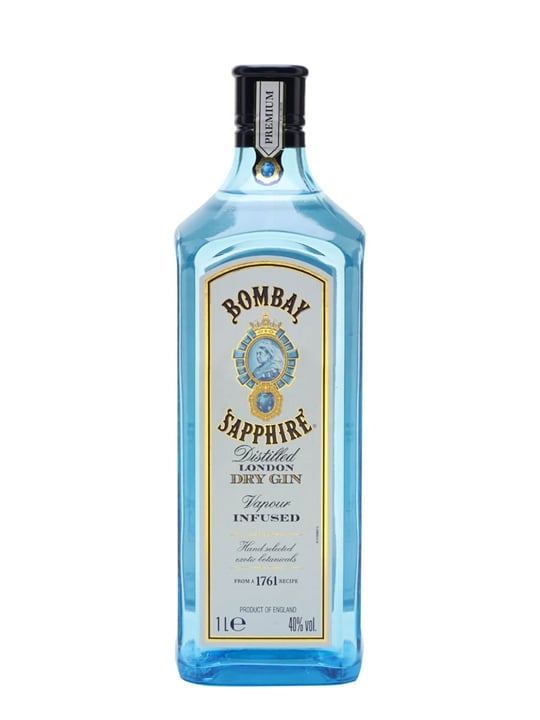
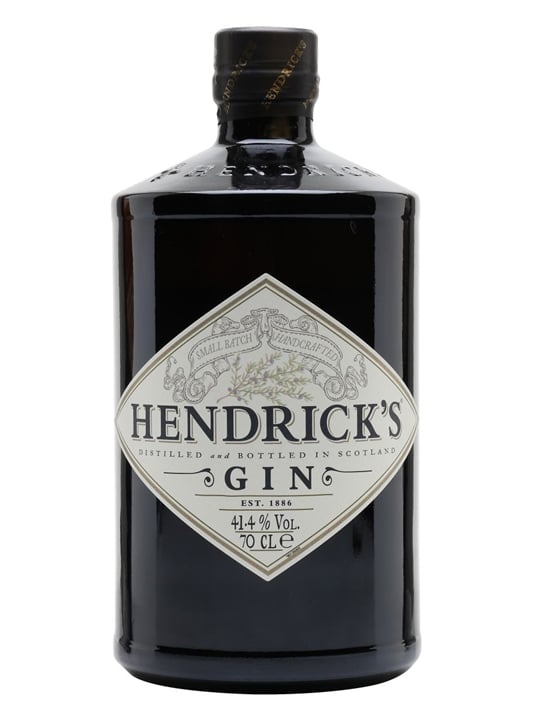
Bombay Sapphire is the most famous vapour-infused gin, and its lighter, more floral character is a direct consequence of the method. Some distillers — notably Hendrick's — use both techniques simultaneously, distilling in two different stills (a pot still for maceration and a Carter-Head still for vapour infusion) and blending the distillates to achieve a specific flavour profile.
Column Distillation
Column stills (also called continuous stills or Coffey stills, after their inventor Aeneas Coffey) work differently from pot stills. Instead of a single batch distillation, the spirit passes continuously through a series of plates or trays within a tall column. Each plate acts as a miniature distillation, progressively stripping away heavier compounds and producing a lighter, purer spirit.
Column distillation is primarily used to produce the neutral base spirit from which gin is made — the high-proof, flavourless grain spirit that serves as the canvas for botanical flavouring. Some gin producers also use column stills for the botanical distillation itself, though this is less common, as the method tends to produce a lighter, less characterful spirit than pot distillation.
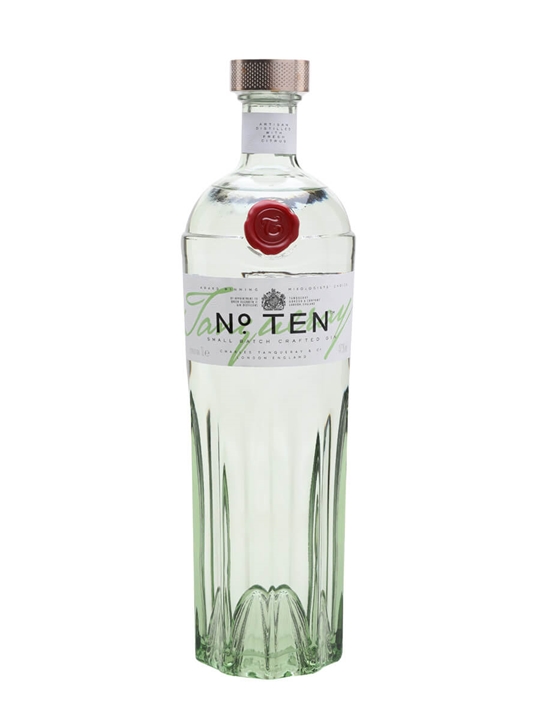
Tanqueray No. Ten is an interesting case: the base Tanqueray gin is produced on a large-scale continuous still, but the No. Ten expression is made in a tiny copper pot still (nicknamed "Tiny Ten") that allows for much greater control and a more delicate, nuanced spirit.
Vacuum Distillation
Vacuum distillation is the newest and most technically sophisticated method. By reducing the air pressure inside the still, the boiling point of the spirit is lowered dramatically — sometimes to as low as 30 degrees Celsius, compared to the 78 degrees at which alcohol boils at atmospheric pressure. This allows the spirit to be distilled at much lower temperatures, which preserves the most delicate and heat-sensitive botanical compounds that would be destroyed or altered by conventional distillation.
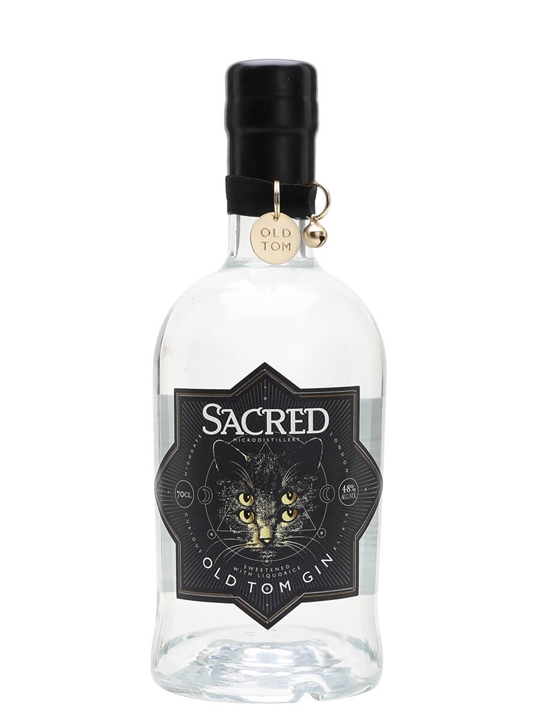
Sacred Gin, produced in a residential house in Highgate, north London, is perhaps the best-known vacuum-distilled gin. Distiller Ian Hart processes each botanical separately under vacuum, then blends the individual distillates to create the final gin. The result is a spirit of extraordinary clarity and freshness, where botanicals taste remarkably close to their natural state — as though you had crushed a juniper berry, a strip of lemon peel, and a cardamom pod directly into the glass.
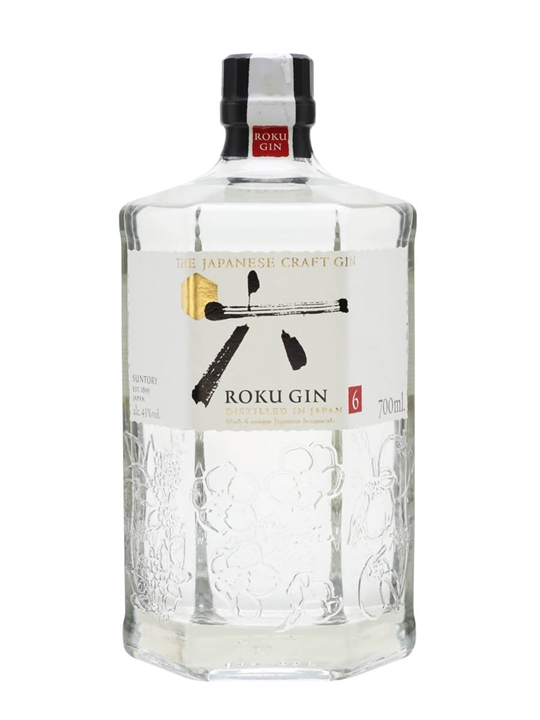
Roku, Suntory's Japanese gin, uses vacuum distillation for its most delicate botanicals (sakura blossom and sencha tea) while using pot distillation for the more robust ones — a hybrid approach that reflects the Japanese attention to detail and ingredient-first philosophy.
Compound Gin
Compound gin is the simplest method — and the most controversial. Rather than distilling botanicals in the spirit, the producer simply adds botanical essences, flavourings, or cold-distilled extracts to a neutral spirit and bottles the result. No redistillation takes place. The method is quick, inexpensive, and requires no still at all.
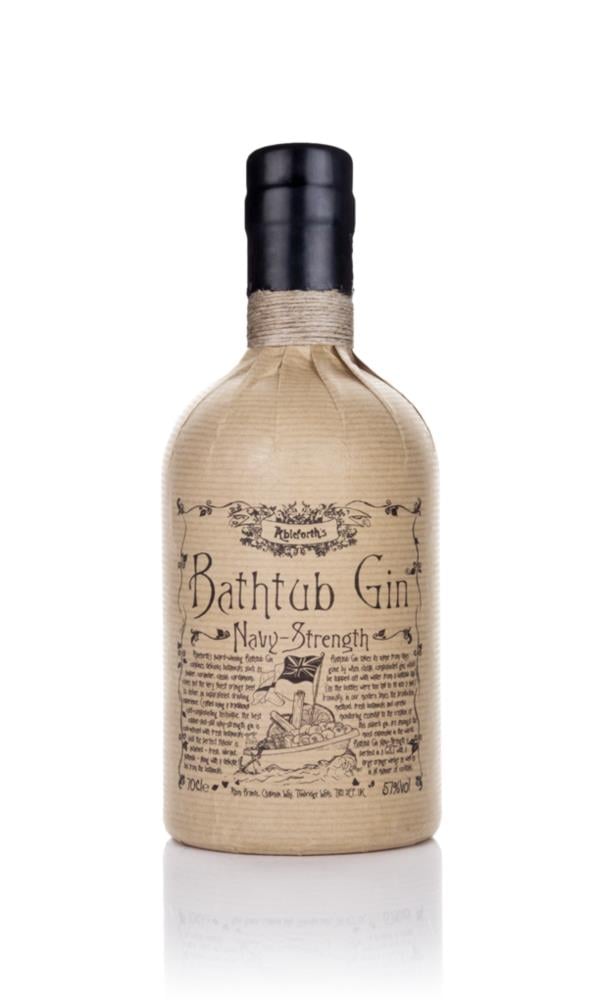
Purists dismiss compound gin as "bathtub gin" — a reference to the Prohibition era, when bootleggers would flavour raw alcohol with juniper extract in their bathtubs. And it is true that many compound gins are cheap, poorly made, and lacking in the depth and complexity that distillation provides. The method does not allow for the same interplay between botanicals, the same copper-catalysed reactions, or the same careful separation of heads, hearts, and tails that defines pot distillation.
However, modern cold-compounding techniques — which use advanced extraction methods like supercritical CO2 extraction or rotary evaporation — can produce spirits of genuine quality and complexity. Pentire, a non-alcoholic "botanical spirit" from Cornwall, uses cold distillation and extraction to capture botanical flavours without alcohol. And some gin producers use cold-compounding for specific botanicals that are too delicate to survive heat distillation, adding them to a pot-distilled base to create a hybrid product.
Why It Matters
Understanding distillation methods will not make you a better gin drinker overnight, but it will give you a vocabulary for describing what you taste. When you notice that a gin has a heavy, oily mouthfeel and deep, resinous juniper, you are probably tasting a pot-distilled, macerated gin. When you notice delicate, perfumed, almost ethereal floral notes, you are likely tasting a vapour-infused or vacuum-distilled gin. When a gin tastes simple, flat, and one-dimensional, there is a good chance it was compounded rather than distilled.
The still is not the only factor — the botanicals, the water source, the distiller's skill and judgment all play their part — but it is the foundation upon which everything else is built. Every gin begins in the still, and the choices made there echo in every sip.
The next time you pour a gin, think about the copper, the heat, the rising vapour, and the centuries of craft that shaped the spirit in your glass. It will taste better for it. I promise.