
There is a test — apocryphal, probably, but too good not to repeat — that the Royal Navy is said to have used to verify the strength of the gin issued to its officers. A measure of gin was poured over a few grains of gunpowder and ignited. If the gunpowder burned with a steady blue flame, the spirit was "proof" — strong enough to be deemed acceptable. If it merely fizzled and died, the gin had been watered down by an unscrupulous purser, and there would be consequences.
The proof point at which gunpowder would reliably ignite was approximately 57% ABV, or 100 degrees proof on the old British proof scale. This is Navy Strength — not a marketing term invented by a brand consultant, but a designation born from the practical necessities of life at sea, where gin was medicine, morale, and currency, and where its strength was a matter of operational importance.
Gin and the Senior Service
The Royal Navy's relationship with gin stretches back to the early eighteenth century, when British sailors first encountered genever — the Dutch precursor to gin — during the Anglo-Dutch wars. They brought the taste home with them, and by the mid-1700s, gin had become the unofficial spirit of the officer class (the lower ranks drank rum, distributed as a daily ration until 1970).
Officers received a daily gin ration, stored in barrels below decks alongside the ship's gunpowder stores. The practical concern was straightforward: if a barrel leaked, or was damaged in battle, the gin could saturate the gunpowder. At lower proof, this would render the powder useless. At Navy Strength, however, the gunpowder would still ignite. The spirit's potency was, in the most literal sense, a matter of national defence.
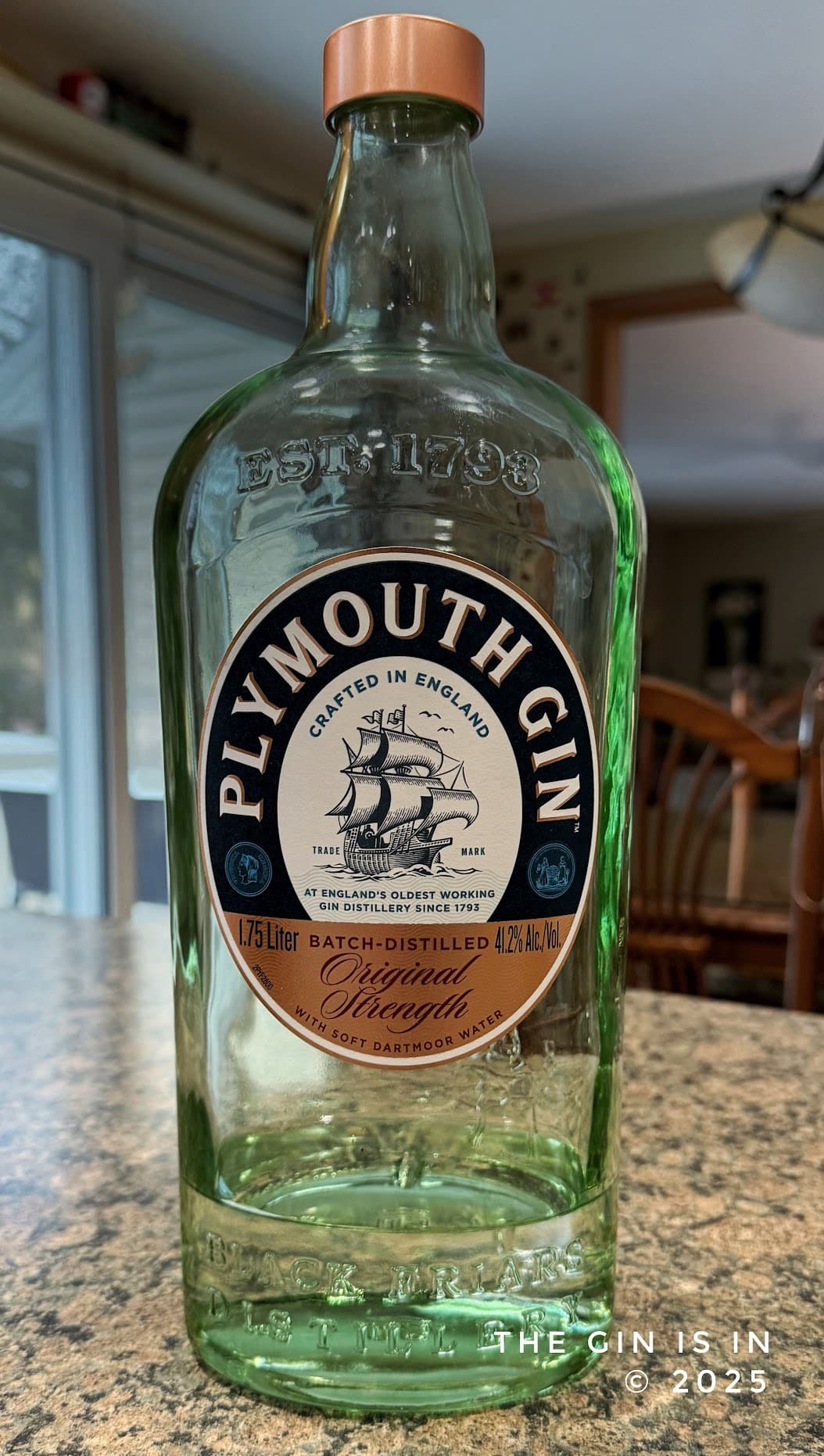
Plymouth Gin was the brand most closely associated with the Royal Navy, specified by name in the Admiralty's victualling orders from the late eighteenth century onwards. The officers' ritual of mixing gin with Angostura bitters — invented as a cure for seasickness — gave birth to the Pink Gin, a cocktail that remained a fixture of Royal Navy wardrooms well into the twentieth century.
What Navy Strength Tastes Like
The obvious question is whether Navy Strength gin simply tastes like regular gin turned up to eleven. The answer is more interesting than that. At 57% ABV, the higher alcohol content acts as a more effective solvent for the essential oils and volatile compounds that carry botanical flavours. This means that, when well-made, Navy Strength gin does not just taste stronger — it tastes more. More juniper. More citrus. More spice. More everything. The botanical character is amplified and concentrated, and flavours that might be subtle at 40% become vivid and unmistakable at 57%.
There is also a textural difference. The higher alcohol gives the spirit more weight and viscosity on the palate — a richness and density that lower-strength gins cannot replicate. This makes Navy Strength gin particularly effective in cocktails, where the gin must compete with other strongly flavoured ingredients. In a Negroni, for example, a Navy Strength gin will hold its own against Campari in a way that a 40% ABV gin simply cannot.
The Best Navy Strength Gins
Not every distiller produces a Navy Strength expression, and those that do tend to treat it as a showcase for their craft. These are some of the finest I have encountered:
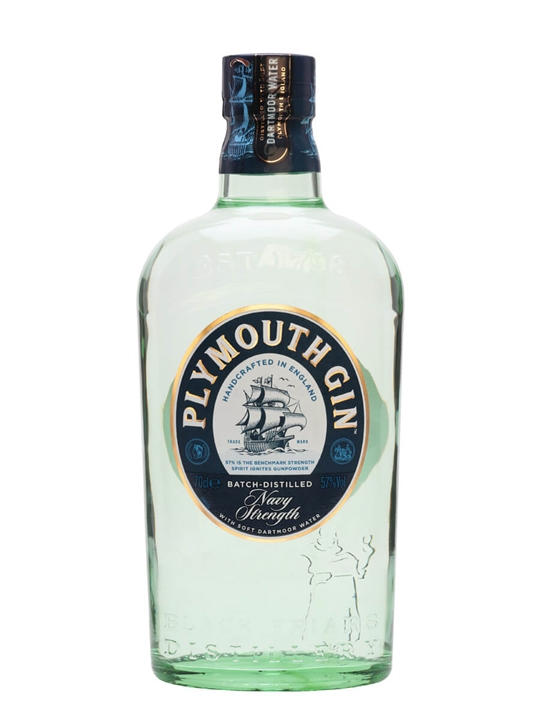
Plymouth Navy Strength (57% ABV) — the historical benchmark. Richer and more intense than standard Plymouth, with amplified juniper and a wonderful warmth from the cardamom. It makes a magnificent Pink Gin and a ferocious Gimlet.
Tarquin's Cornish Navy Strength (57% ABV) — distilled in tiny batches on the north Cornish coast, this gin uses Devon violets and fresh orange peel alongside juniper and coriander. At Navy Strength, the floral and citrus notes become vivid and almost synaesthetic — you can practically smell the Cornish coast.
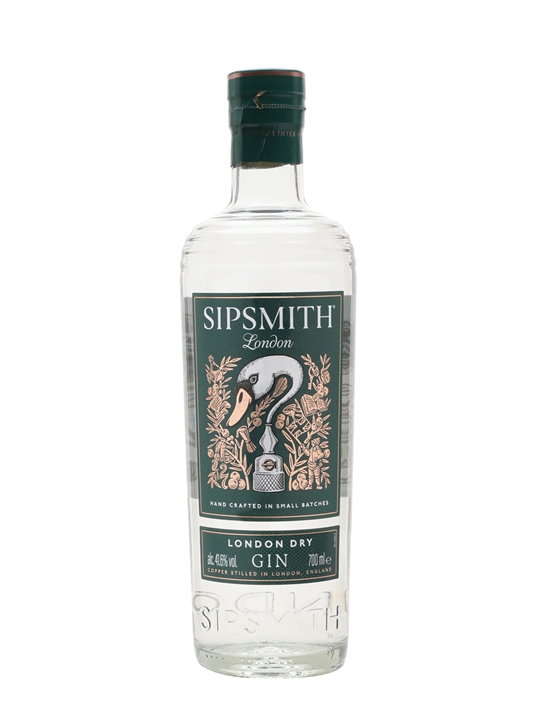
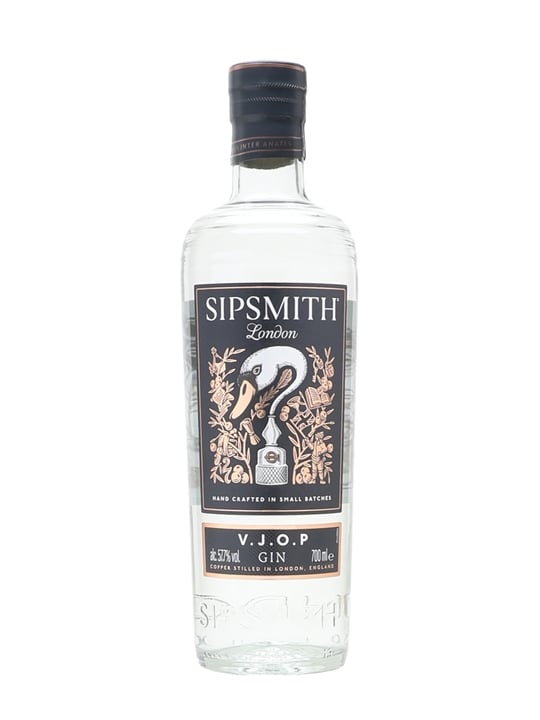
Sipsmith VJOP (Very Junipery Over Proof, 57.7% ABV) — Sipsmith's Navy Strength expression pushes juniper to the absolute foreground. It is, as the name suggests, very junipery, and it makes what might be the best Martini of any gin on this list.
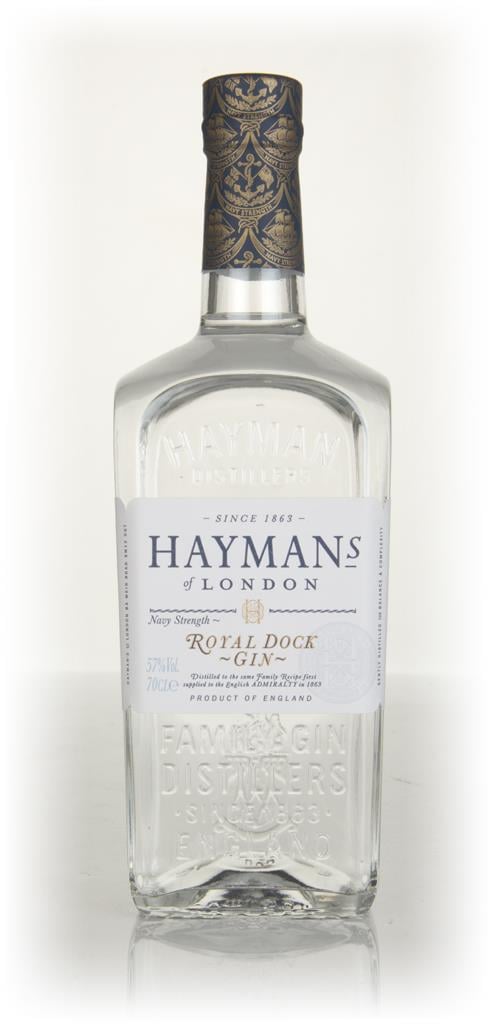
Hayman's Royal Dock Navy Strength (57% ABV) — named for the Royal Docks in east London where the Navy's gin was once stored, this is a classic, juniper-forward expression that honours the historical tradition while being thoroughly modern in its balance and refinement.
Perry's Tot Navy Strength (57% ABV) — from the New York Distilling Company, named after Matthew Calbraith Perry, the last US Navy officer to oversee the daily spirit ration. A bold, brash, American take on the style, with assertive juniper and a long, warming finish.
How to Drink It
Navy Strength gin is not a spirit to be approached carelessly. At 57% ABV, it demands respect and benefits from thoughtful preparation. Neat, it can be overwhelming for all but the most seasoned palates. But served properly — in a cocktail, or with tonic and a generous quantity of ice — it reveals its true character: not just strong, but concentrated, intense, and deeply flavourful.
The Gimlet (two parts gin, one part Rose's lime cordial, stirred with ice and strained) is where Navy Strength truly shines. The sweetness and acidity of the cordial tame the alcohol while amplifying the botanical complexity. It is also superb in a Martini, where the higher proof stands up to the vermouth and creates a drink of real power and elegance.
And if you want to understand the spirit's history in the most direct way possible, make a Pink Gin: two dashes of Angostura bitters in a chilled glass, swirl to coat, add a large measure of Navy Strength Plymouth, and nothing else. It is austere, bracing, and magnificent — a drink that tastes of oak-panelled wardrooms and salt air and centuries of tradition.