
First Impressions
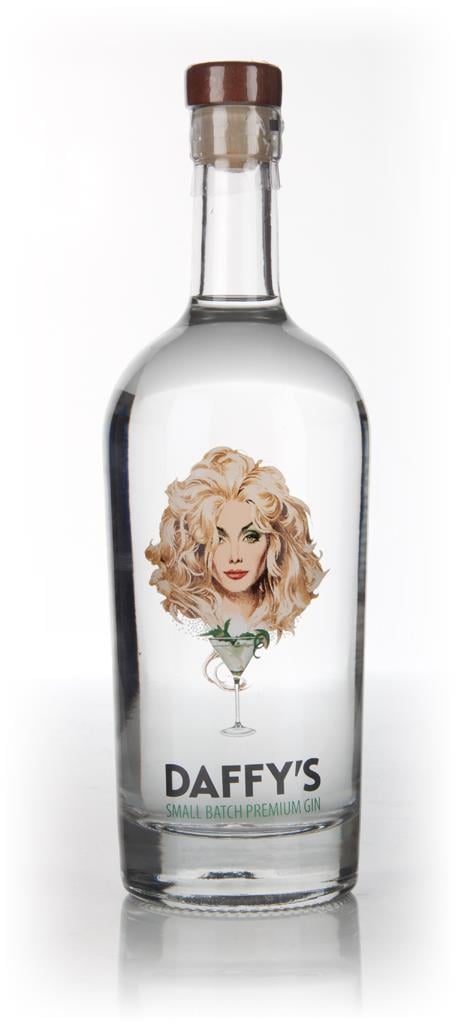
Daffy's Gin comes from Edinburgh, but the spirit behind it is patience. Where most gins are distilled in around four hours, Daffy's undergoes a remarkable 9.5-hour distillation in an ancient copper pot whisky still — more than twice the industry standard. The slower process allows for a gentler extraction of botanical oils, and the distillers believe the resulting spirit has a smoothness and depth that faster methods cannot achieve. It is a conviction worth testing.
Eight botanicals, a very specific 43.4% ABV (the precise point the distillers deemed optimal), and a commitment to small-batch production make Daffy's a gin that takes its craft seriously without being humourless about it — the name, after all, is an invitation not to take yourself too seriously.
The Distillery
Strathmashie Distillery produces Daffy's in Edinburgh, using a copper pot still that was originally designed for whisky production. The botanical bill comprises eight ingredients: juniper, Lebanese mint, coriander, angelica root, lemon peel, orange peel, cassia bark, and orris root. The Lebanese mint is the most distinctive inclusion — a variety that brings a cleaner, more refined mintiness than peppermint or spearmint, contributing freshness without overwhelming the other botanicals.
The slow distillation process means each batch takes the best part of a working day to complete, and the distillers monitor the spirit cut with particular care, collecting only the heart of the run where the botanical expression is most balanced.
Tasting
The nose announces Daffy's most distinctive characteristic immediately: pronounced woody and nutty angelica root — an unusual botanical to lead with, but here it works beautifully. Coriander seed spice provides warmth, and floral eucalyptus pine from the juniper adds a fresh, resinous quality. There are hints of toffee and caramel that suggest the long distillation has allowed the spirit to develop flavours that faster processes might miss. It is a complex, layered nose that rewards attention.
On the palate, the gin is dry and resinous. Piney juniper leads with authority, but the juniper here is more refined than aggressive — the slow distillation has softened its edges. Zesty citrus from the lemon and orange peels provides brightness, while cassia and coriander seed spice contribute warmth and complexity. The underlying minty quality from the Lebanese mint is subtle but present — a cooling freshness that lifts the palate and prevents the dry, resinous character from becoming heavy. At 43.4%, the mouthfeel is clean and smooth, with enough body to carry the botanical complexity.
The finish is long and dry, with the nutty angelica root reasserting itself in the aftertaste alongside warm, slightly toffee-like notes. It is a satisfying, contemplative finish that lingers without outstaying its welcome — the kind of finish that makes you want to sip slowly rather than gulp.
How to Drink It
The minty freshness and nutty depth make Daffy's an excellent gin for a G&T with Fever-Tree Indian Tonic and a sprig of fresh mint — the garnish amplifies the Lebanese mint botanical and creates a drink of wonderful freshness. For a twist, try it with Mediterranean tonic and a thin slice of apple, which brings out the toffee notes.
In cocktails, the slow-distilled smoothness makes it a superb Martini gin — the nutty angelica and dry juniper create a drink of real sophistication. The mint also makes Daffy's an inspired choice for a Southside cocktail, where the gin's own mint harmonises with the fresh mint in the recipe.
The Bottom Line
Daffy's earns an 8 for demonstrating that patience in distillation genuinely translates to quality in the glass. The 9.5-hour process produces a gin with a smoothness, depth, and nutty complexity that faster distillations cannot match, and the Lebanese mint is a subtle but effective point of distinction. At around £35, it represents excellent value for a craft gin of this quality, and the very specific 43.4% ABV speaks to a distillery that sweats the details. This is a gin made by people who believe the extra hours are worth it — and they are absolutely right.