
First Impressions
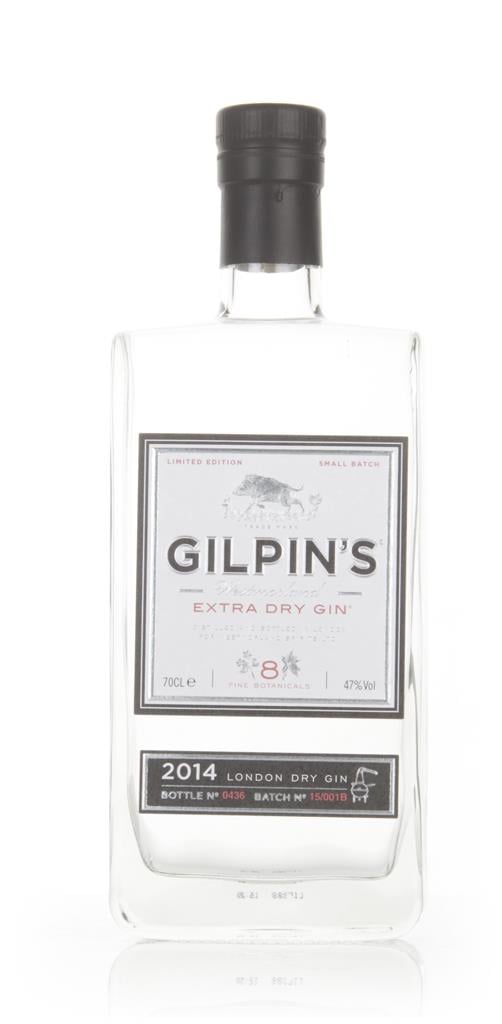
Gilpin's Westmorland Extra Dry Gin is not a gin that eases you in gently. Bottled at a commanding 47% ABV and distilled in small batches at Thames Distillery in London, it announces its intentions from the moment you uncork the embossed bottle — each individually numbered by batch and bottle. The water, sourced from the Holy Well Spring at Cartmel in the English Lake District, is the gin's defining geographical conceit, and it lends a certain romance to what is otherwise an admirably no-nonsense spirit.
Eight botanicals. Wheat neutral spirit. A traditional pot still. And a price point around £37 that places it firmly in the premium tier. The question is whether the contents justify the provenance story.
The Distillery
Thames Distillery, based in Clapham, London, is one of the capital's most prolific and respected contract distillers. They produce gins for a considerable number of brands, and their experience with the pot still method is beyond question. For Gilpin's, the botanical bill is distinctive: juniper, sage, borage, lemon peel, lime peel, bitter orange, coriander seed, and angelica root. The inclusion of sage and borage — both herbs more commonly associated with the kitchen garden than the still — gives the gin a herbal personality that sets it apart from the citrus-heavy contemporary competition.
Tasting
The nose is immediately arresting. Fresh green pine forest dominates — proper, resinous juniper at full volume — with sage and thyme adding an herbal complexity that is almost culinary in its intensity. There are faint camphor notes lurking at the edges, and a mentholated freshness that speaks to the quality of the juniper. This is not a nose for the faint-hearted; it is a gin that smells like it means business.
On the palate, the 47% ABV earns its keep. Bitter resinous pine leads, supported by sage, peppery basil, and coriander that gives a lively, spice-driven mouthfeel. Fresh flat-leaf parsley adds a green, almost savoury note, and there is a curious chewing gum quality — clean, minty, slightly sweet — that some will find engaging and others peculiar. The earthy bitterness of angelica root caps the experience, grounding the botanical bill and preventing the pine and spice from becoming one-dimensional.
The finish is where Gilpin's shows its mettle. Lingering bitter, sappy pine dominates, but coriander and sage assert themselves with a spicy peppery bite that works beautifully in cocktails. There is a pithy bitterness that lingers on the palate, bringing impressions of dark bitter chocolate. It is a long finish — substantially longer than most gins at this price point — and the 47% strength ensures the botanicals carry through without dilution fatigue.
How to Drink It
Gilpin's is a gin that thrives in a Martini. The high ABV, resinous juniper, and herbal complexity create a drink of genuine authority — try it at 5:1 with a twist of lemon to complement the citrus peel botanicals. For a G&T, use a classic Indian tonic and garnish with a sprig of fresh sage, which amplifies the gin's most distinctive botanical.
In cocktails, the peppery finish makes it an excellent Negroni gin — the bitterness of the Campari finds a natural partner in the gin's own bitter pine and angelica. It also makes a superb Last Word, where the herbal intensity holds its own against green Chartreuse.
The Bottom Line
Gilpin's Westmorland Extra Dry Gin earns a 7.5 for delivering a bold, uncompromising London Dry that knows exactly what it wants to be. The sage and borage give it a herbal personality that distinguishes it from the crowd, the 47% ABV provides genuine body and botanical intensity, and the Lake District spring water adds a softness to the mouthfeel that prevents the assertive flavours from becoming abrasive. It is not a gin for everyone — the pine and herbal intensity will polarise — but for those who appreciate a muscular, traditional gin with a point of view, Gilpin's is an excellent and slightly underappreciated bottle.