
First Impressions
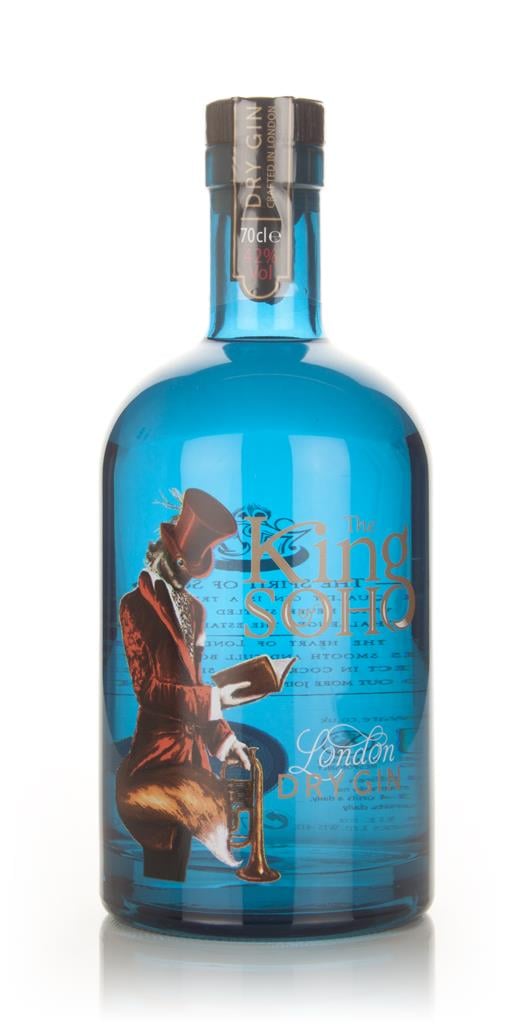
King of Soho takes its name from Paul Raymond — the property magnate, publisher, and impresario who came to define London's most celebrated square mile of hedonism. His son Howard created this gin as a tribute, and it is distilled at Thames Distillery in London using twelve botanicals and traditional pot still methods. The branding is undeniably evocative: the art deco bottle, the Soho mythology, the promise of something with character and a hint of danger.
At 42%, it sits at a strength that suggests a certain seriousness of purpose, and the twelve-botanical bill promises complexity. Whether the gin delivers on the swagger of its branding is another question entirely.
The Distillery
Thames Distillers in Clapham handles the production — a distillery with an impeccable reputation for quality and consistency. The twelve botanicals include juniper, grapefruit peel, coriander seeds, angelica root, and cassia among others. The inclusion of grapefruit peel is a nod to the contemporary palate, while cassia — a cousin of cinnamon with a more intense, hotter spice character — turns out to be the most consequential botanical in the bill.
Tasting
The nose is muscular and assertive. Pungent piney juniper leads, accompanied by significant spice — the cassia making its presence felt immediately. Musky, woody, and rooty aromas from the angelica add depth, and grapefruit provides a citrus brightness that cuts through the heavier notes. The generous cassia cinnamon is apparent even at this stage, and it signals what is coming on the palate. It is an arresting nose, though not a subtle one.
On the palate, cassia takes command. The hot cinnamon spice is forward and assertive — Difford's Guide describes it as overpowering the juniper, and that characterisation is not unreasonable. The cassia dominates the mid-palate with a fierce warmth that some will find exciting and others will find unbalanced. Grapefruit bitterness provides counterpoint on the back of the palate, and there is an earthy sweetness that softens the spice somewhat. The combination of sweetness, citrus, and earthiness creates an interesting drink, but the cassia's dominance means the other eleven botanicals struggle to make themselves heard.
The finish continues the spice theme. Warmth and pepper linger with admirable persistence, and liquorice emerges to provide a smooth, slightly sweet conclusion. The finish is one of the gin's stronger attributes — the spice provides genuine length and warmth.
How to Drink It
The bold cassia character makes King of Soho an interesting G&T gin — use Fever-Tree Indian Tonic and a thick slice of grapefruit to amplify the citrus peel botanical and provide relief from the spice. The tonic helps tame the cinnamon heat and brings more balance to the drink than the gin achieves neat.
In a Negroni, the cassia spice creates a warming, almost mulled wine quality that works surprisingly well in autumn and winter. It would also make an intriguing base for a Hot Gin Toddy, where the cinnamon character would be an asset rather than an imbalance.
The Bottom Line
King of Soho earns a 6.5 as a gin with genuine character that is ultimately let down by a lack of balance. The cassia dominance is a bold choice, but bold is not the same as successful — the juniper and citrus botanicals deserve more airtime than they receive, and the twelve-botanical bill promises a complexity that the cassia prevents from fully developing. The Soho branding is stylish, the bottle is handsome, and the spice-heavy profile will appeal to drinkers who enjoy a warm, cinnamon-forward gin. For the rest of us, there is a nagging sense that a great gin is hiding behind a wall of cassia.