
First Impressions
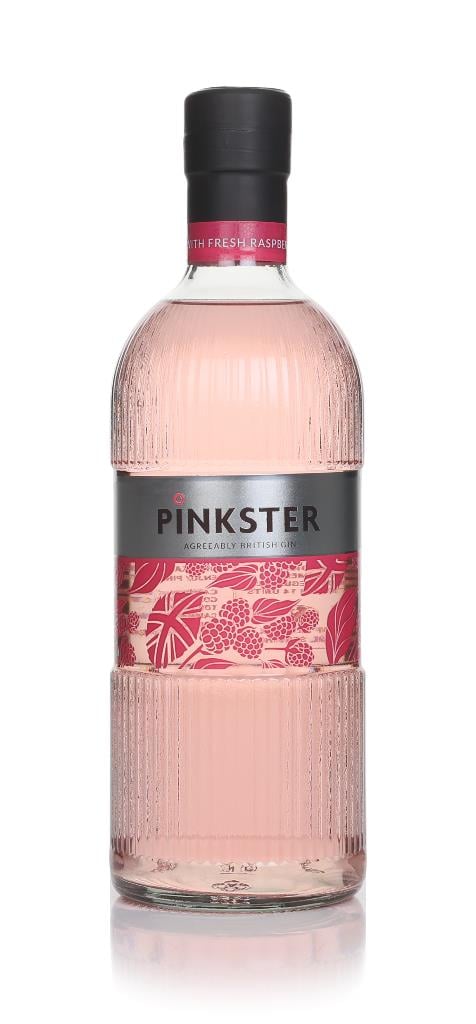
Pinkster was one of the first pink gins to arrive on the UK market, launching before the category exploded into the phenomenon that now dominates supermarket shelves. Its approach is straightforward and honest: a London Dry gin base (distilled at Thames Distillers in London) with fresh raspberries steeped post-distillation, lending both the pink colour and the fruit character naturally. No artificial colours, no flavour concentrates — just real fruit doing what real fruit does in spirit.
The brand's 'agreeably British' positioning and the Cambridge-based company behind it have built a loyal following, particularly among drinkers who want something pink that does not taste like confectionery. Whether it succeeds as a gin rather than merely a raspberry spirit is the more interesting question.
The Distillery
Thames Distillers in London — one of the capital's most experienced contract distillers — produces the base gin using five botanicals, including juniper, in a traditional copper pot still. Post-distillation, fresh raspberries are steeped in the gin, along with two additional botanicals (undisclosed), to create the final product. The steeping process extracts colour, flavour, and the berry's natural sweetness. The method is more artisanal than most pink gins, which typically add flavourings and colourings to a finished spirit.
At 37.5% ABV — the minimum for gin — the alcohol content hints at the brand's commercial priorities. Higher proof would mean more gin character; at this strength, the raspberry is always going to dominate.
Tasting
The nose is all about the berries. Ripe raspberries and redcurrants lead, accompanied by strawberry shortcake sweetness that is inviting if not exactly complex. Juniper is almost imperceptible — you have to search for it — and the spice notes are similarly subdued. This is a nose that says 'fruit drink' more confidently than it says 'gin', and drinkers seeking juniper-forward character should look elsewhere.
On the palate, the raspberry theme continues. The flavour is faintly sweet with black pepper-spiced red berries that provide more interest than the nose might suggest. However, Difford's Guide's characterisation of it as 'more reminiscent of a raspberry spiced vodka than a gin' is not unfair — the juniper is so recessive that the gin identity feels like a technicality rather than a conviction. The black pepper is the saving grace, adding a spicy kick that lifts the fruit and prevents the palate from becoming one-dimensional.
The finish is where Pinkster shows its best qualities. Cracked black pepper dominates, creating a raspberry cream soda quality that is long and smooth with soft spice. The pepper provides persistence and warmth, and the finish lingers well beyond what the 37.5% ABV would suggest. It is a pleasant, easy-drinking conclusion.
How to Drink It
Pinkster makes a very pretty G&T — the natural pink colour is genuinely attractive. Use Fever-Tree Indian Tonic or a premium lemonade and garnish with fresh raspberries or a sprig of mint. The raspberry character blooms in this serve, and the tonic provides the structure that the gin itself somewhat lacks.
In cocktails, it works as a Clover Club ingredient — though the gin's own raspberry makes the traditional raspberry syrup somewhat redundant. A Pinkster French 75, topped with prosecco rather than champagne, is a crowd-pleasing party drink that plays to the gin's strengths.
The Bottom Line
Pinkster Gin earns a 6 as an honest, well-made pink gin that delivers on its raspberry promise but struggles to convince as a gin in any traditional sense. The use of real fruit rather than artificial flavourings deserves respect, and the black pepper finish adds genuine interest. But the near-invisible juniper and minimum ABV mean it occupies an awkward middle ground — too gin-like for people who want a fruit spirit, too fruity for people who want a gin. For pink gin fans, it remains one of the more authentic options; for gin purists, it is a pleasant curiosity that fails to satisfy the fundamental requirement of tasting like gin.