
First Impressions
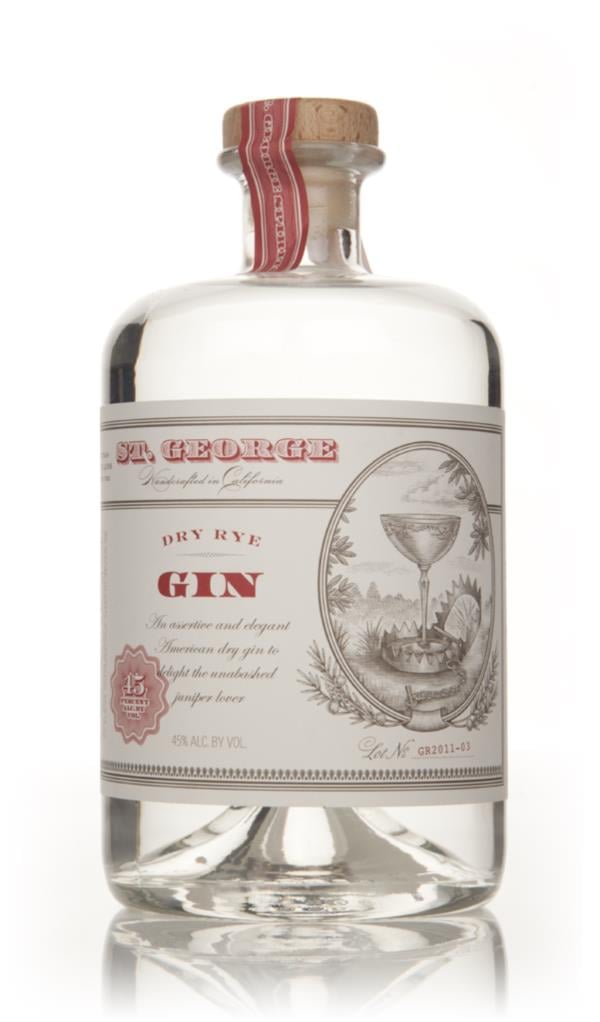
St. George Spirits in Alameda, California, is one of America's most revered craft distilleries — pioneers who were making artisanal spirits before the term 'craft distilling' existed. Their Dry Rye Gin is the most provocative of their three gin expressions (alongside Botanivore and Terroir), and it asks a question that traditionalists might consider heretical: what happens when you build a gin on a rye whiskey base instead of neutral grain spirit?
The answer is a gin that tastes like nothing else. The rye base — warm, grainy, spicy — is not stripped to neutrality. It retains enough character to participate in the botanical conversation, creating a spirit that exists in the fascinating borderland between gin and unaged whiskey. Six botanicals, 45% ABV, and a philosophy that believes the base spirit should be tasted, not merely tolerated.
The Distillery
St. George Spirits has been distilling in Alameda since 1982 — making it one of the oldest craft distilleries in the United States. The Dry Rye Gin uses a pot-distilled rye base spirit, and the team deliberately increased the juniper by 50% compared to their other gin expressions, ensuring that the spirit reads unmistakably as gin despite the characterful base. The six botanicals — juniper, black peppercorn, caraway, coriander, grapefruit peel, and lime peel — are chosen to complement rather than fight the rye's inherent spiciness.
The caraway is a particularly inspired addition. It bridges the rye's bread-like character and the juniper's pine, creating a flavour continuum that makes the whole spirit feel integrated rather than disjointed.
Tasting
The nose is immediately unusual and compelling. It is suggestive of genever — warm hay and malted grain tones dominate, with yeasty, brewery-like aromas that announce the rye base without ambiguity. Lime zest and herbaceous juniper add colour and character, lifting the grainy foundation with botanical brightness. It is a nose that will surprise anyone expecting a conventional London Dry — this is something altogether different, and deliberately so.
On the palate, the rye is evident at the front. There are notes suggestive of beer schnapps and white whiskey — a grain-forward introduction that some will find thrilling and others may find disconcerting. But then the botanicals take over mid-palate, and the gin's intelligence becomes clear. Aniseed and cracked black peppercorn create a spicy, warming mid-palate, while citrus from the grapefruit and lime peels provides welcome brightness. The juniper, boosted by that 50% increase, asserts itself progressively — never dominating the rye, but never surrendering its gin identity either. The 45% ABV provides excellent body.
The finish is long and warm, with rye spiciness lingering alongside juniper's scintillating pine notes. There is a woody, earthier character than traditional pine — more forest floor than Christmas tree — and the finish is dry with a slight peppery tingle from the black peppercorn. It is a contemplative finish that rewards slow sipping.
How to Drink It
St. George Dry Rye Gin is a Martini gin for the whiskey-curious. The rye base gives the Martini a warmth and grain depth that is completely unique — try it at 4:1 with dry vermouth and an orange twist. It also makes an extraordinary Negroni, where the rye's spiciness creates a darker, more complex version of the classic.
For a G&T, use a robust Indian tonic and garnish with a grapefruit twist — the citrus peel botanical responds beautifully. Avoid light or flavoured tonics that would be overwhelmed by the base spirit's character.
The Bottom Line
St. George Dry Rye Gin earns an 8 for pushing the boundaries of what gin can be while remaining recognisably, unambiguously gin. The rye base is not a gimmick — it is a philosophical position about the role of base spirit in gin, and it produces a drink of genuine originality. The six botanicals are chosen with evident intelligence, the 50% juniper increase is a necessary and successful countermeasure against the grainy base, and the result is a gin that will change how you think about the category. Not for traditionalists, perhaps — but for anyone who believes gin should continue to evolve, this is essential drinking.