
First Impressions
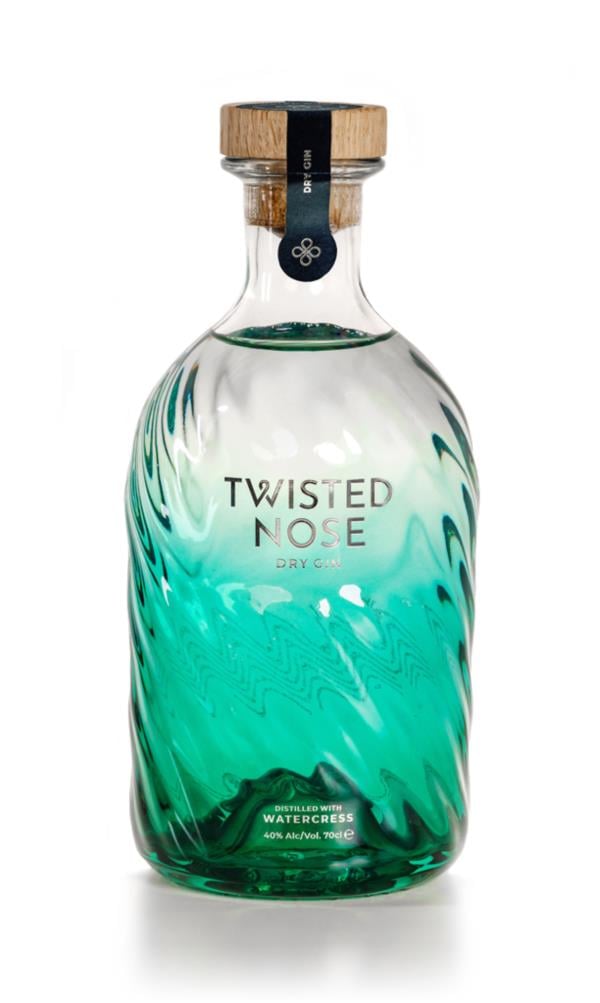
Watercress in gin. It sounds like the kind of idea that might emerge from a particularly experimental dinner party, but Twisted Nose Watercress Dry Gin — from the Winchester Distillery in Hampshire — turns an unlikely botanical into something genuinely compelling. Hampshire is famous for its watercress beds, and the distillery grows the peppery green plant on site, making this perhaps the most literally local botanical in British gin.
The botanical bill pairs the watercress with juniper, grapefruit zest, cassia bark, fennel seed, orris, angelica, and lavender. It is a thoughtful combination that suggests the distillers understand what watercress brings to the party — a peppery freshness that needs complementary botanicals rather than competitors.
The Distillery
Winchester Distillery is a small craft operation in Hampshire that has built its identity around the local watercress connection. The watercress is grown at the distillery itself, harvested fresh, and distilled while it still carries the peppery bite that makes it such a distinctive ingredient. It is a botanical that you simply cannot buy from a supplier — it must be fresh, it must be local, and it must be handled with care. That commitment to freshness and provenance gives Twisted Nose a genuine claim to terroir that few gins can match.
Tasting
The nose opens with a juniper foundation — proper, classic, and reassuring — before delicate lavender florals peek through with quiet elegance. Grapefruit zest provides a zesty citrus lift, while earthy cassia bark and peppery fennel seed add aromatic depth. The watercress itself emerges last on the nose, contributing a subtle sweetness and a surprising peppery kick that is entirely distinctive. It is a layered, intriguing nose that evolves as you spend time with it.
On the palate, Twisted Nose reveals its true character. It is intensely herbaceous yet delicately floral — a balance that sounds contradictory but is expertly achieved. Soft sweet citrus notes open proceedings before spicy undertones develop through the mid-palate. Juniper asserts itself with its characteristic dryness, beautifully balanced by the sweetness of the watercress, while zesty grapefruit from the citrus peel dances on the tongue. Earthy cassia bark and the peppery warmth of fennel seed create a captivating symphony of flavours. The watercress contributes a green, peppery freshness that is unlike anything else in gin — not harsh or aggressive, but a clean, vegetable-garden brightness that lifts the entire palate.
The finish carries the watercress's peppery sparkle — a tingling, effervescent quality that is distinctly its own. The finish is rather long and full, with citrus lasting until the end. It is a conclusion that leaves you wanting to explore further.
How to Drink It
The watercress character shines in a G&T. Use Fever-Tree Indian Tonic and garnish with — what else — a fresh watercress sprig. The green, peppery notes of the garnish connect directly with the botanical, creating a serve that is visually striking and flavour-perfect. A thin slice of grapefruit makes an excellent alternative garnish.
In cocktails, the herbaceous quality makes Twisted Nose a superb base for a Gin Basil Smash — the basil and watercress are natural allies. It also works beautifully in a simple Gimlet, where the lime juice amplifies the peppery freshness.
The Bottom Line
Twisted Nose earns a 7.5 for turning an unusual botanical into a genuine point of distinction. The watercress is not a gimmick — it is a thoughtful addition that brings a peppery freshness and green vibrancy that no other botanical can provide. The supporting cast of grapefruit, lavender, and fennel seed is well-chosen, and the overall balance between herbaceous intensity and floral delicacy is impressive. At around £36, it sits in the mid-premium range, and the commitment to growing the signature botanical on site gives it an authenticity that many craft gins aspire to but few achieve. A gin that proves innovation does not require exotic imports — sometimes the most compelling botanical grows in your back garden.