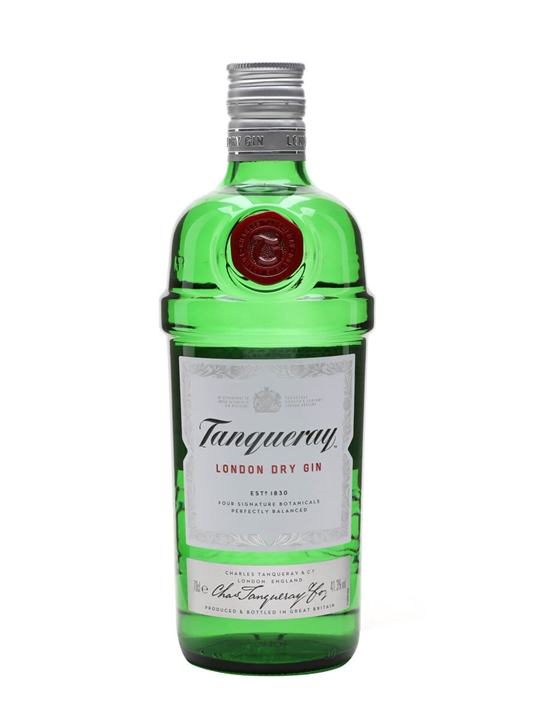
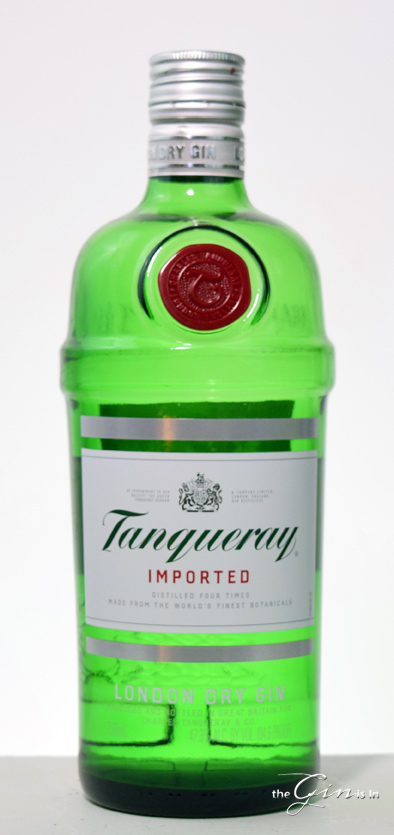

Diageo has announced that Tanqueray, its flagship gin brand and one of the world's best-selling premium gins, will achieve carbon-neutral production by the end of 2027 — a commitment that represents the most ambitious sustainability pledge from any major gin producer to date. The announcement, made at Diageo's Capital Markets Day in London this week, involves a £45 million investment in the Cameronbridge distillery in Fife, Scotland, where Tanqueray's base spirit is produced, as well as the brand's dedicated gin distillery in Finchley Road, London.
I should declare an interest here: I worked in Diageo communications earlier in my career, and I know many of the people involved in this initiative. That history gives me a degree of scepticism about corporate sustainability announcements — I have seen too many that amount to greenwashing. But having reviewed the details of the Tanqueray plan, I believe this one has substance.
The Details
The carbon-neutral commitment covers what Diageo terms "Scopes 1 and 2" — direct emissions from production processes and indirect emissions from purchased energy. It does not, importantly, cover Scope 3 emissions, which include supply chain, packaging, and transportation. Diageo acknowledges this limitation but argues that tackling production emissions first is the most impactful step it can take in the near term.
The £45 million investment will fund three main initiatives. First, the Cameronbridge distillery — where Tanqueray's neutral grain spirit base is produced — will transition from natural gas to biomass and green hydrogen for its heating requirements. The distillery already generates a portion of its energy from an on-site anaerobic digestion plant that converts distillery waste into biogas, and this will be expanded significantly.
"Cameronbridge is one of the largest grain distilleries in Europe, and decarbonising it is a formidable engineering challenge," said Ewan Andrew, Diageo's Chief Sustainability Officer. "But we've identified a pathway that we're confident will deliver carbon-neutral grain spirit production by mid-2027. The technology exists — what's required is the capital investment and the will to deploy it."
Second, the Finchley Road gin distillery will install heat recovery systems, electric pot still heating, and rooftop solar panels. The site is relatively small — producing only the final gin distillation, not the base spirit — but Diageo wants it to serve as a showcase for sustainable distilling practices.
Third, Diageo will work with its botanical suppliers to reduce the carbon footprint of Tanqueray's supply chain. This includes funding sustainable juniper harvesting programmes in the Balkans, where much of the world's gin juniper is sourced, and transitioning to lower-emission logistics for botanical transportation.
"Juniper is the soul of gin, and juniper forests are under pressure from climate change, overharvesting, and land use changes," said Tom Nichol, Tanqueray's Master Distiller. "We have a responsibility to ensure that the botanicals we rely on are produced sustainably, not just for our sake but for the entire gin industry."
Industry Context
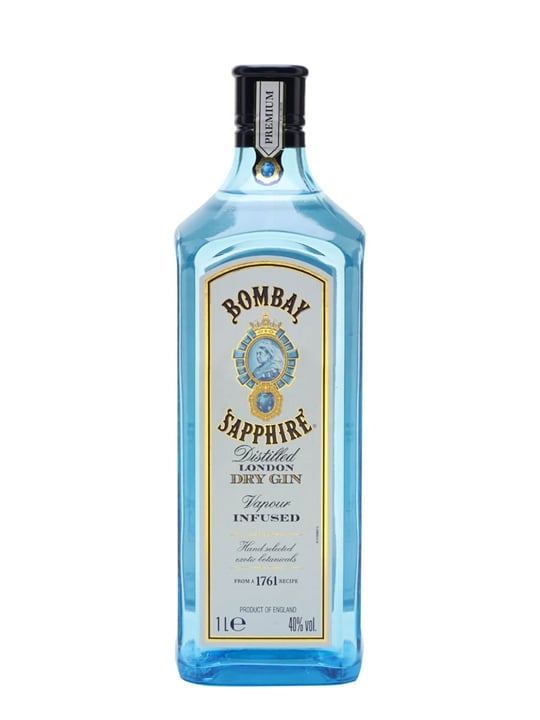
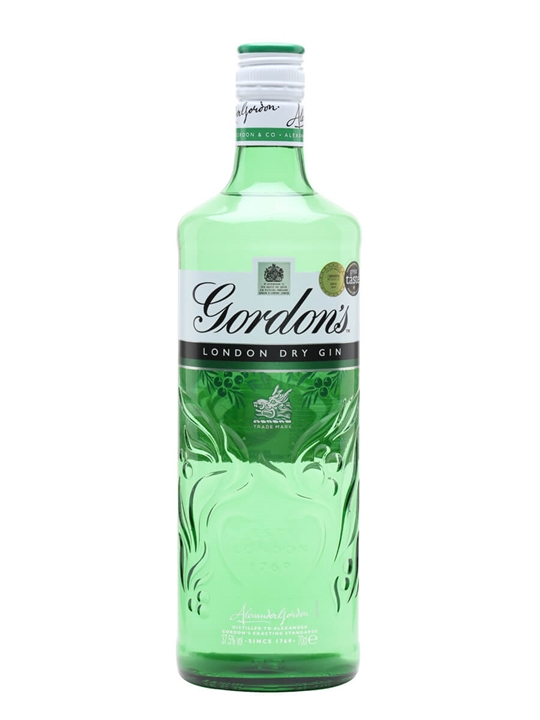
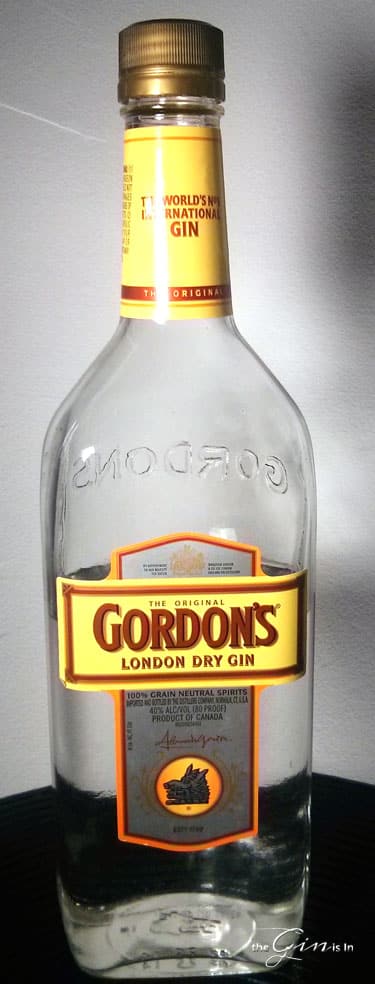
Diageo's commitment positions Tanqueray ahead of its major competitors on sustainability. While several smaller gin producers — notably Nc'nean and Arbikie in Scotland — have already achieved carbon-neutral or climate-positive certification, no gin brand of Tanqueray's scale has made a comparable pledge. Tanqueray sells approximately 3 million nine-litre cases globally, making it the world's third-largest premium gin brand behind Gordon's and Bombay Sapphire.
The timing is significant. Consumer research consistently shows growing demand for sustainable products, particularly among younger drinkers. A 2025 survey by drinks industry body the Portman Group found that 67% of 18-34-year-old UK spirits consumers said sustainability credentials influenced their purchasing decisions — up from 48% in 2022.
"Sustainability is no longer a nice-to-have for spirits brands — it's table stakes, especially with younger consumers," said Spiros Malandrakis, Global Head of Alcoholic Drinks at Euromonitor International. "Diageo is making a smart bet that being first to carbon-neutral production at scale will give Tanqueray a meaningful competitive advantage."
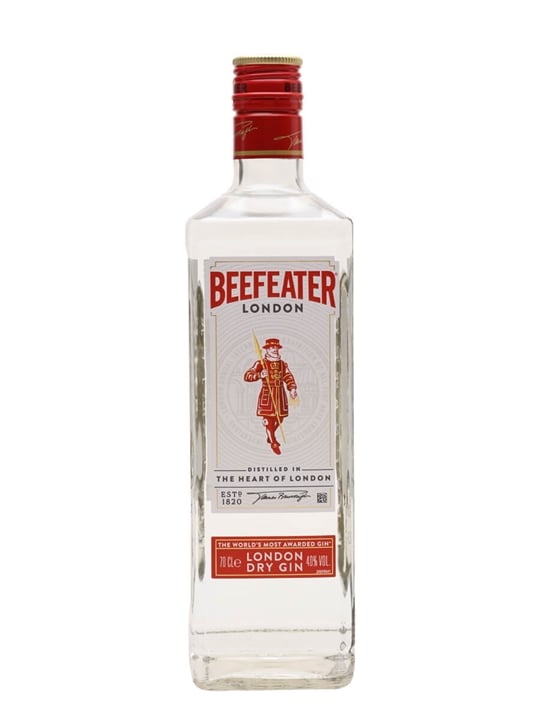
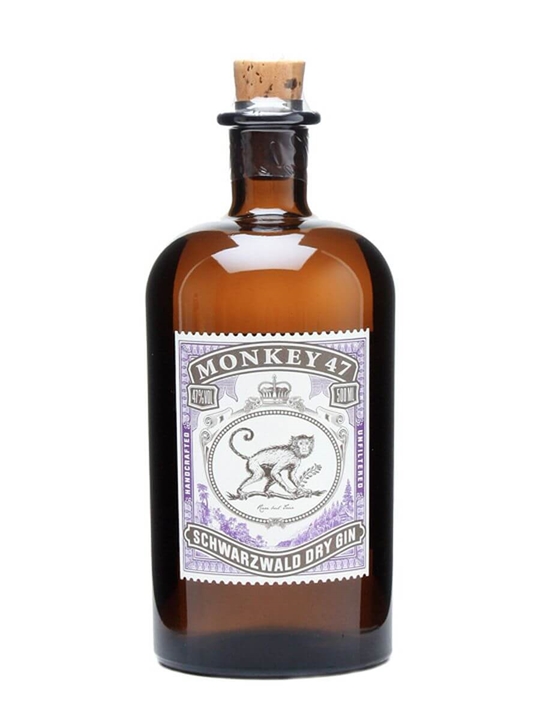
The announcement also puts pressure on other major gin producers to accelerate their own sustainability programmes. Bacardi, which owns Bombay Sapphire, has committed to carbon neutrality across its portfolio by 2030 but has not specified gin-specific targets. Pernod Ricard, owner of Beefeater and Monkey 47, has set a 2030 target for Scope 1 and 2 emissions but has been less specific about implementation timelines for individual brands.
Smaller gin producers have mixed reactions. Several distillers I spoke to welcomed Diageo's commitment as a signal that sustainability is being taken seriously at the highest levels of the industry. Others expressed concern that large companies could use sustainability as a marketing differentiator that smaller producers — who may already have lower absolute emissions — cannot afford to match with formal certification.
"We've been carbon-neutral since we opened, because we're tiny," said one Scottish craft distiller who asked not to be named. "But we can't afford the consultants and the certifications that Diageo can. I worry that sustainability becomes another area where scale wins."
What's Next
Diageo plans to publish annual progress reports on the Tanqueray sustainability initiative, with the first due in June 2026. The company has also committed to independent third-party verification of its carbon-neutral claim once achieved — a critical detail that separates serious commitments from performative ones.
For the wider gin industry, the Tanqueray announcement is likely to accelerate a shift that was already underway. Expect to see sustainability credentials become a more prominent feature of gin marketing, packaging, and point-of-sale materials over the coming years. The brands that can credibly demonstrate environmental responsibility will have an advantage; those that cannot will face increasingly pointed questions from consumers and retailers alike.
Diageo's track record on sustainability is mixed — the company has faced criticism over water usage at some of its distilleries and the environmental impact of its glass packaging. The Tanqueray initiative does not resolve those broader concerns, but it does represent a concrete, time-bound, and financially backed commitment that goes beyond the vague aspirations that characterise much corporate sustainability communication.
Whether it delivers on that commitment by 2027 remains to be seen. I will be watching closely, and I would encourage the industry to hold Diageo to its word. Carbon-neutral gin production at the scale of Tanqueray would be a genuine achievement — one that could set a new standard for the entire spirits industry. The promise has been made. Now comes the hard part.