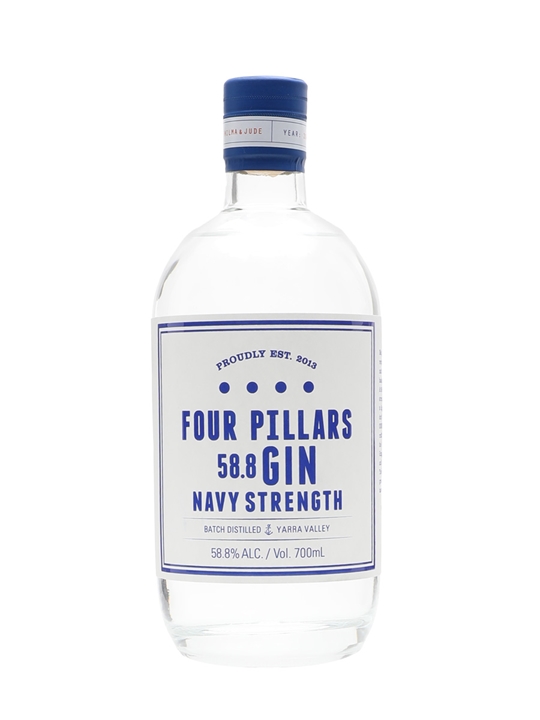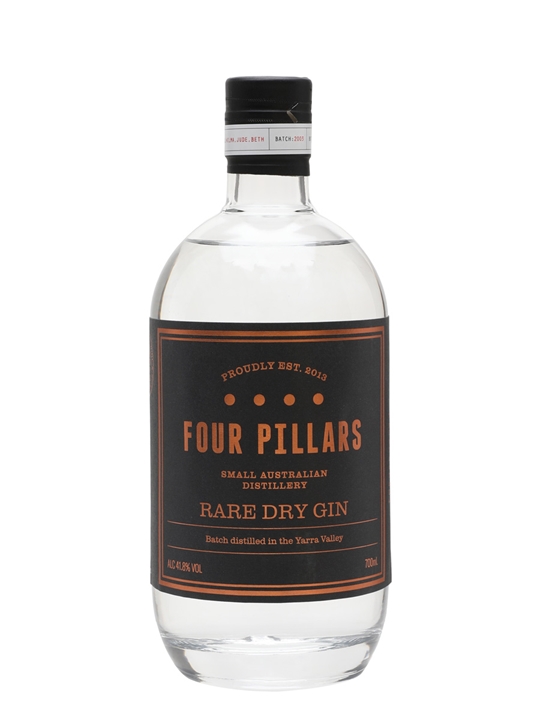
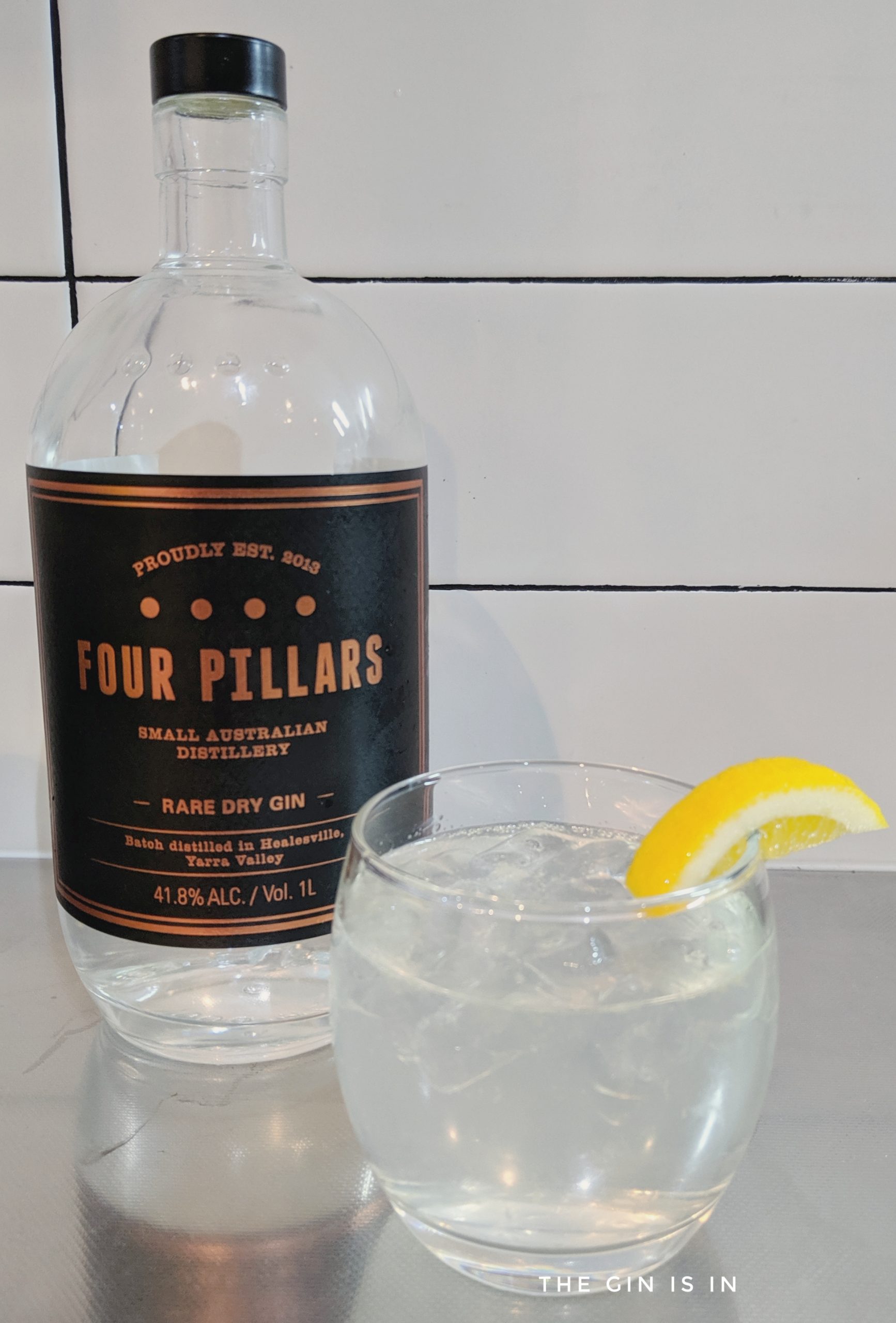

The first time I tasted Four Pillars Rare Dry Gin, I was standing in a converted shed in Healesville, a small town in the Yarra Valley about an hour's drive northeast of Melbourne. It was autumn, and the air outside smelled of eucalyptus and damp earth. Inside, Cameron Mackenzie — one of Four Pillars' three founders — was talking about Tasmanian pepperberry with the kind of passion that most people reserve for their children.
"It is not pepper as you know it," he said, pouring me a measure. "It starts with a berry sweetness, then builds to a warmth, then a heat that sits on the back of your palate for minutes. It is uniquely Australian, and it gives our gin a sense of place that no European botanical could."
He was right. Four Pillars, which launched in 2013 and has since become one of the most decorated gin distilleries in the world, is part of a movement that has transformed Australia from a gin afterthought into one of the most exciting and innovative gin-producing nations on the planet. At its heart is a simple but radical idea: that Australian gin should taste like Australia.
The Native Botanical Revolution
Australia is home to an extraordinary range of native plants — many of them edible, aromatic, and utterly unknown outside the continent — that have been used by Indigenous Australians for tens of thousands of years. Gin distillers have begun to explore this botanical treasury with remarkable results.
Lemon myrtle is perhaps the most widely used. Its leaves contain more citral (the compound responsible for lemony aroma) than lemongrass, lemon verbena, or actual lemons. In gin, it produces a citrus character that is simultaneously familiar and startlingly intense — lemon, but more so, with an underlying herbal complexity.
Tasmanian pepperberry provides warmth and spice, but with a fruity, almost wine-like quality that conventional pepper lacks. Finger lime — sometimes called "citrus caviar" for its tiny, pearl-like juice vesicles — adds a tart, effervescent citrus burst. Wattleseed contributes toasted, nutty, almost chocolatey depth. Anise myrtle delivers a sweet, liquorice-like warmth. And native river mint provides a bright, menthol freshness that is cleaner and more complex than European peppermint.
The Pioneers
Four Pillars remains the flagship. Their Rare Dry Gin uses whole fresh oranges (a distinctly Australian touch), lemon myrtle, and Tasmanian pepperberry alongside traditional botanicals like juniper, coriander, and star anise. Their Bloody Shiraz Gin — in which the gin is steeped with Yarra Valley shiraz grapes for eight weeks — has become an international phenomenon, winning trophies at every major spirits competition and introducing gin lovers worldwide to the idea that gin and grapes can be extraordinary bedfellows.
Archie Rose, from Sydney, has taken a different approach. Founded by Will Edwards in 2014, Archie Rose produces a White Rye Gin that uses native river mint and lemon myrtle alongside blood lime and sunset-hued native botanicals. The distillery, housed in a beautiful converted warehouse in Rosebery, has become a destination in its own right — part distillery, part cocktail bar, part shrine to the idea that Australian spirits can compete with the best in the world.
Adelaide Hills Distillery, in South Australia, has embraced native botanicals with particular conviction. Their 78 Degrees gin uses strawberry gum leaf — a botanical with an intense, candy-like strawberry aroma that is almost impossible to believe is natural until you crush a leaf and inhale. The gin is elegant and complex, with the strawberry gum adding a playful, fruity sweetness that balances beautifully against the juniper.
Beyond the Big Names
The Australian gin scene extends far beyond these pioneers. Patient Wolf, in Melbourne, produces a remarkably refined gin using native pepperberry and fresh grapefruit. Bass & Flinders, in the Mornington Peninsula, makes a gin that incorporates locally grown botanicals from the distillery's own garden. Brookie's, in the Byron Bay hinterland, forages many of its botanicals from the surrounding rainforest — Davidson plum, anise myrtle, and native cinnamon myrtle among them.
In Tasmania, the island state that has become Australia's spirits heartland, distilleries like McHenry and Dasher + Fisher are producing gins that taste of wet forest, salt air, and wild pepper — spirits that carry the landscape in every sip. There is a purity and intensity to Tasmanian gin that reflects the island's pristine environment, its cool climate, and its abundance of wild botanicals.
Indigenous Knowledge and Respect
The use of native botanicals raises important questions about Indigenous cultural heritage and intellectual property. Some distillers — notably Archie Rose and Adelaide Hills — have engaged directly with Indigenous communities, seeking guidance on the traditional uses of native plants and ensuring that benefits are shared equitably. The conversation is ongoing and not always comfortable, but it is essential. These botanicals are not merely ingredients; they are part of the world's oldest continuous culture, and their use in commercial products demands a degree of respect and reciprocity that the spirits industry is still learning to provide.
What Makes Australian Gin Different
Standing in Four Pillars' still house on that autumn afternoon, watching Cameron Mackenzie blend distillates with the focus and care of a perfumer, I understood what makes Australian gin distinctive. It is not just the botanicals — though they are extraordinary. It is the attitude. Australian distillers approach gin with a confidence that comes from knowing they have something the rest of the world does not: a continent of unique ingredients, a climate that produces botanicals of remarkable intensity, and a cultural willingness to experiment, to take risks, to try things that the established gin world would consider unorthodox.
The result is a new chapter in gin's story — one that tastes of bush and coast, of pepper and citrus, of a landscape that is ancient and strange and utterly unlike anywhere else. Australian gin has earned its place at the table, and the world is paying attention.