
The International Gin Awards 2026 results are in, and this year's competition has delivered one of the most diverse and surprising winner lists in the event's history. A total of 1,247 gins from 43 countries were entered — a 15% increase on last year — and the judges, led by head judge and Master of Wine Sarah Jane Evans, awarded 89 Gold medals, 214 Silver medals, and 312 Bronze medals.
Supreme Champion
The Supreme Champion — the competition's highest honour — went to Never Never Southern Strength from Adelaide Hills in South Australia. It's the first time an Australian gin has taken the top prize, and it marks a significant moment for the Southern Hemisphere's rapidly maturing gin industry.
"Never Never has been on our radar for several years," said Evans. "Southern Strength is a technically flawless gin with real personality — juniper-forward but with a distinctly Australian botanical character that sets it apart. It was a unanimous decision from the panel."
Category Winners
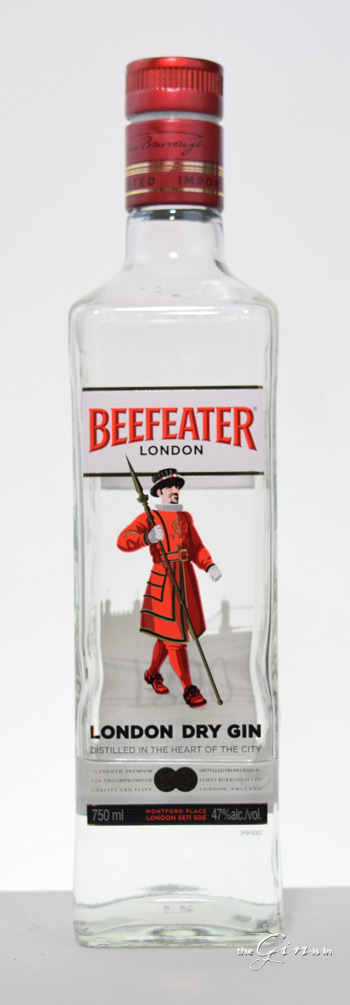
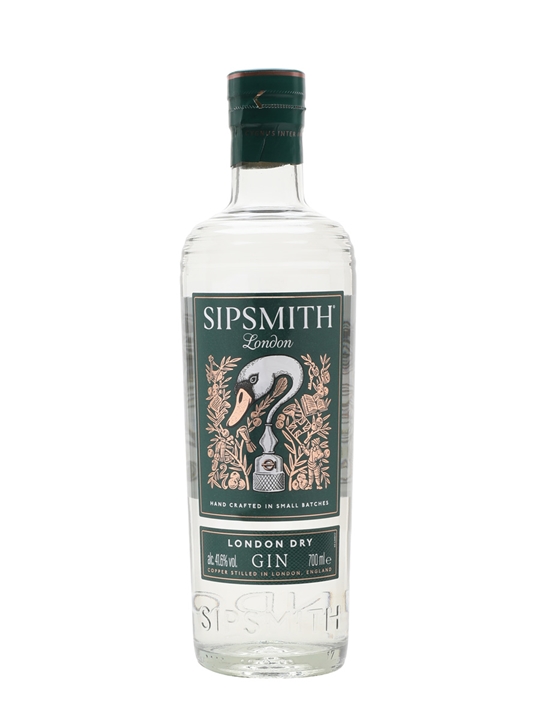
Best London Dry: Sipsmith London Dry Gin retained its 2025 title, with judges praising its "textbook balance and unwavering quality." Beefeater 24 took Gold, as did a newcomer: East London Liquor Company's London Dry, which judges described as "a new classic in the making."
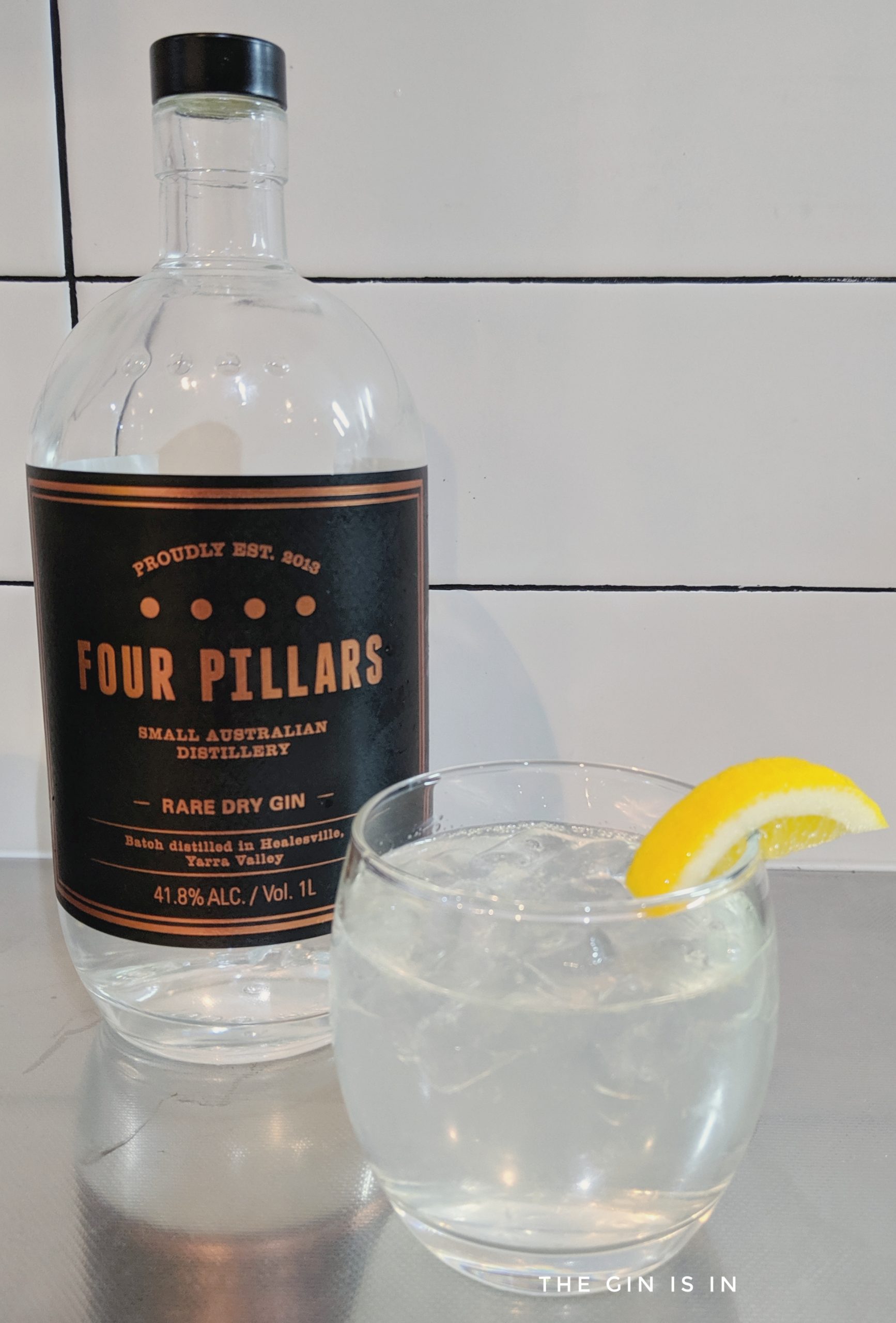
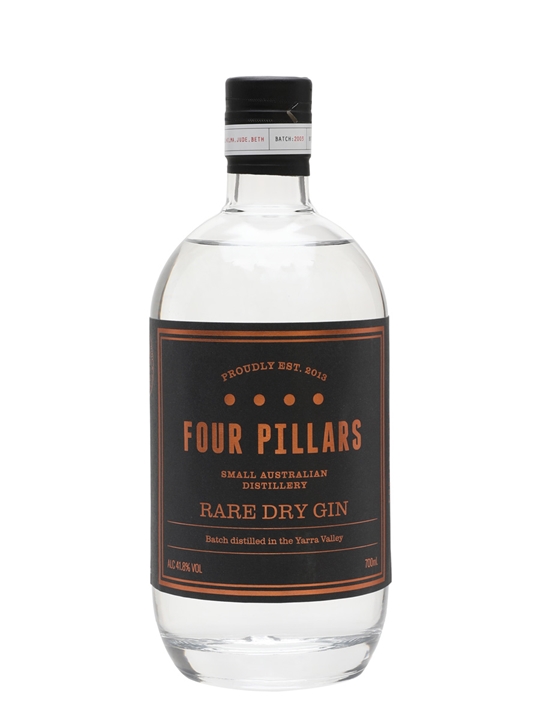
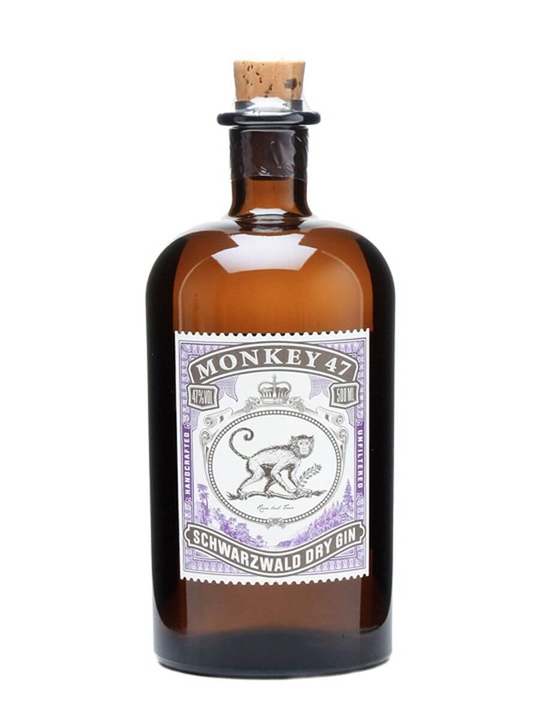
Best Contemporary: Four Pillars Rare Dry Gin (Australia) edged out Monkey 47 (Germany) in what judges described as the closest category of the competition. Both received Gold medals.
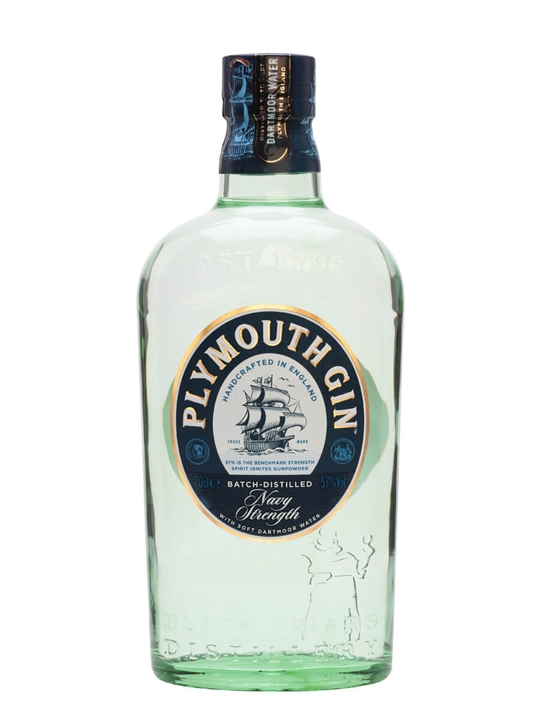
Best Navy Strength: Tarquin's Cornish Navy Strength took the category, with Plymouth Navy Strength and Perry's Tot (New York) also receiving Gold.
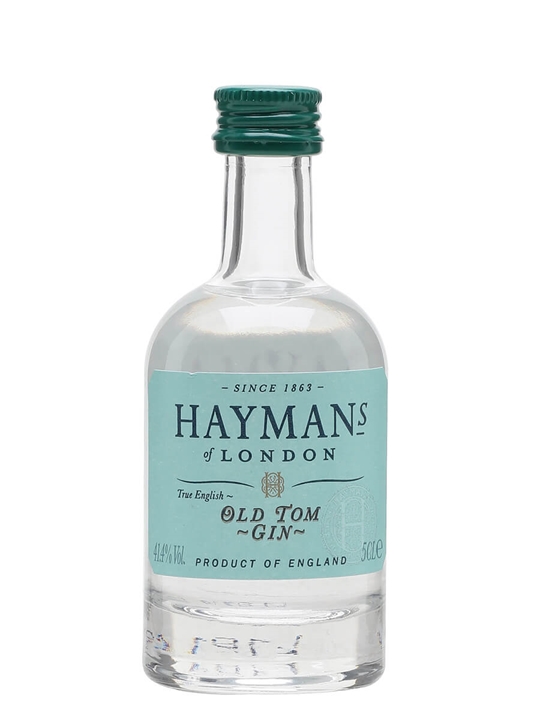
Best Old Tom: Hayman's Old Tom maintained its consistent record with another Gold, while Jensen's Old Tom and Hernö Old Tom (Sweden) also medalled.
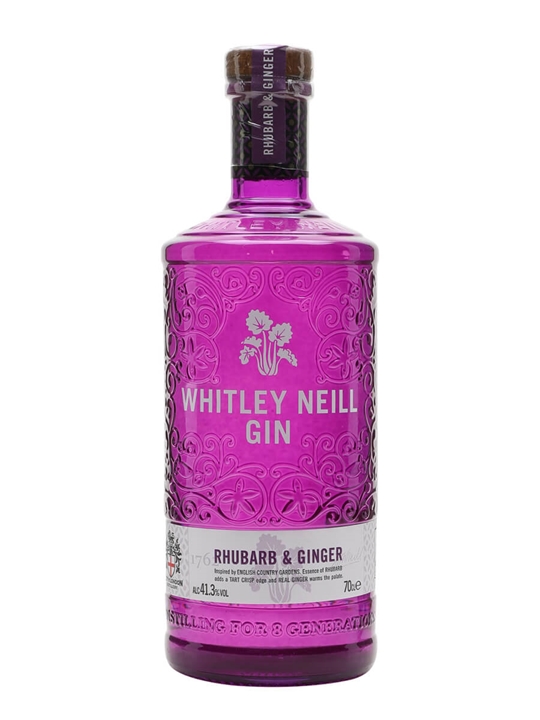
Best Flavoured: Malfy Gin Rosa (Italy) won the category, with Whitley Neill Rhubarb & Ginger and Warner's Rhubarb also taking Gold.
Best New Launch: This hotly contested category was won by Conker Spirit's Cold Brew Coffee Gin from Dorset — a gin that infuses cold-brew coffee alongside traditional botanicals to create what judges called "a genuinely innovative spirit that still reads as gin."
Regional Highlights
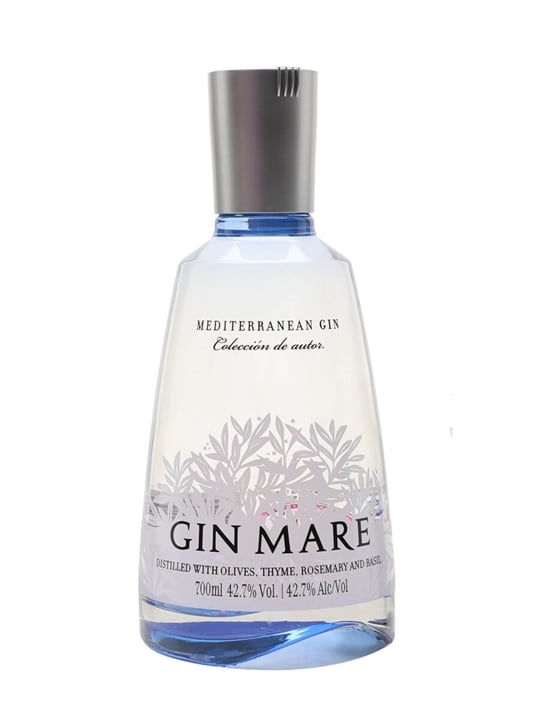
Australia dominated this year's competition with 14 Gold medals across categories — more than any other country outside the UK. Japanese gins continued their strong showing with 8 Golds, led by Ki No Bi's Sei edition. Spanish gins earned 6 Golds, with Gin Mare and Nordés both medallists.
The UK remained the largest single-country entrant with 412 gins entered, earning 31 Golds. Scotland alone accounted for 12 of those, with Edinburgh Gin, Isle of Harris, and Caorunn all winning their categories.
Trends Observed
Several trends emerged from this year's competition. Judges noted a continued improvement in the quality of flavoured gins, with fewer "artificial-tasting" entries than in previous years. Navy strength gins showed the greatest year-on-year quality improvement, with judges attributing this to distillers becoming more confident with higher-proof distillation.
There was also a notable increase in entries from African and South American distillers, though neither continent produced a Gold medallist this year. "Give it two to three years," said Evans. "The quality is there — it just needs refinement."
What It Means
The International Gin Awards results consistently influence purchasing decisions among both trade and consumer buyers. A Gold medal can increase a gin's sales by 15-25% in the year following the award, according to industry data. For Never Never's Southern Strength, the Supreme Champion title could be transformative — opening doors in export markets that have been difficult for Australian gins to penetrate.
Full results are available on the International Gin Awards website. The 2027 competition opens for entries in January.