
I spent six years behind the bar at a Michelin-starred restaurant in London, and if there was one question I heard more than any other, it was this: "What actually is London Dry Gin?" Usually asked by someone holding a menu with fourteen gins on it, looking slightly panicked. So let me help.
London Dry is the gold standard of the gin world. It is the style that most people picture when they think of gin, and understanding it properly will make you a more confident drinker, a better host, and a considerably more dangerous person at a cocktail party.
What Makes a Gin "London Dry"?
Here is the first thing that surprises people: London Dry Gin does not have to be made in London. It is not a geographical designation. It is a legal one, defined by EU regulation (and carried over into UK law post-Brexit), and it refers entirely to how the gin is produced.
The rules are strict, and that strictness is exactly what makes London Dry so reliable:
- All flavour must come from distillation. You cannot add flavourings, colourings, or anything else after the spirit comes off the still. What goes into the pot is what you get in the glass.
- The base spirit must be of agricultural origin and distilled to at least 96% ABV before redistillation with botanicals.
- Only water and a negligible amount of sugar (no more than 0.1 grams per litre) may be added after distillation. For context, that amount of sugar is functionally undetectable.
- The final spirit must be at least 37.5% ABV.
- Juniper must be the predominant flavour. This is the non-negotiable heart of any gin, but in London Dry it is paramount.
What this means in practice is that London Dry is an honest spirit. There is nowhere to hide. The distiller's skill is laid bare in every sip, because everything you taste was put there during a single distillation run.
The Classic Botanical Bill
Every London Dry has its own recipe, but most draw from a shared palette of traditional botanicals. Think of these as the building blocks:
- Juniper berries — the defining ingredient. Pine-forward, resinous, slightly peppery. Without dominant juniper, it is not gin.
- Coriander seed — the unsung hero. Adds a citrusy warmth and a subtle nuttiness that rounds out juniper beautifully.
- Angelica root — earthy, dry, and woody. Works as a binding agent, tying other botanicals together the way salt ties together a dish.
- Orris root — the dried root of the iris flower. Contributes a powdery, violet-like quality and acts as a fixative for volatile aromas.
- Citrus peel — lemon and Seville orange are the classics. Brightness, lift, and freshness.
- Cassia bark and liquorice — warm, sweet, and gently spiced. These provide depth and body.
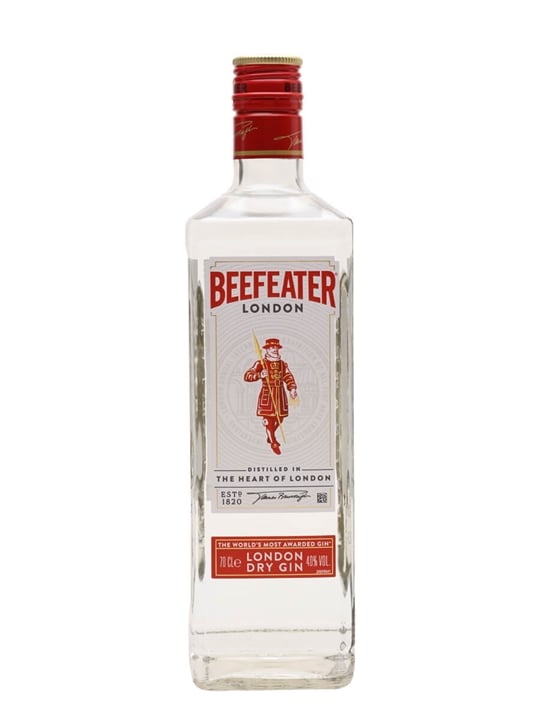
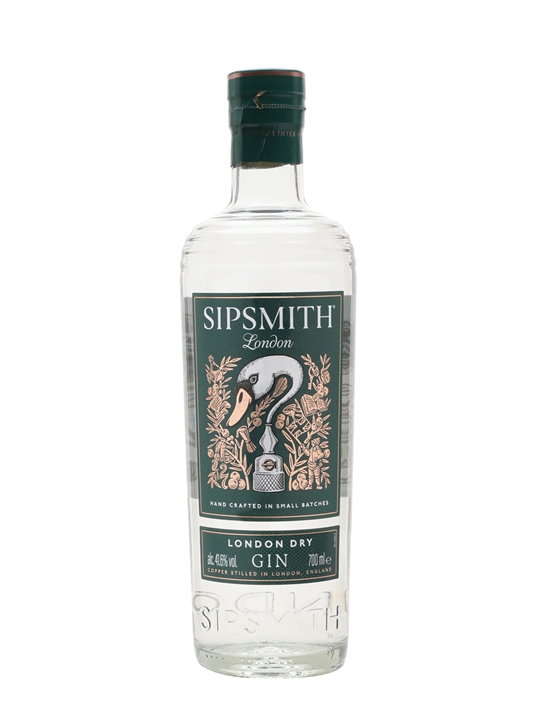
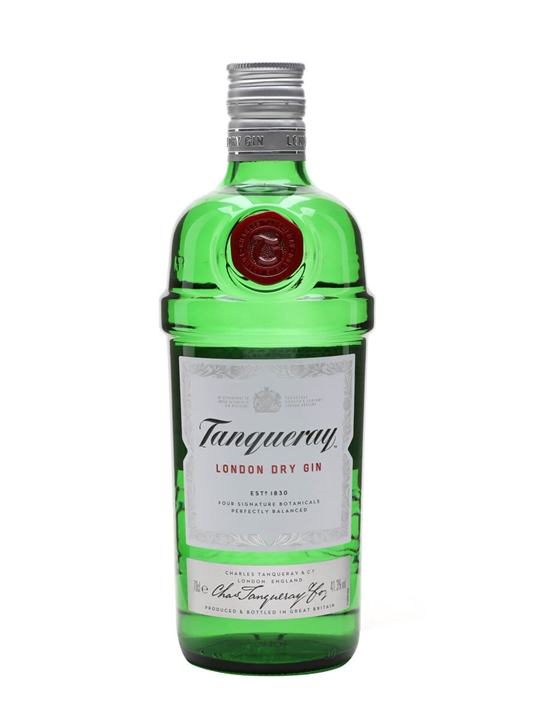
Tanqueray famously uses just four botanicals (juniper, coriander, angelica, liquorice). Beefeater uses nine. Sipsmith uses ten. There is no magic number. What matters is balance.
How London Dry is Made
The process is straightforward in principle and fiendishly difficult in practice:
- Source a neutral grain spirit. Most distillers buy this in, though some (like Sipsmith) distil their own. It should be clean, pure, and flavourless — a blank canvas.
- Add botanicals. These are either steeped (macerated) in the spirit for several hours or placed in a botanical basket through which the spirit vapour passes during distillation. Some distillers do both.
- Distil. The spirit is heated in a copper pot still. The distiller makes cuts — discarding the harsh "heads" and heavy "tails" and keeping only the smooth, flavourful "heart" of the run.
- Dilute and rest. The distillate comes off the still at high strength and is cut with water to bottling strength. Many distillers let the spirit rest for a period before bottling to allow the flavours to marry.
The skill is in the cuts. A good distiller knows exactly when the heart begins and ends, and those decisions define the character of the finished gin. I have watched master distillers at work, and it is genuinely one of the most impressive feats of sensory judgment you will ever see.
The Essential London Drys
If you are building a gin shelf — or just want to understand the category — these are the bottles I would start with:
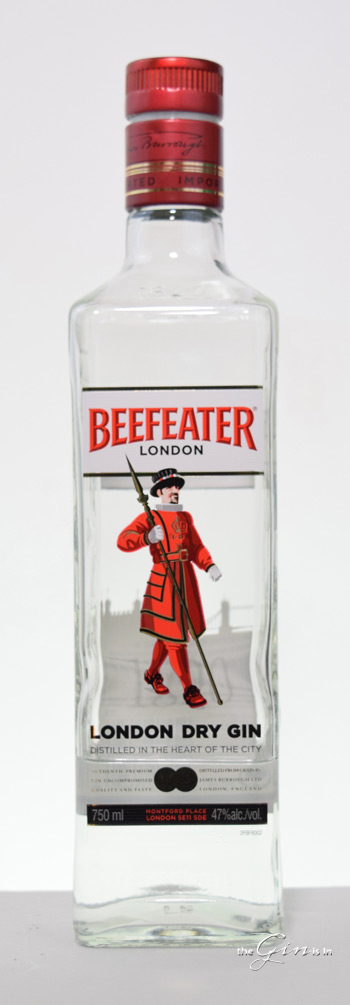
- Beefeater London Dry — the benchmark. Crisp, juniper-forward, and remarkably consistent since 1863. This is the gin I trained bartenders on, because if you understand Beefeater, you understand the style.
- Tanqueray — bold, assertive, and built on just four botanicals. Proof that restraint can be a superpower. Exceptional in a Martini.
- Sipsmith — the gin that kickstarted London's craft distilling revival. Floral, citrusy, and beautifully balanced. If Beefeater is the textbook, Sipsmith is the love letter.
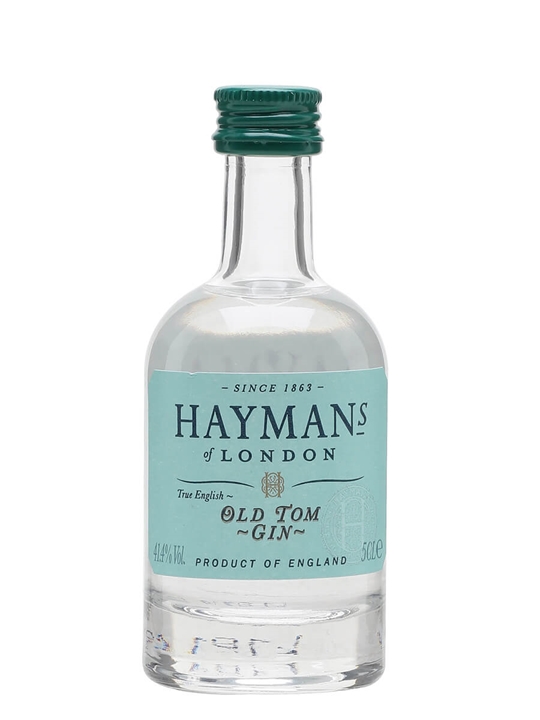
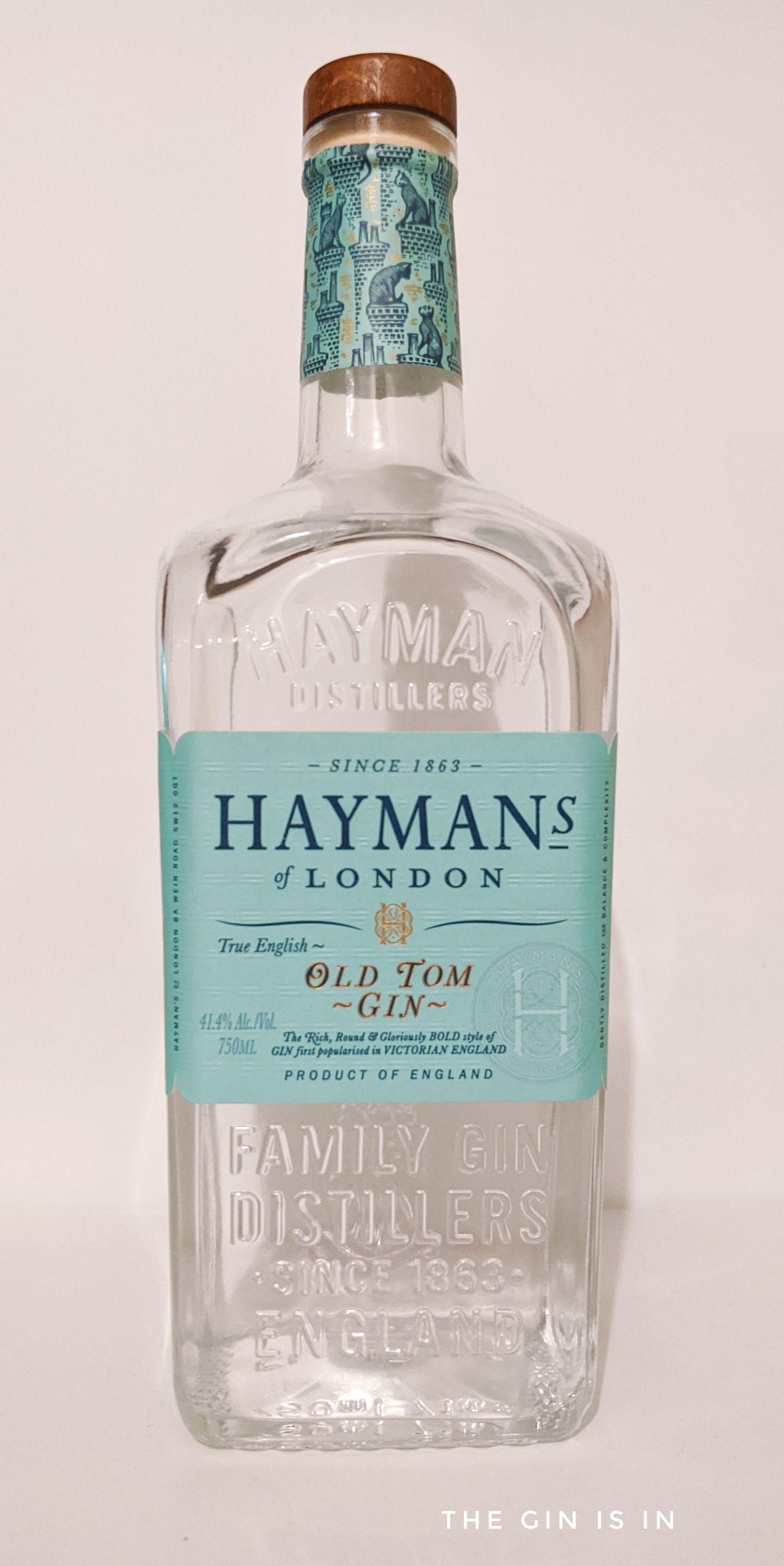
- Hayman's London Dry — a family distillery with over 150 years of heritage. Classic in every sense, with a wonderful balance of juniper and citrus.
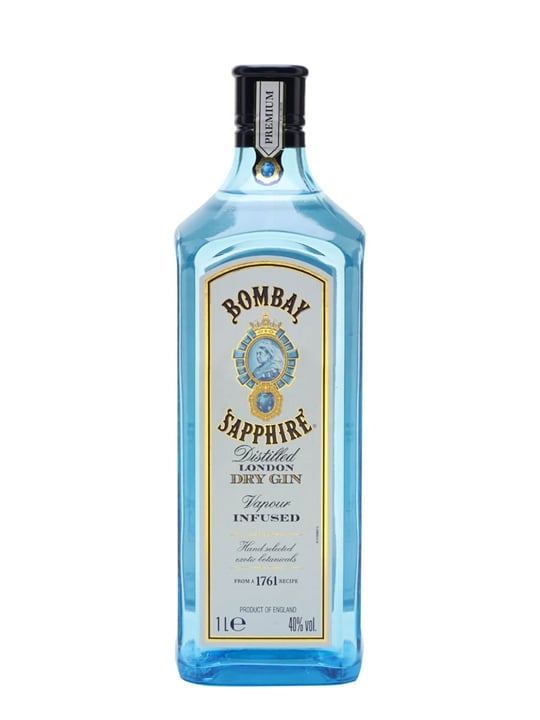
- Bombay Sapphire — vapour-infused rather than steeped, giving it a lighter, more delicate character. Ten botanicals, including grains of paradise, which adds an exotic warmth.
How to Serve London Dry
This is the part where my bartender instincts take over. London Dry is the most versatile gin style, and it works brilliantly in almost any context:
The G&T: Use a 1:2 ratio (one part gin, two parts tonic) with plenty of ice. A premium Indian tonic water (Fever-Tree, East Imperial) will let the botanicals shine. Garnish with a strip of lemon peel — twist it over the glass to release the oils, then drop it in.
The Martini: This is where London Dry was born to be. Stirred, not shaken (unless you prefer it that way — it is your drink). A 4:1 ratio of gin to dry vermouth is a good starting point. Garnish with a lemon twist or an olive, depending on your mood. Use Tanqueray or Beefeater for a bold, juniper-driven Martini; Sipsmith or No. Ten for something more citrus-forward.
The Negroni: Equal parts gin, Campari, and sweet vermouth. London Dry's juniper backbone stands up to the bitterness of Campari beautifully. Stir with ice, strain into a rocks glass over a large ice cube, and garnish with an orange peel.
Neat or on the rocks: A good London Dry at 47% ABV is genuinely enjoyable served with a single ice cube. It is not something most people think to do, but I would encourage you to try it. You will taste things in the gin that tonic obscures.
The Bottom Line
London Dry Gin is the foundation of the entire gin category. It is defined not by geography but by integrity — a commitment to letting the distiller's craft speak for itself, with no shortcuts and no embellishments. Whether you are a newcomer to gin or a seasoned enthusiast, understanding London Dry is the first step toward appreciating everything else the category has to offer.
Start with a Beefeater and tonic. Pay attention. Then work your way through the list. You will find your favourite, and you will understand why this style has endured for centuries.