
When I first started working behind a bar, I could not tell you what angelica root tasted like, or why orris root mattered, or what coriander seed had to do with gin. A decade later, I can tell you that understanding botanicals is the single most useful thing a gin drinker can learn. It transforms how you taste, how you pair, and how you choose your next bottle.
This guide walks through the major botanical families you will encounter in gin, from the absolute essentials to the modern exotics that are reshaping the category. I have organised them the way I think about them behind the bar: by the role they play in the finished spirit.
The Foundation: Juniper
Let us start with the obvious. Juniper berries (Juniperus communis) are the only legally required botanical in gin. If juniper is not the predominant flavour, the spirit cannot be called gin. Full stop.
What does juniper taste like? Pine resin, fresh green wood, a touch of pepper, and a hint of dark berry sweetness. Crush a dried juniper berry between your fingers and inhale — that is the soul of gin.
Most distillers source their juniper from the Mediterranean — Italy, Macedonia, and the Balkans — where the dry, warm climate produces the most aromatic berries. Wild juniper varies enormously depending on terroir, altitude, and harvest timing, which is why different gins can taste markedly different even with similar botanical bills.
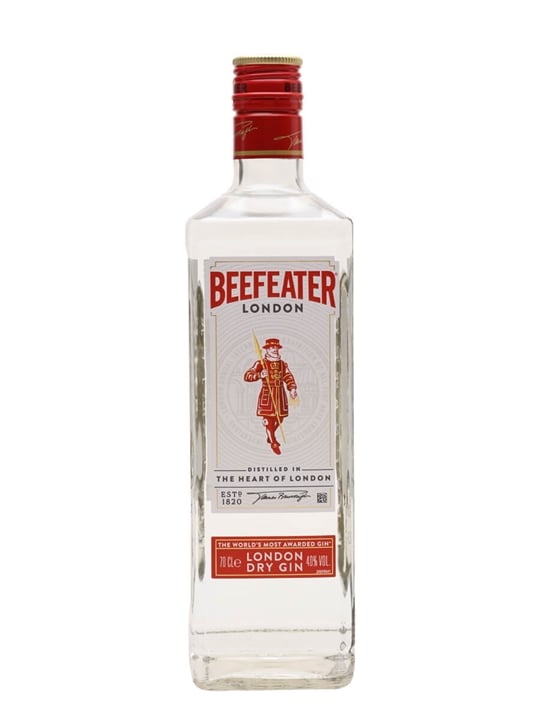
Tasting tip: Pour a simple London Dry (Beefeater is ideal) and taste it neat at room temperature. That piney, resinous warmth in the mid-palate? That is your juniper reference point. Train your palate to find it, and you will never lose it.
The Classic Core
Most traditional gins are built on a foundation of five or six botanicals that have been used since the eighteenth century. These are the workhorses:
Coriander Seed
The second most important botanical in gin, arguably. Coriander seed (which tastes nothing like coriander leaf, by the way) brings a bright, citrusy warmth with nutty, slightly spicy undertones. It works in partnership with juniper the way rhythm works with melody — you might not always notice it, but take it away and everything falls apart.
Angelica Root
Earthy, woody, and dry. Angelica is the binding agent of the botanical world. It has a remarkable ability to knit disparate flavours together into a cohesive whole. I think of it as the bass note — felt more than heard, but essential to the structure of the gin. It also acts as a fixative, helping volatile aromas linger rather than disappearing the moment the gin hits your glass.
Orris Root
The dried root of the Florentine iris, aged for up to five years before use. Orris contributes a delicate, powdery, violet-like quality that adds elegance and complexity. It is also a fixative, like angelica, helping other botanicals express themselves more fully. Orris root is expensive — which is one reason why cheaper gins often lack the depth and sophistication of premium expressions.
Citrus Peel
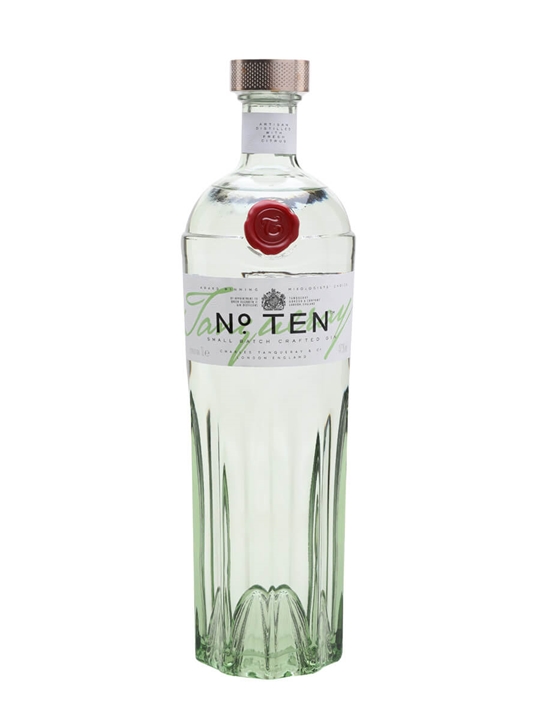
Lemon peel and Seville orange peel are the traditional choices. They bring brightness, freshness, and lift — the top notes of the gin that hit your nose first. Some distillers use fresh whole citrus (Tanqueray No. Ten famously uses fresh grapefruit, orange, and lime), while others use dried peels for a more concentrated, preserved-fruit character.
Liquorice Root
Not the sweet you ate as a child, but the actual dried root. It adds a gentle sweetness and a viscous, almost silky mouthfeel. In small quantities, it rounds off the sharper edges of juniper and citrus without tasting identifiably of liquorice.
The Spice Rack
Spices add warmth, depth, and complexity. They tend to sit in the mid-palate and the finish:
- Cassia bark — warm cinnamon character, slightly sweeter and more intense than true cinnamon. Common in London Dry styles.
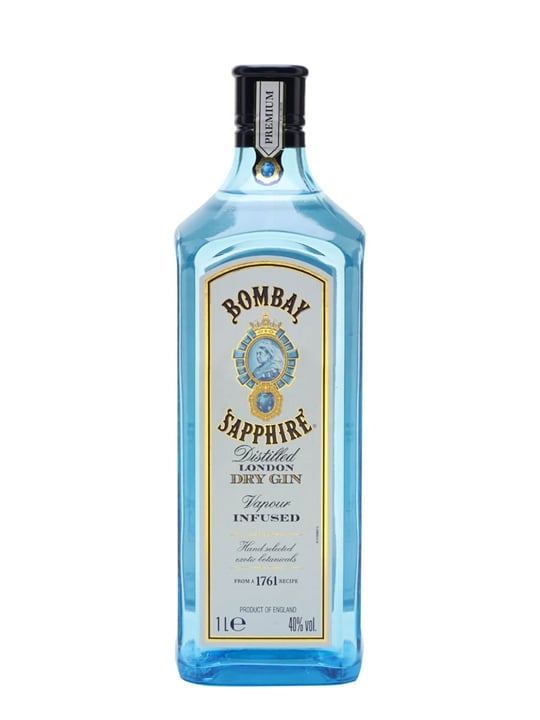
- Grains of paradise — a West African spice related to cardamom. Peppery, gingery, and slightly citrusy. The signature botanical of Bombay Sapphire.
- Cubeb pepper — also called tailed pepper. More aromatic and less pungent than black pepper, with eucalyptus and allspice notes.
- Cardamom — intensely aromatic, with eucalyptus, camphor, and warm spice. A little goes a long way.
- Black pepper — straightforward heat and bite. Opihr gin uses it prominently.
- Nutmeg and mace — warm, sweet, and gently narcotic. Used sparingly in some traditional recipes.
The Florals
Floral botanicals have become increasingly popular in contemporary gin. They add perfumed, aromatic top notes:
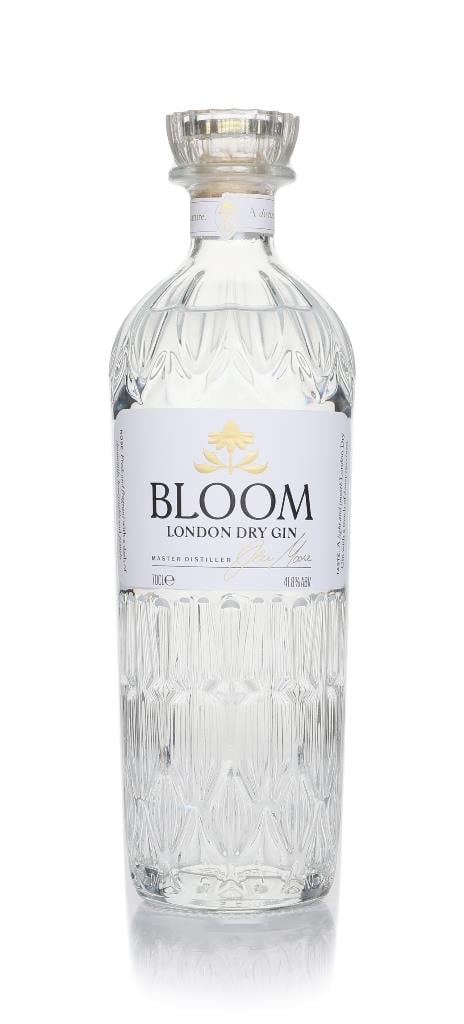
- Chamomile — honey-sweet and gently floral. Used in Tanqueray No. Ten and Bloom Gin.
- Elderflower — the quintessential English summer botanical. Fragrant, muscat-like, and beautifully aromatic.
- Lavender — powerfully perfumed. Best used with restraint, or it overwhelms everything else. When balanced well, it adds a gorgeous herbal-floral quality.
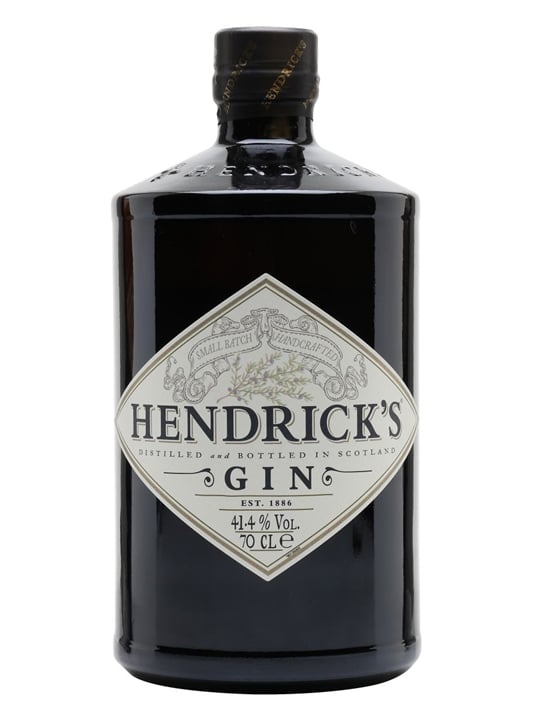
- Rose petal — delicate, romantic, and slightly sweet. Hendrick's uses Bulgarian rose to iconic effect.
- Butterfly pea blossom — mildly earthy flavour but famous for its colour-changing properties (blue to pink with acid). Increasingly used in "colour-change" gins.
The Modern Exotics
This is where things get really interesting. Craft distillers around the world are reaching into their local landscapes for botanicals that would have been unthinkable a generation ago:
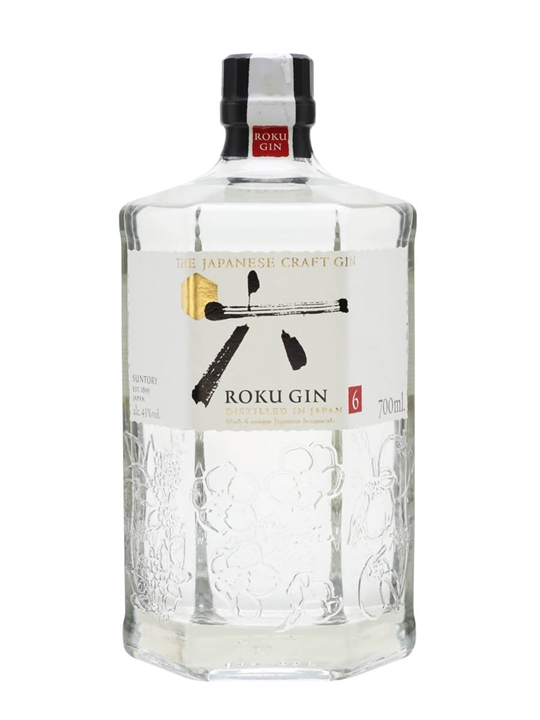
- Yuzu — a Japanese citrus with the intensity of grapefruit, the fragrance of mandarin, and the sharpness of lemon. Used in Ki No Bi and Roku.
- Sansho pepper — a Japanese pepper that creates a tingling, numbing sensation on the tongue. Electric and utterly distinctive.
- Sakura (cherry blossom) — delicate, almondy, and subtly sweet. Roku gin uses it to beautiful effect.
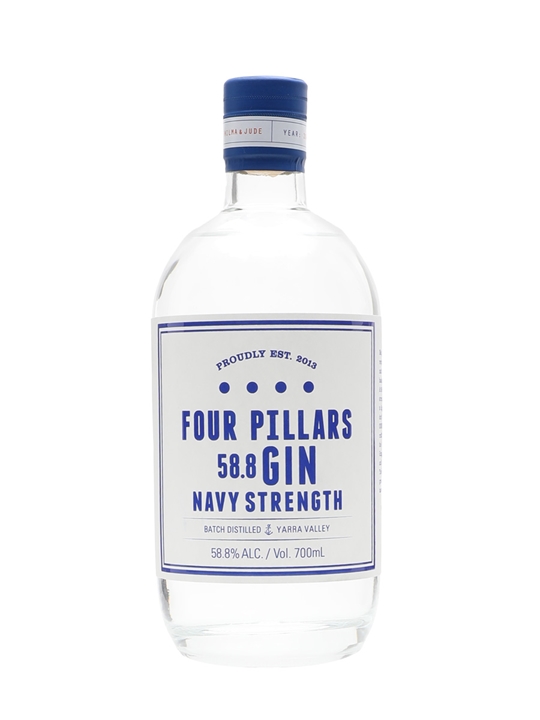
- Lemon myrtle and pepperberry — Australian native botanicals used by Four Pillars and Archie Rose. Lemon myrtle is intensely citrusy; pepperberry adds a fruity heat.
- Baobab and buchu — South African botanicals used by Inverroche. Baobab adds tartness; buchu is minty and herbaceous.
- Sencha tea — Japanese green tea, adding grassy, vegetal, umami-rich depth. Stunning in Roku gin.
How to Taste Botanicals in Your Gin
Here is a practical exercise I have run at tasting events dozens of times, and it works brilliantly:
- Pour the gin neat into a small tulip glass or wine glass. No ice, no tonic, no garnish.
- Nose it first. Hold the glass at chest height and bring it slowly toward your nose. The top notes — citrus, florals — will arrive first. As you get closer, the deeper notes — juniper, spice, earth — will emerge.
- Take a small sip and let it sit on your tongue. What arrives first? (Usually citrus or juniper.) What follows in the mid-palate? (Spice, earth, orris.) What lingers in the finish? (Angelica, pepper, warmth.)
- Add a splash of water. This opens up the gin and makes subtler botanicals more apparent. You may suddenly notice chamomile, or almond, or a green herbaceous note that was hiding.
- Now add tonic. Notice which botanicals survive the dilution and carbonation, and which disappear. This tells you which gins work in a G&T and which are better suited to a Martini.
The more you do this, the better you get. Within a few sessions, you will be able to identify juniper, coriander, citrus, and angelica in almost any gin blindly. It is a genuinely satisfying skill to develop — and it makes every gin you drink more interesting.
Building Your Botanical Vocabulary
My advice is simple: buy whole spices. Go to a good spice shop and pick up juniper berries, coriander seeds, dried angelica root, cassia bark, and a few citrus peels. Smell them. Crush them. Taste them. Build your reference library, and then go back to your favourite gins with fresh eyes and a trained palate.
The beautiful thing about gin is that every bottle is a story told in botanicals. Once you learn the language, you will never read a gin label the same way again.