
The Martini is the most argued-about cocktail in existence, and that's precisely why I love it. Everyone has an opinion — on the ratio, the garnish, the temperature, even whether it should be stirred or shaken (it should be stirred, but we'll get there). Here's the thing: there is no single correct Martini. There is only your Martini, and my job is to help you find it.
The Basics
A Martini is gin and dry vermouth, chilled and served in a stemmed glass. That's it. Everything else is variation. But within that simplicity lies enormous range, and small adjustments produce dramatically different drinks.
The key variable is the ratio of gin to vermouth. A "wet" Martini uses more vermouth — around 2:1 gin to vermouth. A "dry" Martini uses less — 4:1 or 5:1. An "extra dry" or "bone-dry" Martini uses a whisper of vermouth or none at all (though at that point, you're really just drinking cold gin, which is fine but isn't quite a Martini).
My recommendation for a starting point: 60ml gin, 15ml dry vermouth. That's a 4:1 ratio — dry but not austere, with enough vermouth to add complexity without masking the gin. Adjust from there based on your taste.
Choosing Your Gin
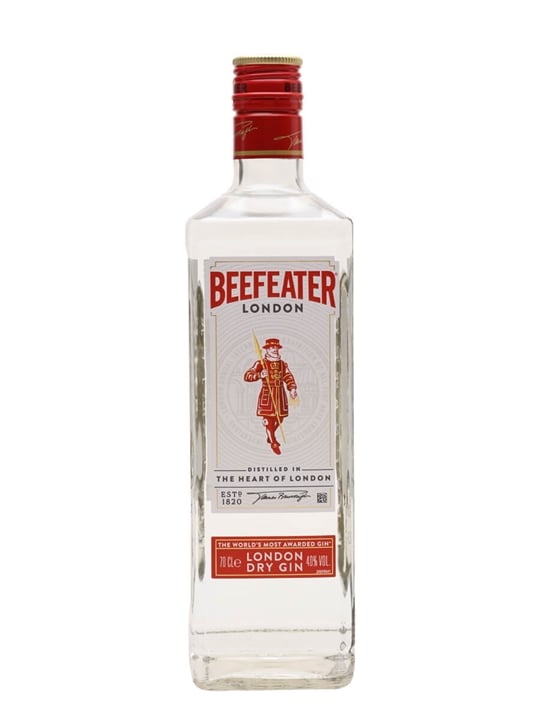
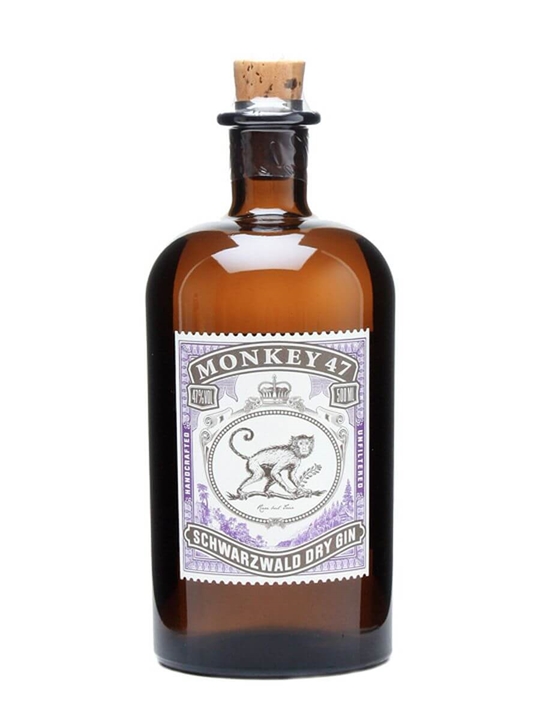
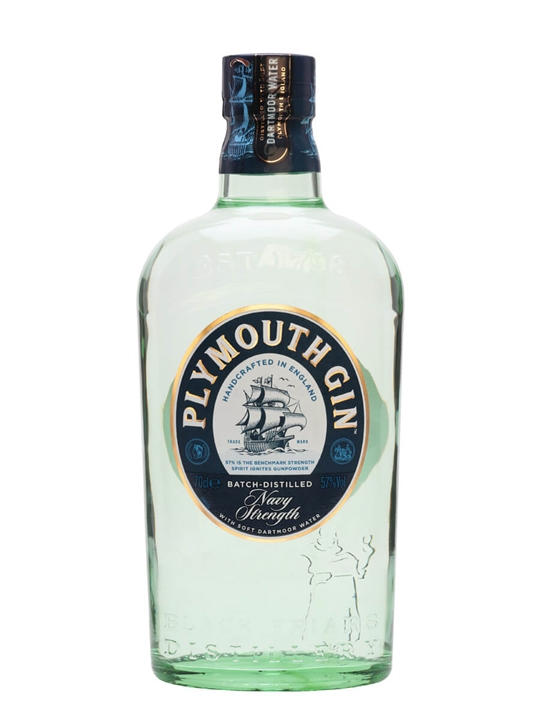
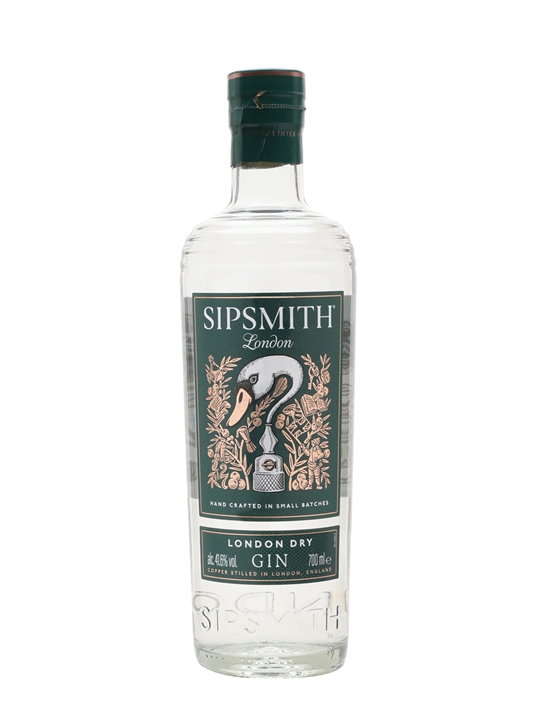
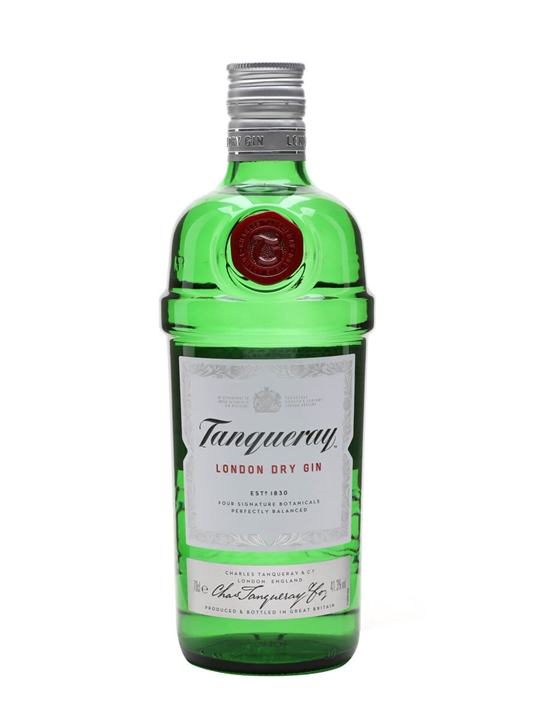
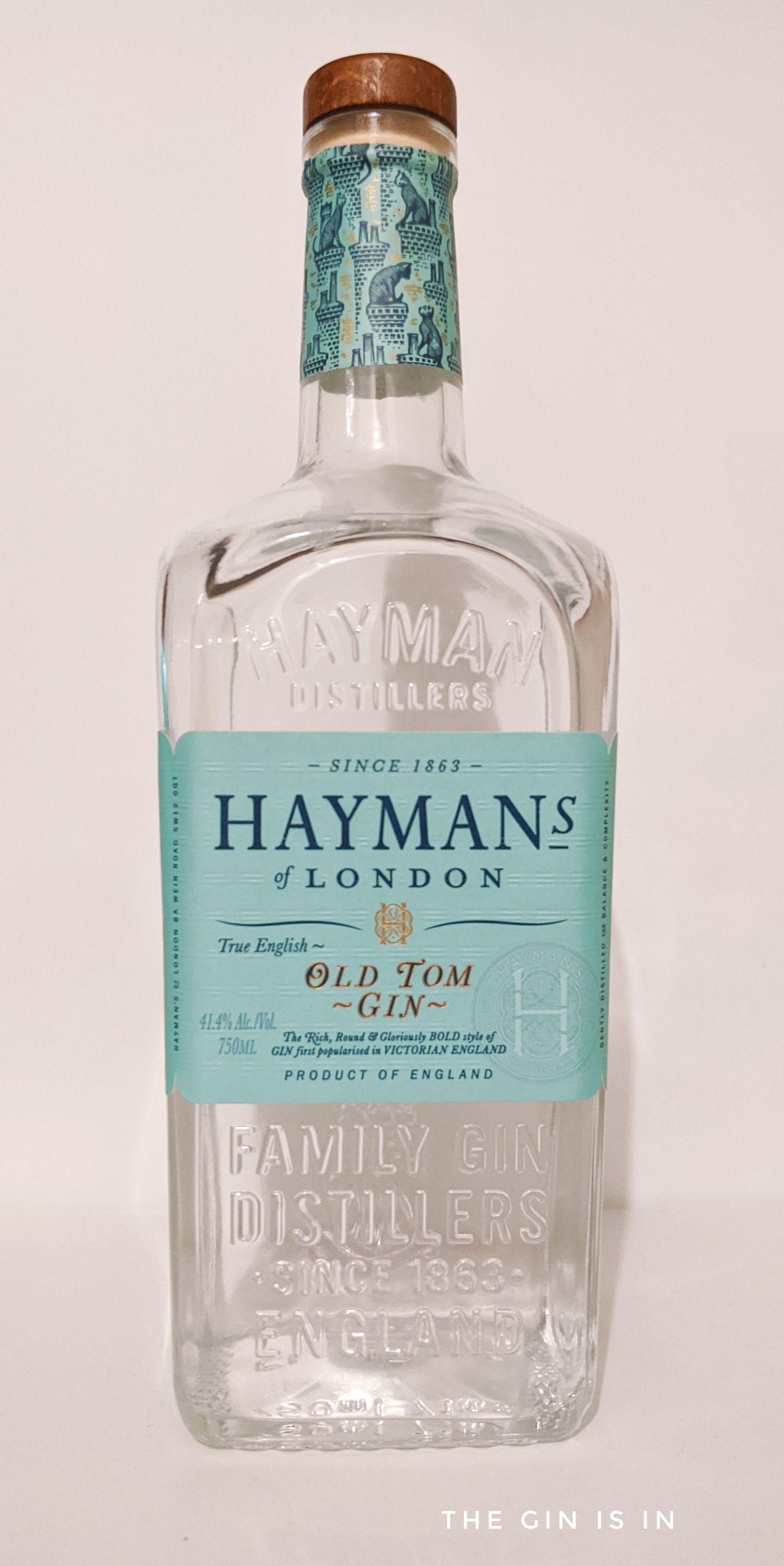
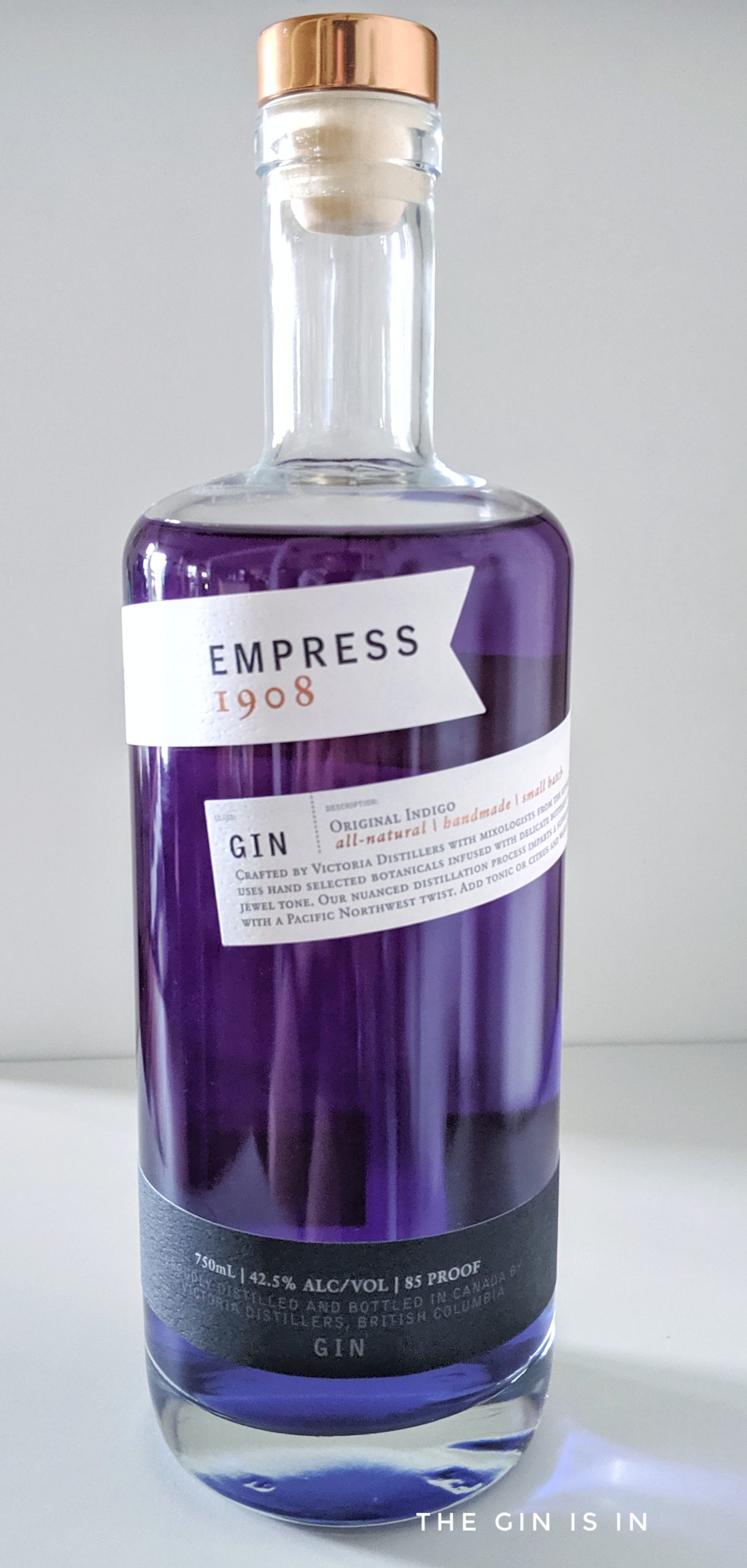
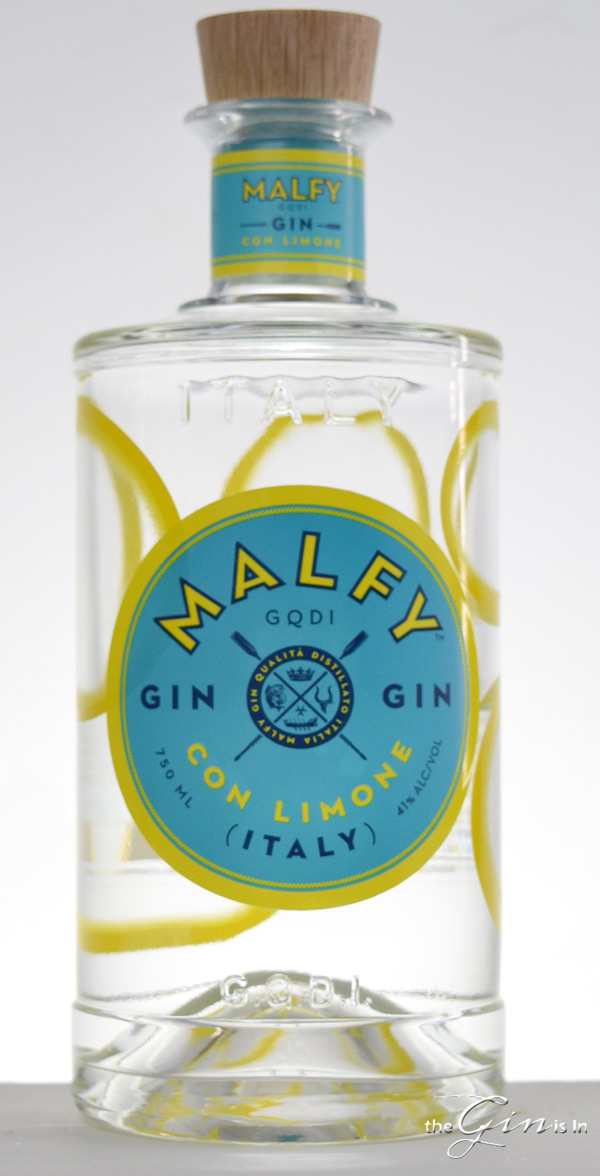
The gin you choose matters enormously in a Martini because there's almost nothing else in the glass. London Dry gins — Tanqueray, Beefeater, Sipsmith — make classic, juniper-forward Martinis. Plymouth produces a softer, rounder drink. Contemporary gins like The Botanist or Monkey 47 create more aromatic, complex Martinis but can clash with certain vermouths.
Higher-proof gins (47% and above) tend to make better Martinis because they maintain their character after dilution from stirring. A 40% gin can taste slightly thin by the time it reaches the glass.
Choosing Your Vermouth
This is where most home Martini-makers go wrong. Vermouth is a wine — it goes off. An open bottle of vermouth left in the cupboard for six months will taste oxidised and flat, and it will ruin your Martini. Once opened, store vermouth in the fridge and use it within four to six weeks. If you don't drink Martinis that often, buy half-bottles.
Dolin Dry is my default — clean, delicate, and widely available. Noilly Prat is fuller and more herbal. For something more adventurous, try Lustau Vermut Blanco — it has a sherry-like quality that adds wonderful depth.
Technique: Stirring
A Martini should be stirred, not shaken. Shaking introduces air bubbles that make the drink cloudy and gives it a different texture — slightly frothy, less silky. Stirring produces a crystal-clear, velvet-smooth cocktail with precise dilution.
Here's the method:
- Chill your glass. Put it in the freezer for at least ten minutes, or fill it with ice and cold water while you prepare the drink.
- Fill a mixing glass or the base of your Boston shaker two-thirds full with ice cubes.
- Pour in the vermouth first, then the gin.
- Using a bar spoon, stir gently but continuously for thirty seconds. The spoon should move smoothly around the inside of the glass, not clatter around like a washing machine.
- Strain into your chilled glass using a Hawthorne strainer or a julep strainer.
Thirty seconds of stirring provides approximately 25% dilution, which is ideal. Under-stirring produces a drink that's too strong and too warm. Over-stirring produces one that's watery. Time yourself until you develop a feel for it.
The Garnish Question
Lemon twist or olive? This is genuinely a matter of personal taste. A lemon twist adds a burst of citrus oil across the surface of the drink, lifting the aromatics. An olive adds a savoury, briny quality. I prefer a lemon twist with London Dry gins and an olive with Plymouth or softer styles, but experiment freely.
For the lemon twist: use a Y-peeler to cut a strip of lemon peel about 5cm long, avoiding the bitter white pith. Hold it over the drink, skin side down, and give it a firm twist to express the oils. You'll see a fine mist of citrus oil spray across the surface. Drop the twist into the drink or discard it — another point of debate I'll leave to you.
Common Mistakes
Using warm glasses. Using stale vermouth. Under-stirring. Using too little ice (which paradoxically leads to more dilution because the ice melts faster). And the biggest mistake of all: not tasting as you go. Make a Martini, sip it, and think about what you'd change. More gin? More vermouth? Different garnish? The Martini is a living document, and finding your version is half the pleasure.