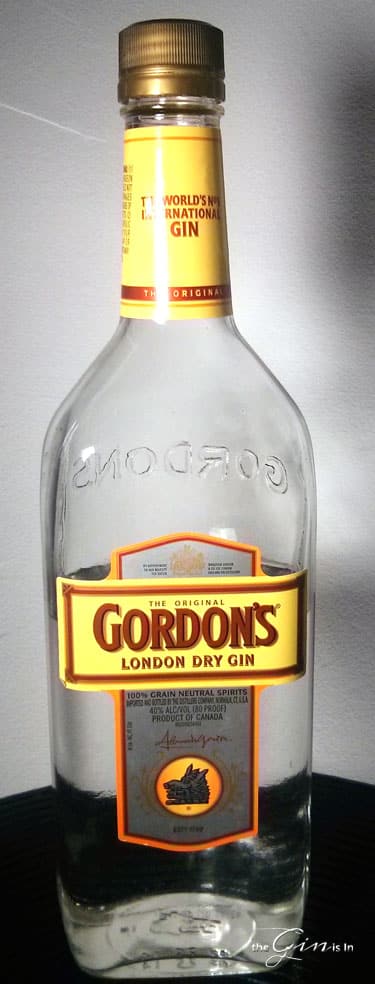

I have made more gin and tonics than I can count. Thousands. Possibly tens of thousands. And the thing that strikes me, every time, is how few people make them well at home. The G&T is the simplest great drink in the world — just two ingredients, ice, and a garnish — and yet the gap between a mediocre one and a brilliant one is enormous.
This guide is everything I know about making a perfect G&T, distilled (if you will forgive the pun) into practical advice you can use tonight.
Start with Temperature
This is the single most important piece of advice I can give you, and it is the one most people ignore: everything must be cold.
Your gin should be stored in the freezer. Your tonic should be in the fridge. Your glass should be chilled (pop it in the freezer for five minutes, or fill it with ice water while you prep). And your ice should be plentiful and straight from the freezer — not sitting in a bowl on the counter slowly melting.
A warm G&T is a sad G&T. Temperature affects carbonation, dilution rate, and flavour perception. Get this right and everything else follows.
The Ice
Use more ice than you think you need. I mean it. Fill the glass completely. A common mistake is using two or three ice cubes and then wondering why the drink is lukewarm and watery after three minutes. Physics is not on your side with a small amount of ice — it melts faster, dilutes the drink, and loses its chill.
A glass packed with ice keeps the drink colder for longer and actually results in less dilution, because the ice melts more slowly when there is more of it. Use standard cubes from a tray or bag. Crushed ice melts too fast for a G&T.
The Glass
You have two good options:
The copa glass (balloon glass): This is the Spanish approach, and it is wonderful. The wide bowl holds plenty of ice and allows the aromatics to collect in the space above the drink. If you have ever had a G&T in Spain, this is why it tasted so good — it was not just the holiday, it was the glass.
The highball glass: The classic British choice. Tall, narrow, and elegant. It keeps the drink colder (less surface area exposed to air) and maintains the carbonation better. I use highballs at home and copas when I am feeling theatrical.
What you should not use: a tumbler, a wine glass, a pint glass, or a mug. I have seen all of these. Please do not.
The Ratio
This is where personal preference comes in, but here are the guidelines I use:
- 1:2 (gin to tonic) — a strong G&T that lets the gin do the talking. Best with premium gins at 40-43% ABV. This is my default at home.
- 1:3 — the standard bar pour. Balanced, refreshing, and works with almost any gin. If you are serving guests who are not gin enthusiasts, this is safe territory.
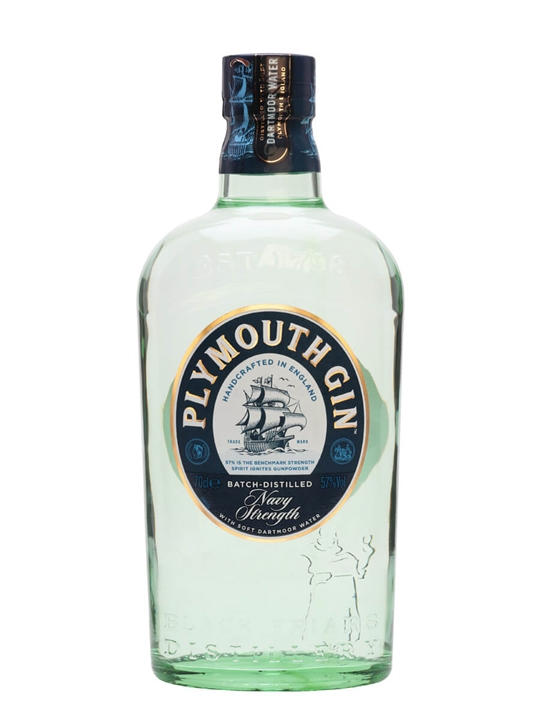
- 1:1.5 — for Navy Strength gins (57% ABV) or when you want a more gin-forward drink. Use this ratio with caution and good intentions.
A standard single measure in the UK is 25ml, a double is 50ml. I always make doubles at home, because life is short and the gin is good. With a 50ml pour and a 1:2 ratio, you are looking at about 100ml of tonic — roughly half a 200ml bottle or can.
The Tonic
I cannot stress this enough: the tonic is more than half the drink. It is the majority ingredient. Using a cheap, overly sweet, artificially flavoured tonic is like buying a beautiful piece of fish and frying it in margarine. Do not do it.
Here are the tonics I recommend and why:
- Fever-Tree Indian Tonic Water — the industry standard for a reason. Clean quinine bitterness, natural flavours, and a dry finish that lets the gin shine. This is my house tonic.
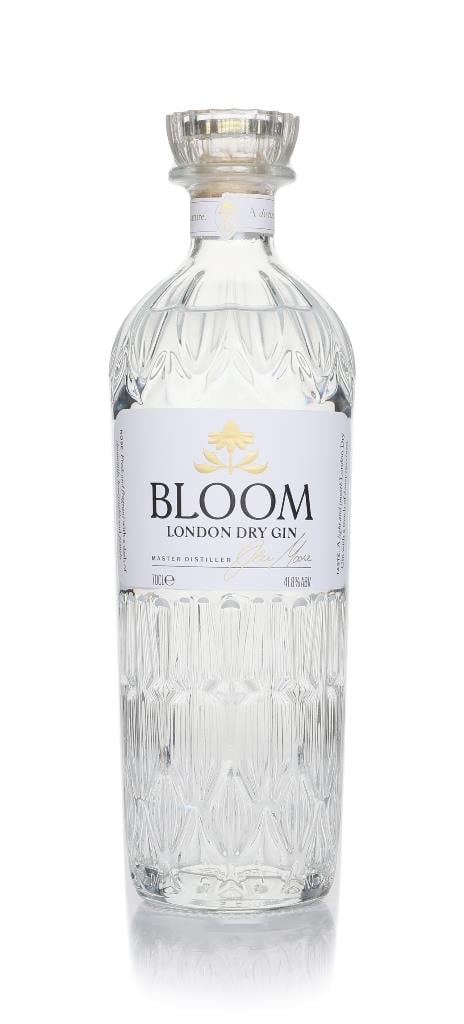
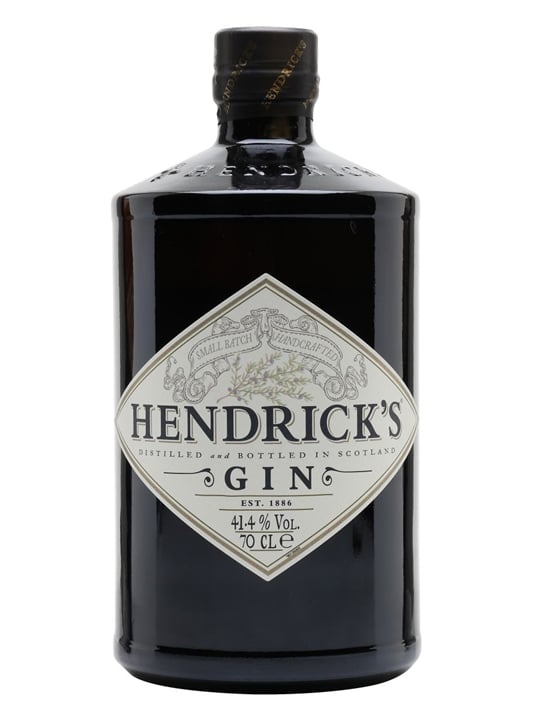
- Fever-Tree Mediterranean — slightly softer, with herbal and floral notes. Excellent with floral or herbaceous gins like Hendrick's or Bloom.
- East Imperial Burma Tonic — drier and more bitter than Fever-Tree, with a pronounced quinine character. Brilliant with juniper-heavy London Drys.
- Schweppes 1783 — a solid mid-range option. Lighter quinine than Fever-Tree but clean and well-made.
- London Essence — very light, with subtle flavour. Good if you want the tonic to be a supporting actor rather than a co-star.
Use small bottles or cans (150-200ml) rather than large bottles. Once tonic is opened, it loses carbonation rapidly. Flat tonic is the enemy.
The Build
Here is the method I use, step by step:
- Fill your glass with ice. All the way to the top.
- Pour the gin over the ice. Let it chill for a moment — five or ten seconds is enough.
- Tilt the glass slightly and pour the tonic down the side. This preserves the carbonation far better than pouring it straight in from a height. Treat the tonic gently. It has been through a lot to maintain those bubbles — the least you can do is not bash them out on arrival.
- Give it one gentle stir. Just one. A single, slow, bottom-to-top stir to integrate the gin and tonic without destroying the fizz. Do not stir it like you are mixing paint.
- Add your garnish. (See below.)
- Serve immediately.
The Garnish
A garnish is not decoration. It is the final seasoning of your drink, and it should complement the botanicals in the gin. Here are my pairings:
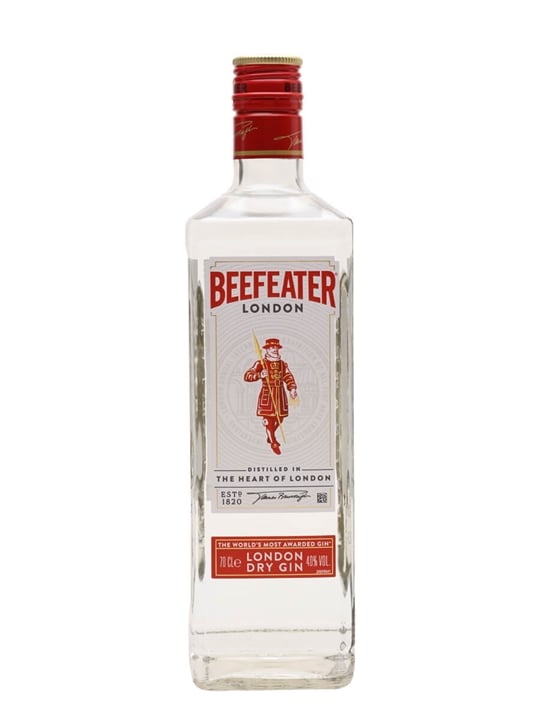
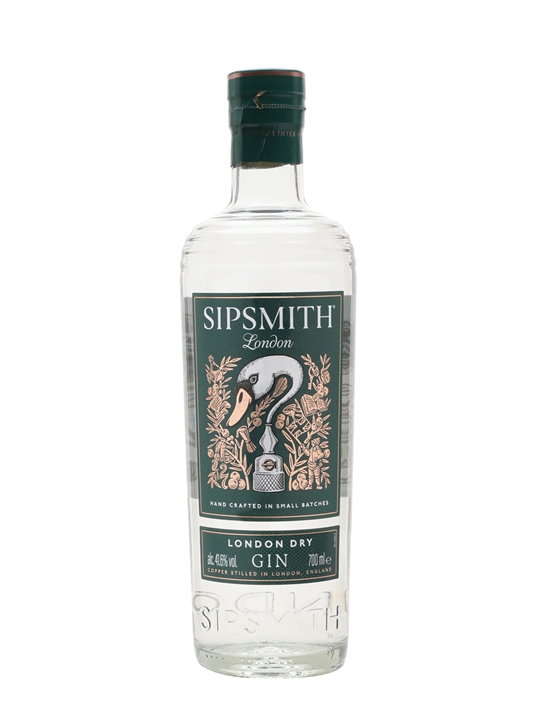
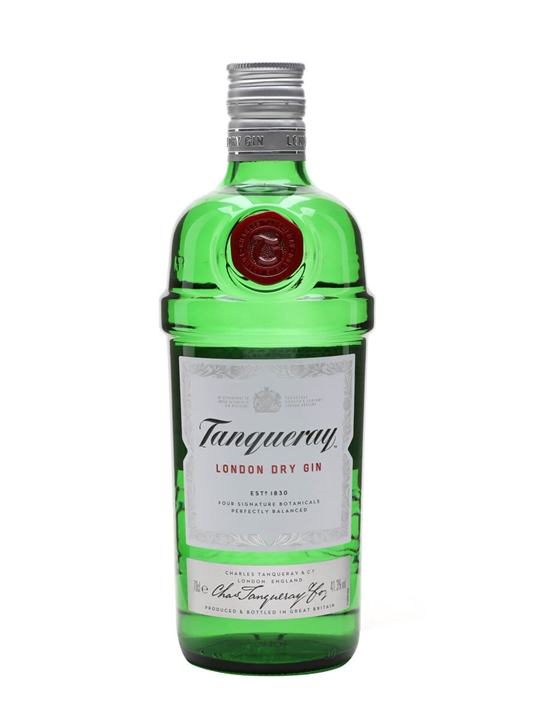
- London Dry (Beefeater, Tanqueray, Sipsmith): A strip of lemon peel. Twist it over the glass to express the oils, then drop it in. Simple, classic, perfect.
- Hendrick's: Cucumber. Thin slices or a long ribbon. This is not negotiable — the gin was literally designed for it.
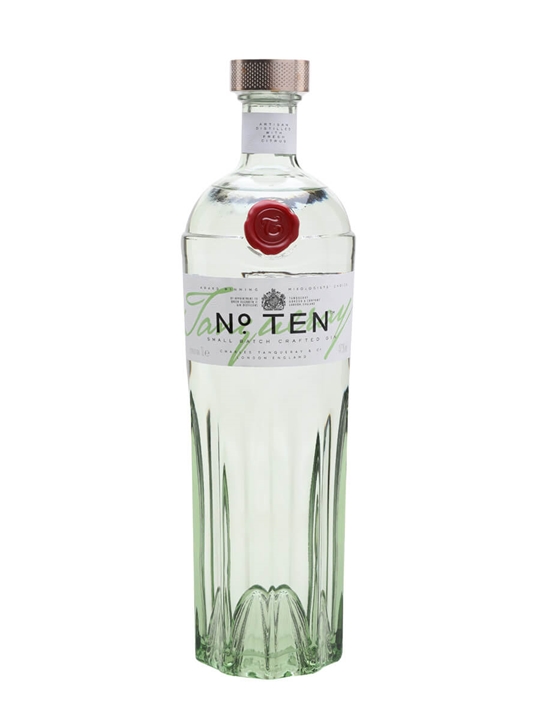
- Citrus-forward gins (No. Ten, Malfy): A wedge or wheel of pink grapefruit or blood orange.
- Floral gins (Bloom, Whitley Neill Rhubarb): A sprig of rosemary or thyme, lightly pressed to release the oils.
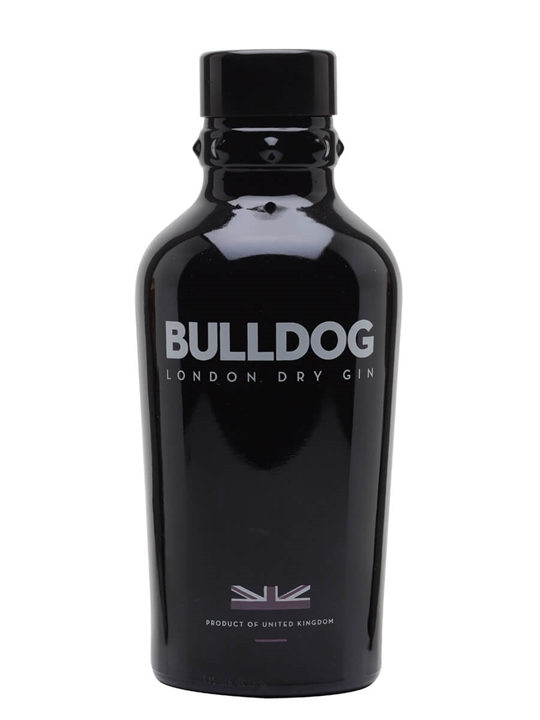
- Spice-forward gins (Opihr, Bulldog): A slice of fresh ginger or a star anise pod.
- Navy Strength (Plymouth, Tarquin's): Lime wedge, squeezed and dropped in. The extra citric acid cuts through the higher alcohol beautifully.
Avoid using lime with everything — it works in some cases but its acidity can overwhelm delicate gins. And please, no fruit salad. One or two garnish elements is enough. You are making a drink, not a compote.
Common Mistakes
After years of watching people make G&Ts (and diplomatically not intervening), here are the most frequent errors I see:
- Not enough ice. I have said it already. I will say it again. More ice.
- Warm tonic. Fridge. Always.
- Using old, flat tonic. If you opened that bottle yesterday, pour it down the sink. Use a fresh one.
- Over-stirring. One stir. That is it.
- Wrong glass. A copa or highball. Not a coffee mug.
- Ignoring the garnish. Five seconds of effort makes a meaningful difference to the finished drink.
- Cheap tonic. I will not labour this point further. You know what to do.
Variations Worth Trying
Once you have mastered the classic, here are a few riffs I enjoy:
The Spanish G&T (gin-tonica): Copa glass, lots of ice, a generous pour, and an elaborate garnish — herbs, citrus wheels, peppercorns, even a cinnamon stick. The Spanish treat the G&T as a serious cocktail, and they are right to.
The Pink Grapefruit G&T: Use Tanqueray No. Ten with Fever-Tree Mediterranean tonic and a thick wedge of pink grapefruit. This is my summer drink.
The Winter G&T: Use a spice-forward gin like Opihr, add Fever-Tree Indian, and garnish with a slice of orange and a cinnamon stick. Warming, aromatic, and festive without being silly about it.
The Bottom Line
A perfect gin and tonic requires no special equipment, no bartending qualifications, and about ninety seconds of your time. What it does require is good ingredients, the right temperature, and a small amount of care. Get those three things right, and you will make a better G&T than most bars.
Now go and make one. You have earned it.