
The Negroni is, on paper, the simplest cocktail in the world: equal parts gin, Campari, and sweet vermouth, stirred with ice and served over a large cube with an orange peel. Three ingredients. No shaking, no straining, no elaborate garnish. A child could make one. And yet the Negroni is also, to my mind, the most demanding test of a gin's character — because Campari is a bully. It is a magnificent, bitter, red-orange bully, and if your gin cannot stand up to it, the drink becomes a Campari cocktail with a faint botanical afterthought.
I set out to test twelve gins in the Negroni format, holding the Campari (standard) and vermouth (Cocchi di Torino, because life is too short for Martini Rosso) constant, and varying only the gin. The results were illuminating.
The Methodology
Each Negroni was built to the classic 1:1:1 ratio — 30ml gin, 30ml Campari, 30ml Cocchi di Torino — stirred with ice for precisely thirty seconds, strained over a single large ice cube, and garnished with a fresh orange peel expressed over the surface. I tasted them blind, which is to say my wife numbered the glasses while I was in another room, and I worked through them over the course of an evening, with water and plain crackers between each tasting.
The Results
The Winners
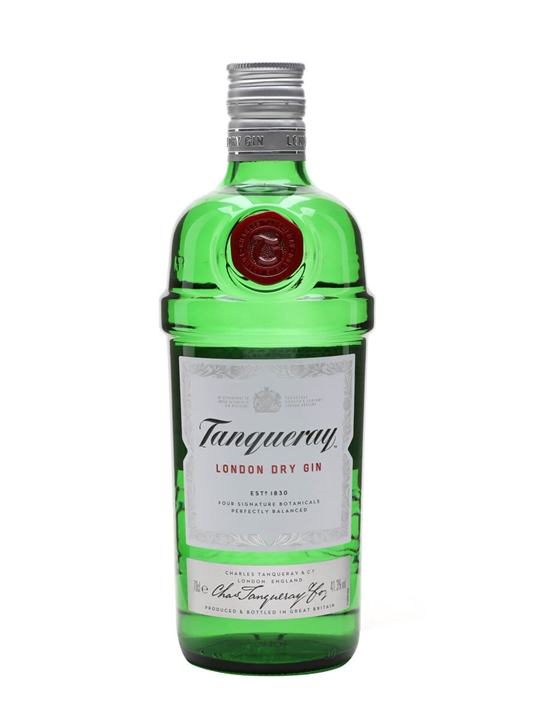
Tanqueray London Dry — the standout performer. At 47.3% ABV, Tanqueray has the strength and the juniper intensity to cut through Campari's bitterness like a blade. The four-botanical simplicity works brilliantly here: juniper meets bitter orange meets sweet vermouth, and nothing gets in the way. This is the Negroni gin, full stop.
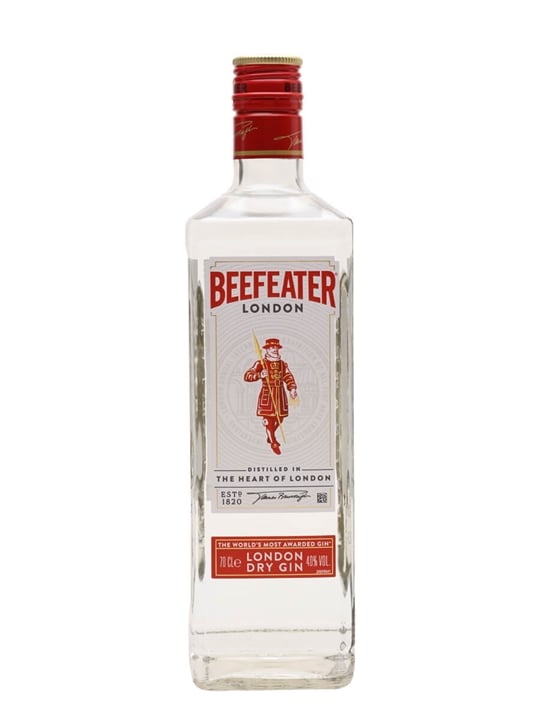
Beefeater London Dry — a surprise in second place, given its lower ABV (40%). But Beefeater's broader botanical bill — particularly the Seville orange peel and the almond — adds a layer of complexity that complements the Campari rather than competing with it. The result is a rounder, more nuanced Negroni, less aggressive than the Tanqueray version but equally satisfying.
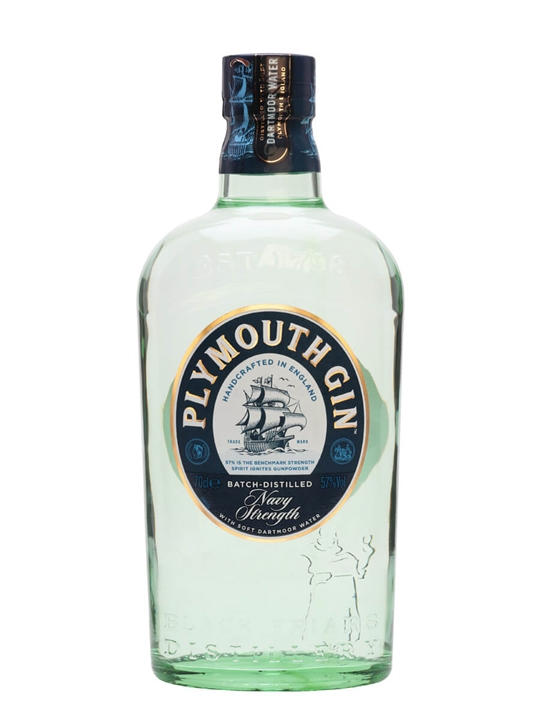
Plymouth Navy Strength — at 57% ABV, this was almost too powerful, but the extra proof carries the Plymouth's soft, earthy character through the Campari with remarkable clarity. The cardamom note, which can be subtle in a G&T, becomes vivid and spice-market-aromatic in a Negroni. A magnificent drink, but not for the faint-hearted.
The Strong Performers
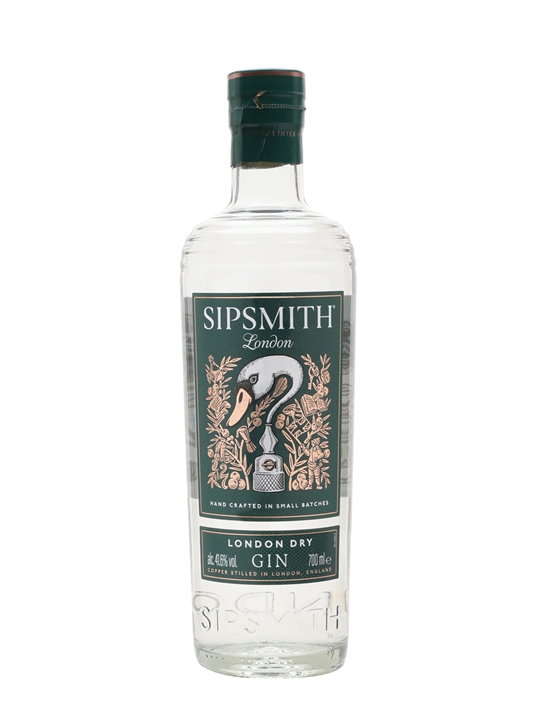
Sipsmith London Dry — floral and elegant, with enough juniper backbone to hold its own. The cinnamon and cassia notes marry beautifully with the sweet vermouth. A refined, slightly sophisticated Negroni.
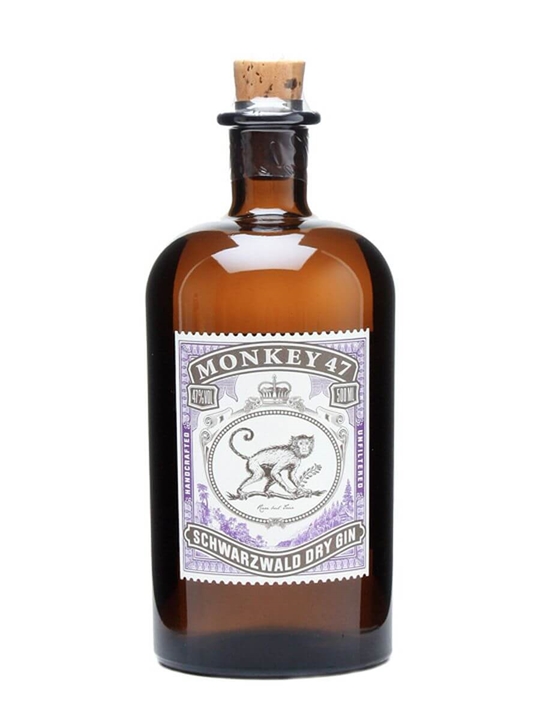
Monkey 47 — the wild card. Its forty-seven botanicals create a Negroni of staggering complexity — almost too much to process in a single sip. Fascinating to taste, but slightly chaotic. Some will love this; others will find it overwhelming.
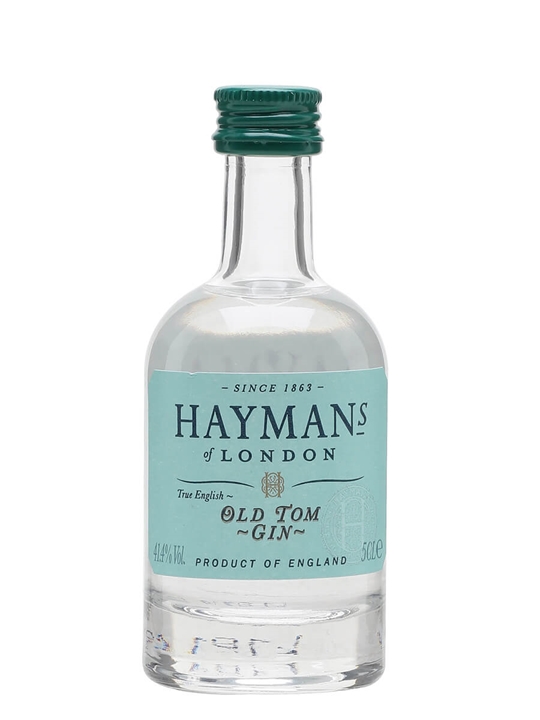
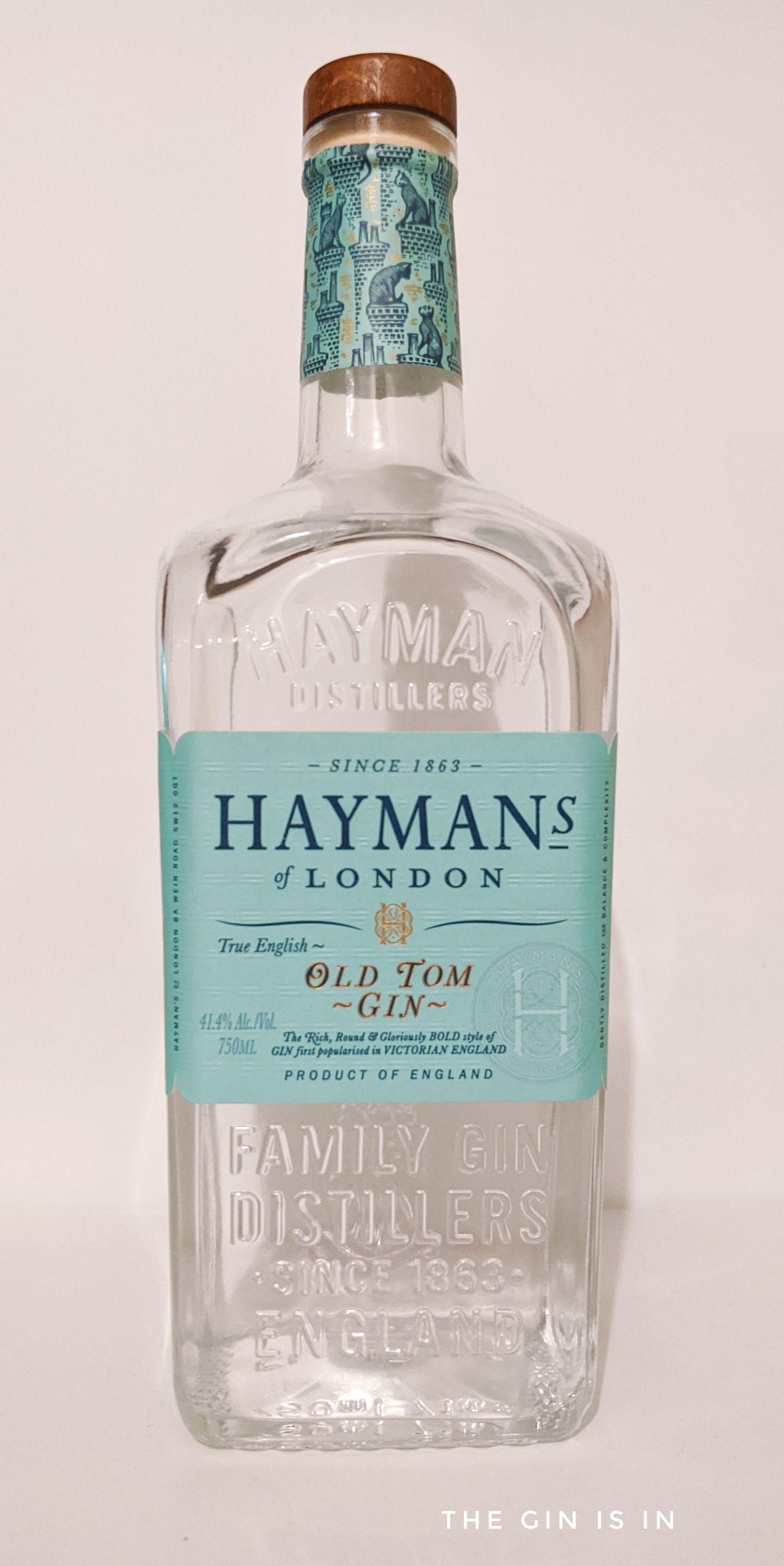
Hayman's London Dry — a steady, reliable performer. Classic juniper and citrus, with nothing out of place. If Tanqueray is the Ferrari, Hayman's is the well-tuned Audi — less thrilling, perhaps, but beautifully engineered.
The Middle Ground
Citadelle — this French gin's nineteen botanicals give it a complex, spice-driven character that works respectably in a Negroni, though the anise note can feel slightly discordant. Interesting rather than essential.
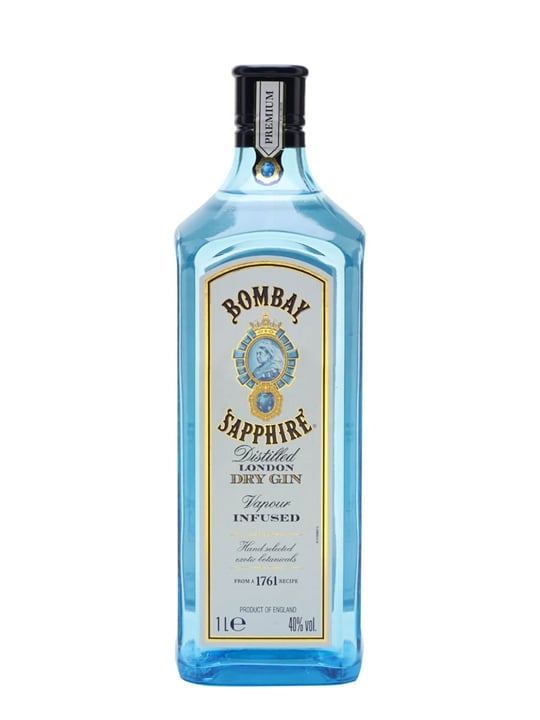
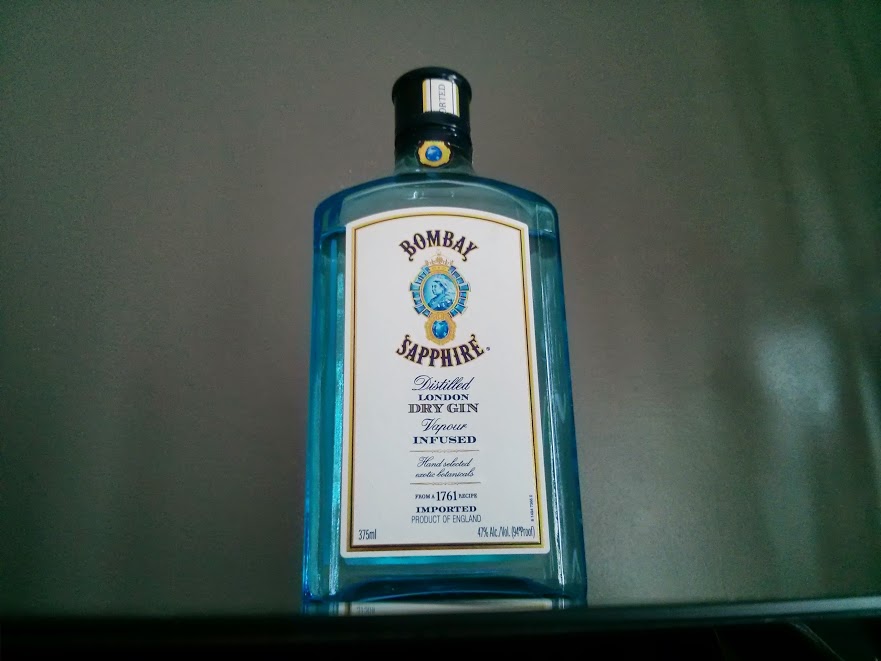
Bombay Sapphire — Sapphire's lighter, more delicate character is both its strength and its weakness here. The Negroni is pleasant and well-balanced, but the gin's subtlety means Campari dominates the conversation. A perfectly acceptable Negroni, but not a memorable one.
The Disappointments
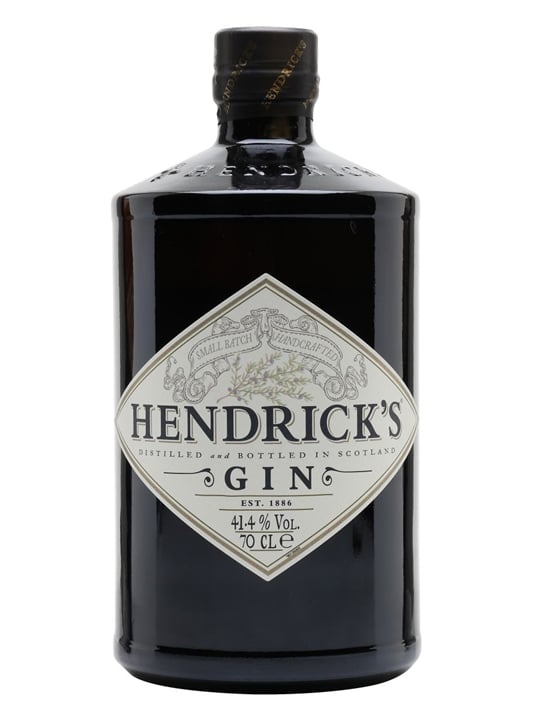
Hendrick's — and this pains me, because I love Hendrick's. But its gentle, cucumber-and-rose character is simply overwhelmed by Campari. The gin effectively disappears, leaving a drink that tastes of bitter orange, sweet vermouth, and a vague floral whisper. Save Hendrick's for the G&T where it belongs.
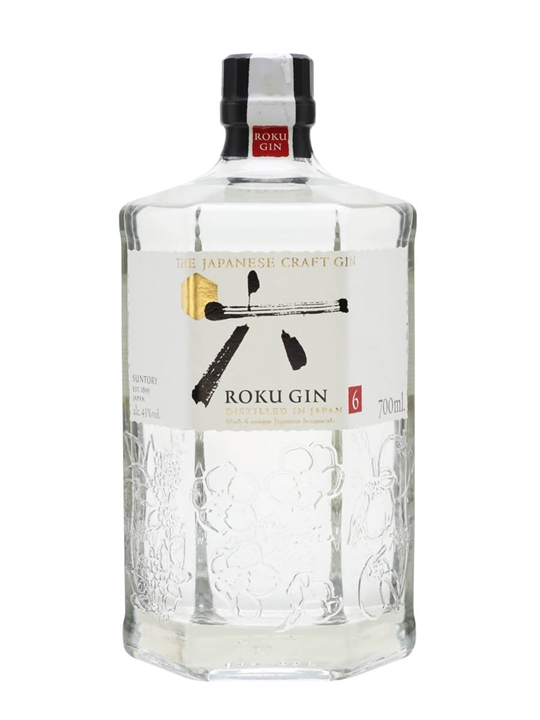
Roku — the Japanese botanicals, which are so beautiful in a G&T, are bulldozed by Campari's intensity. The yuzu and cherry blossom never had a chance.
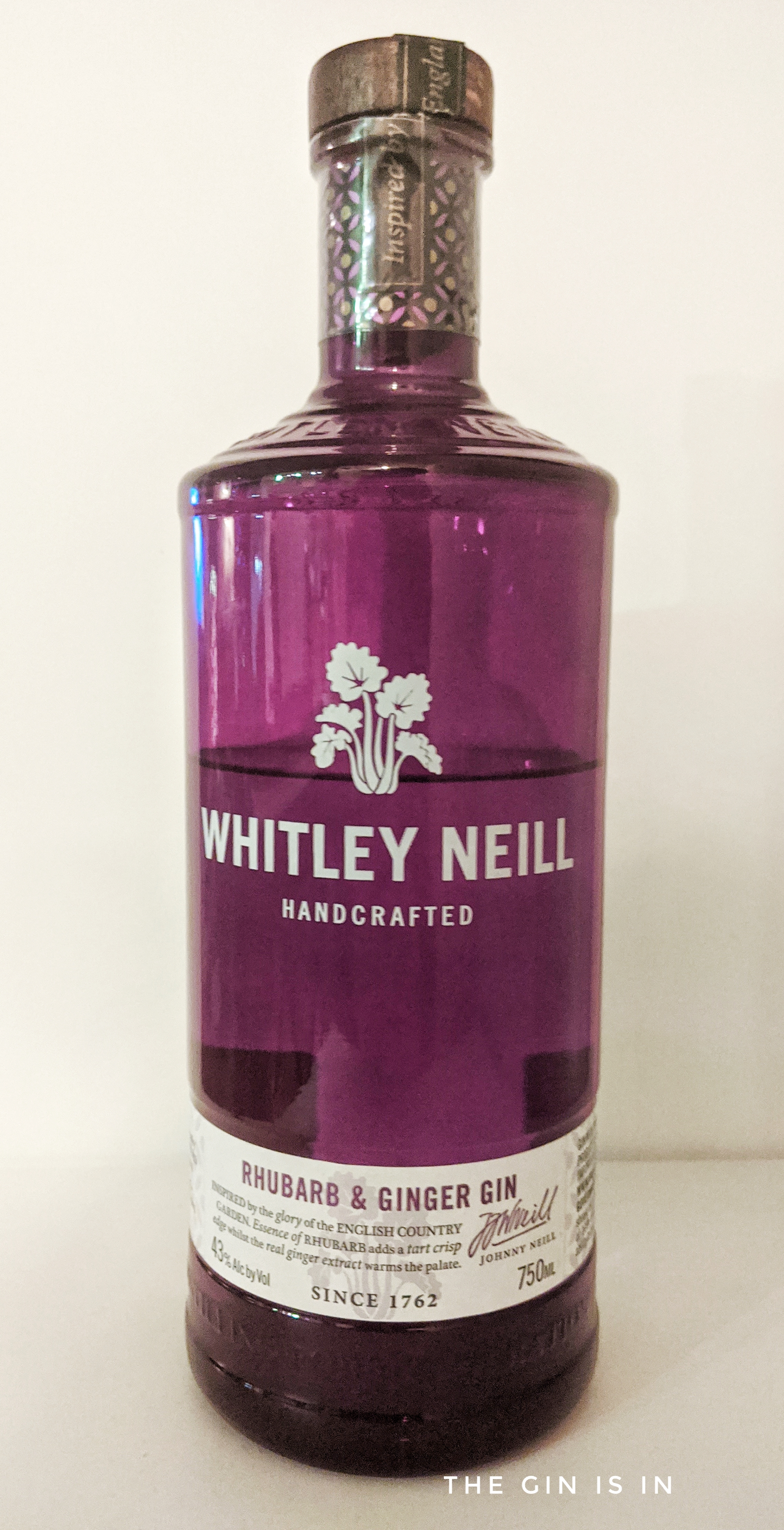
Whitley Neill Blood Orange — the orange flavouring competes directly with Campari's bitter orange, creating a muddled, confused flavour profile. Two sources of orange in one drink is one too many.
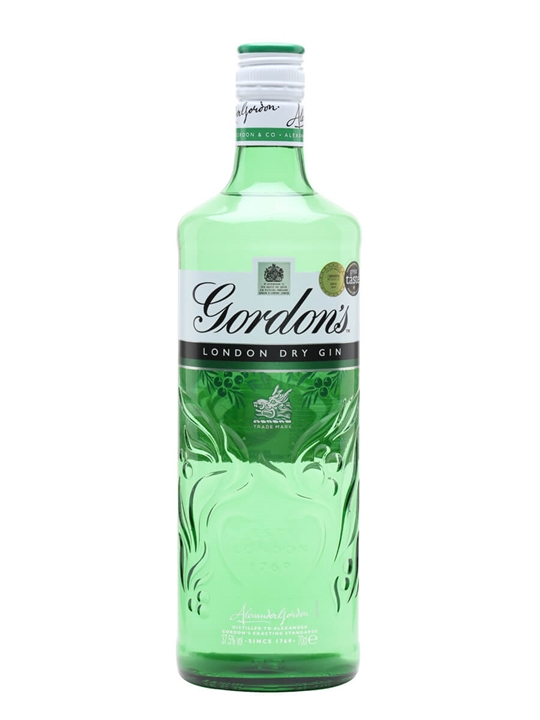
Gordon's — at 37.5% ABV, Gordon's simply lacks the proof to make an impact. The Negroni tastes of Campari, vermouth, and alcohol, in that order. The gin is a ghost.
The Lessons
Three factors determine whether a gin succeeds in a Negroni:
- ABV matters. Gins at 43% and above consistently outperformed those at 40% or below. The higher proof carries botanical flavours through the Campari barrier.
- Juniper intensity matters. This is not the cocktail for subtle, floral, or cucumber-forward gins. The Negroni demands a gin with a strong juniper backbone and the confidence to use it.
- Simplicity helps. The most complex gins (Monkey 47, Citadelle) produced interesting but slightly chaotic results. The cleaner, more focused gins (Tanqueray, Beefeater, Plymouth) let each element of the cocktail do its job.
If you take nothing else from this exercise, take this: your next Negroni should be made with Tanqueray. Your palate will thank you. Your evening will improve. And the black cat on the Campari bottle will, if you look closely enough, appear to be smiling.